
AI Quiz Lead Magnets for Coaches: Convert 40%+ of Visitors into Qualified Leads
AI quiz lead magnets convert 40–45% of visitors into qualified leads for coaches and consultants. That’s 3 to 4 times higher than traditional PDFs. These interactive quizzes create personalized experiences that let prospects self-qualify before they enter your sales funnel. Be Known, LLC, based in Knoxville, TN, builds AI quiz lead magnets for coaches across the United States. These tools cut cost-per-lead while giving you better data on who your prospects are.

↳ Choosing the Right Quiz Type
↳ Building High-Converting Quizzes
↳ Integrating Quizzes into Paid Campaigns
↳ AI Quiz Platforms and Tools
↳ Measuring ROI
Why AI Quiz Lead Magnets Outperform Traditional Downloads for Coaches
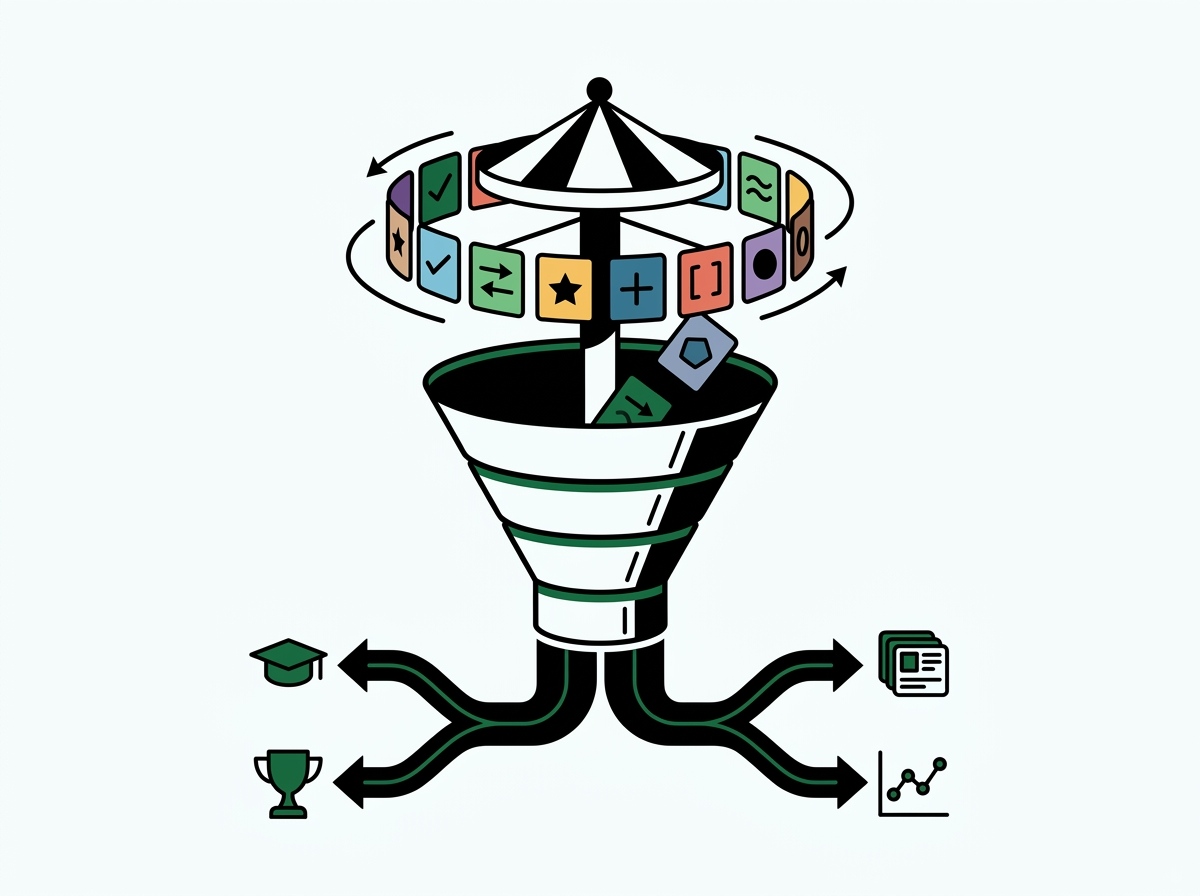
Interactive quizzes have changed how coaches buy traffic. Be Known, LLC has deployed AI quiz lead magnets for coaches nationwide from our Knoxville, TN headquarters. We see conversion rates that static PDFs can’t match.
Traditional lead magnets like ebooks and checklists convert at 10–15%. AI quiz lead magnets hit 40–45% conversion. That means four out of every ten people who finish your quiz give you their email. This isn’t a small bump. It’s a complete change in how much you spend on ads and how much revenue you get per visitor.
The 3–4x Conversion Advantage: What the Data Shows for Coaching Funnels
Interact’s 2024 benchmark report shows quizzes get an average 40.1% conversion rate. B2B coaching and consulting segments perform at the higher end. When you compare this to 12–15% for traditional lead magnets, the math is clear. You need 70% fewer clicks to hit your monthly lead goals.
Here’s what that looks like in real numbers. If you need 100 qualified leads per month and your PDF converts at 12%, you need 834 clicks. At $5 CPC, that’s $4,170 in ad spend. With a quiz converting at 42%, you need just 238 clicks. That’s $1,190 in ad spend. You save $2,980 per month or get 250% more leads at the same budget.
But conversion rate is only part of the story. Quiz completers are higher-quality prospects. They’ve spent 3–5 minutes answering questions about their challenges and goals. This filters tire-kickers from sales-ready leads before they use your team’s time.
How Quiz Data Improves Paid Campaign Targeting and Reduces CPA
Every quiz response gives you first-party data that PDFs can’t. When someone downloads your guide, you know they’re interested. When someone finishes your quiz, you know their current revenue, their biggest obstacle, whether they have systems, and their timeline.
This data changes your paid acquisition for coaches and consultants in three ways. First, it lets you segment emails better. Someone struggling with client acquisition gets different emails than someone ready to scale. Second, quiz data builds focused lookalike audiences in Facebook and LinkedIn. Third, you can exclude quiz-takers who scored “not ready” from expensive retargeting.
Research from LanderLab shows that lead generation quizzes capture more leads and give you behavioral data that makes follow-up work better.
AI tools have removed the main barrier to quiz use. Building quizzes used to take 3–5 days. Modern AI quiz builders like Interact AI and ScoreApp create complete quizzes from a single prompt in 5–15 minutes. This speed lets you test multiple quiz angles within a single campaign launch.
Choosing the Right Quiz Type for Your Coaching Business Model
Not all quizzes work the same for coaching businesses. Your quiz format must match your service model, sales cycle, and ideal client. A personality quiz that works for a life coach won’t work for an operations consultant selling $50,000 programs.
Four quiz types serve coaching businesses best. Assessment quizzes diagnose problems. Personality quizzes reveal character traits. Value-based quizzes segment by priorities. Outcome quizzes deliver custom roadmaps. Each serves different goals in your funnel and attracts prospects at different buying stages.
B2B vs. B2C Quiz Frameworks: Matching Format to Your Ideal Client Journey
Assessment quizzes work best for B2B consultants with high-ticket sales. These quizzes show your expertise while finding specific business problems. Examples include Revenue Readiness Assessment, Leadership Gap Diagnostic, or Sales Process Audit. These formats attract decision-makers who need solutions, not entertainment.
Assessment quizzes should give a scored outcome. Either 0–100 or tiered categories like Foundation Stage, Growth Stage, Scale Stage. This scoring does two things. It shows the problem’s size and it segments leads by readiness, so you can personalize follow-up.
Personality quizzes work for B2C coaches selling transformation programs. What’s Your Leadership Style or Which Growth Archetype Are You quizzes create immediate connection. These work when your coaching includes known personality frameworks that prospects want to discover.
Value-based quizzes segment by priorities rather than personality. A quiz asking prospects to rank speed, support, flexibility, and cost shows which prospects fit your model. If you’re a premium coach who offers white-glove support, you want leads who ranked thoroughness highly.
How Assessment Quizzes Pre-Qualify Enterprise Consulting Leads
Outcome quizzes deliver something useful right away. A personalized roadmap or action plan based on answers, before you ask for contact info. This give-first approach builds trust with cold traffic. Titles like Build Your Custom Client Acquisition Plan show what this looks like.
The advantage of outcome quizzes for paid campaigns is trust. Cold traffic from Facebook or LinkedIn hasn’t been warmed up. When you give value before asking for anything, you overcome the doubt that kills conversion on typical landing pages.
For coaches serving nationwide clients from Knoxville, TN, Be Known usually recommends assessment quizzes for B2B offers above $5,000 and outcome quizzes for B2C offers. The format should match your sales process. If you need a discovery call to close, use an assessment. If you’re selling a $997 course, an outcome quiz becomes your main sales tool.
Building High-Converting AI Quizzes: The 5-Element Framework
Converting 40%+ of quiz completers into subscribers takes more than good questions. The structural pieces decide whether prospects finish, opt in, and stay engaged. These five elements make the difference.
Element 1: Solve a specific, painful problem in your quiz promise. “Find Your Exact Client Acquisition Blocker in 3 Minutes” beats “Discover Your Business Personality” by 3–4x for B2B coaches. Your headline should reference the transformation your ideal client needs. Vague promises attract curiosity but not buying intent.
Element 2: Use 7–12 questions maximum. Research from Marquiz shows that every question after 12 drops completion by 5–8%. Your goal isn’t deep profiling. It’s collecting enough info to personalize results and segment follow-up. Focus on decision criteria, current situation, main obstacles, and desired outcomes.
The ‘Partial Results’ Strategy: Show Value Before Capturing Contact Information
Element 3: Show personalized results BEFORE asking for email. This is the biggest structural decision in quiz design, yet most coaches get it wrong. Making prospects give email mid-quiz or before seeing results creates a barrier. Why should I give you my email when I don’t know if this quiz works?
The partial results strategy solves this. Show basic results right away with no form. Their category, score, or main finding. Then gate the detailed action plan behind email opt-in. This builds trust and shows value before asking for anything. It increases opt-in by 25–40% compared to mid-quiz gates.
For example, a Revenue Readiness Assessment might show “You scored 42/100 – Growth Stage” right away, with 2–3 sentences explaining what that means. Below that, place your opt-in form with copy like “Get your personalized 90-day roadmap with specific steps for moving from Growth Stage to Scale Stage.” Prospects now understand the value they get for their email.
Question Sequencing That Increases Completion and Reduces Paid Traffic Waste
Element 4: Gate the full roadmap after showing partial results. What you gate matters as much as when. Prospects will give email for something they see as high-value and actionable. A numerical score alone isn’t high-value. A personalized PDF report with next steps is. A video explanation is. A custom walkthrough is.
The gated element should need your expertise. Something AI alone couldn’t create. This shows your knowledge and reinforces the value of paid services. If your result feels generic, prospects question whether your services deliver personalized value.
Element 5: Connect results with email platforms to trigger segmented follow-up. Most AI quiz platforms work with ActiveCampaign, HubSpot, Mailchimp, and ConvertKit. They pass quiz answers as custom fields or tags. Use this to trigger segmented email sequences. Someone who scored “Struggling with Client Acquisition” gets different content than “Ready to Scale Operations.”
Reference their quiz outcome in email subject lines. “Sarah, here’s how to move from 42/100 to 75+ in 90 days” performs 15–30% better than generic subject lines. This shows you remember their situation and give tailored guidance, not batch marketing.
Integrating AI Quiz Lead Magnets into Paid Acquisition Campaigns
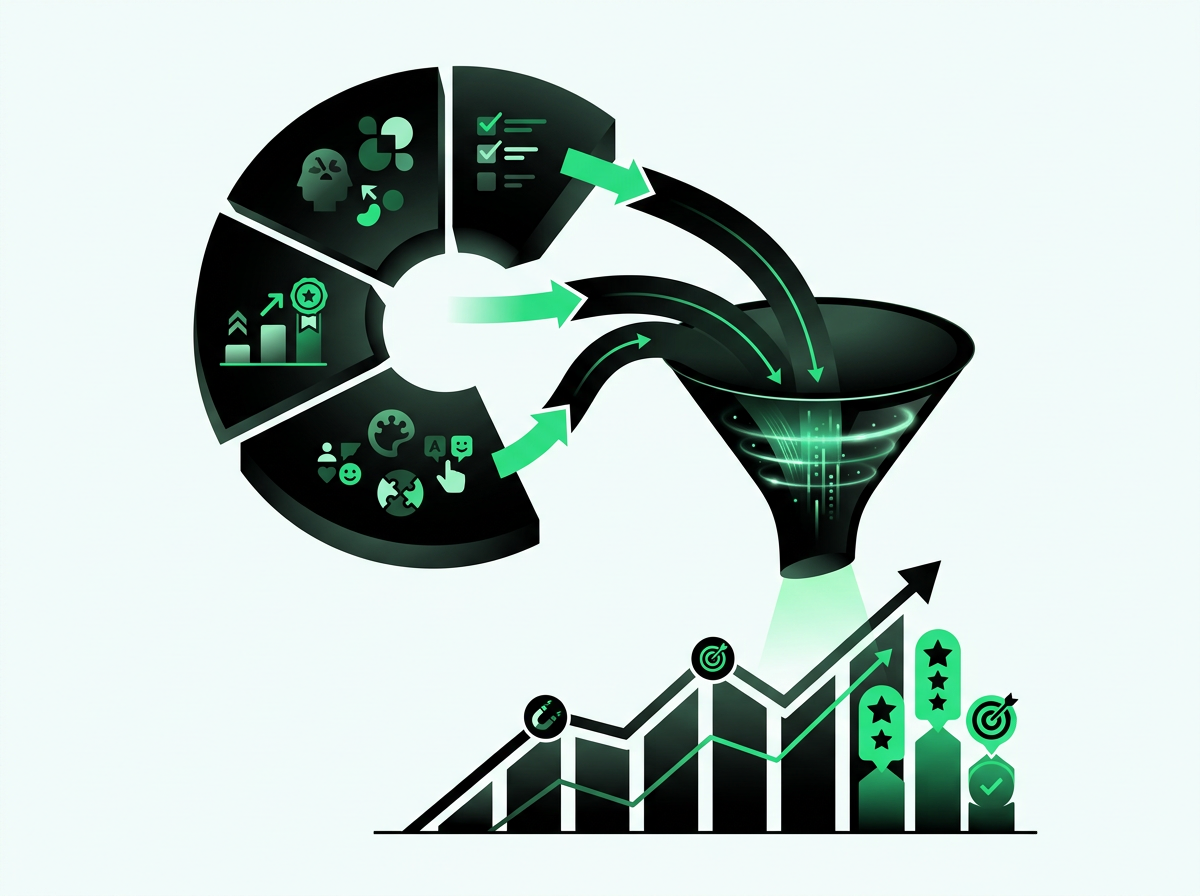
Quiz lead magnets don’t exist alone. They’re conversion tools within your paid strategy. How you position quizzes in ad creative, build post-quiz retargeting, and use quiz data decides whether your 40%+ conversion rate turns into efficient customer acquisition.
Quiz-focused ad creative gets 2–3x higher click-through than “Download Our Guide” on cold traffic. Why? Because “Take the 2-Minute Assessment” promises immediate, personalized insight. Your ad should emphasize the diagnostic nature of the quiz. “Find out what’s blocking your revenue growth” or “Discover which of 4 scaling paths fits your business.”
Visual creative for quiz ads works best when it shows the quiz interface or results page. Screenshots of score graphics or category badges signal that this isn’t a traditional lead magnet. It’s an interactive tool that gives customized insight.
How Be Known Uses Quiz Segmentation Data to Optimize Ad Targeting for Coaches Nationwide
At Be Known, serving coaches across the United States from Knoxville, TN, we build paid acquisition campaigns around quiz segment data. After launch, we analyze which quiz outcomes connect with booked calls and closed sales. If “Leadership Gap” quiz-takers book calls at 3x the rate of “Time Management” quiz-takers, we create lookalike audiences from the high-converting segment only.
This segment-based audience building improves ad efficiency. Facebook and LinkedIn learn from prospects who actually buy, not just anyone who finished your quiz. You’re training the algorithm on qualified leads.
Retargeting quiz-takers who didn’t finish recovers 20–30% more leads. Build audiences for prospects who started but left your quiz and serve them ads about common barriers. “Takes just 2 more minutes to get your personalized roadmap” or “Sarah, your Revenue Readiness score is ready.”
For quiz completers who viewed results but didn’t give email, retargeting ads should reference their quiz category if your tracking allows. “Growth Stage business owners: here’s your complete scaling roadmap” performs better because it shows you remember their situation.
Retargeting Strategies for Incomplete Quiz-Takers: Recovering 20–30% More Leads
A/B test quiz titles and outcome frameworks as your primary variable, not just ad creative. Most coaches obsess over ad copy while leaving their quiz unchanged for months. In reality, quiz positioning impacts qualified lead percentage more than ad design. Test “Revenue Readiness Assessment” against “Growth Blocker Diagnostic” with identical ads to see which quiz frame resonates.
Test outcome frameworks too. Does your audience respond better to numerical scores (0–100), tiered categories (Foundation/Growth/Scale), or archetype names (The Builder, The Optimizer, The Scaler)? This isn’t about preference. It’s about which framework your clients find most valuable and share most readily.
Track cost-per-qualified-lead (CPQL), not just cost-per-lead. Quizzes may generate more leads at lower cost, but if those leads don’t book calls, you’ve focused on the wrong metric. Define what “qualified” means for your business and measure quiz performance against that. Some quiz angles will generate 2x the leads at 3x the CPQL, making them less efficient despite better top numbers.
AI Quiz Platforms and Tools: What Coaches Need to Know
Picking the right AI quiz platform decides how fast you can launch, how well quiz data works with your tech stack, and whether you can personalize results at the level your clients expect. Platform capabilities vary a lot. Choosing based on feature lists often creates problems that limit campaign performance.
AI-powered quiz builders have changed the timeline. Interact’s AI quiz maker creates complete quiz funnels from a single prompt. It suggests questions, branching logic, outcome categories, and result copy in under 10 minutes. You input your coaching niche and ideal client problem. The AI suggests a quiz framework that shows your expertise while finding prospect pain points.
ScoreApp’s AI Scorecard Builder also automates quiz creation but focuses on scored assessments. This makes it good for B2B consultants who need numerical benchmarking. Marquiz offers no-code quiz building with strong conditional logic, letting you create complex branching without developer help.
Interact vs. ScoreApp vs. Marquiz: Integration Comparison for Coach Tech Stacks
Platform selection should focus on how well it works with the tools you already use. The best quiz platform is the one that passes data smoothly to your existing systems. If you run your business on HubSpot, pick platforms with native HubSpot connection that maps quiz responses without Zapier. If you use ActiveCampaign, check that quiz answers populate as tags that trigger automations.
Here’s what to check when comparing platforms:
- CRM connection depth: Does quiz data flow automatically as tagged contacts, or does it need manual export? Can quiz segment info trigger automation right away, or is there delay?
- Email platform connection: Which ESPs have native links? How are quiz responses passed? As custom fields, tags, or in email body? Can you segment lists based on quiz outcomes without manual tagging?
- Dynamic result pages: Can you customize result messaging based on specific answer combos, or are you stuck with preset buckets? The more personalization, the higher your perceived value.
- Retargeting pixel support: Can you fire Facebook, LinkedIn, or Google pixels based on quiz completion, specific outcomes, or email opt-in? This lets you build sophisticated audiences for paid campaigns.
- Webhook and API access: For coaches with custom CRMs, webhook support lets you work with any platform that accepts HTTP posts.
Pricing usually ranges from $29–$199/month. Check based on lead volume projections, not current list size. If you’re running paid campaigns, you’ll scale lead generation quickly. A platform that seems expensive at 500 leads per month becomes cost-effective at 2,000 leads. Calculate cost-per-lead at your 12-month projection.
When to Build Custom vs. Use Platform Solutions for Enterprise Consulting Quizzes
Most coaches should start with platform solutions. Only consider custom development for specific cases. Quizzes needing proprietary scoring, work with legacy systems, or white-label deployment for licensing. Custom quiz development costs $5,000–$25,000 and needs ongoing maintenance. It’s viable only for coaches with established systems generating $50,000+ monthly revenue.
For the first quiz in your paid funnel, focus on speed over perfect customization. Launch with an AI-generated quiz from Interact or ScoreApp. Collect 500–1,000 completions. Analyze which outcomes connect with sales. Then refine. This data-driven method produces better results than months of custom development based on guesses.
Measuring ROI: Quiz Lead Magnet Performance Metrics for Paid Campaigns
Quizzes create many data points across your funnel. This creates measurement complexity. Coaches often track too few metrics (just lead count) or too many (every micro-engagement). The right framework tracks six core metrics that connect quiz performance to revenue and campaign efficiency.
Completion rate measures the percentage of quiz starters who reach the results page. Target 50%+ for well-made quizzes. Completion below 40% means question fatigue (too many questions), confusing navigation, technical issues on mobile, or mismatch between ad promise and quiz content. If your ad promises “2-minute assessment” but your quiz takes 6 minutes, completion suffers.
Opt-in rate measures what percentage of quiz completers give their email. Target 40%+ when using partial results strategy. Opt-in below 30% means you’re gating results too early, the perceived value of gated content is too low, or your results page doesn’t show what prospects get for their email.
The Quiz Analytics Dashboard: 7 Metrics Be Known Tracks for Coaching Clients
Qualified lead percentage measures what portion of quiz leads meet your definition of “qualified.” Usually completing a specific action that shows genuine interest and fit. This metric decides true quiz efficiency. If 45% of quiz completers opt-in but only 15% of those are qualified, your effective conversion is 6.75%, not 45%. You may need tighter question filtering or clearer result positioning.
Cost-per-qualified-lead is the metric that matters most for paid acquisition ROI. Calculate CPQL by dividing total ad spend by qualified leads, not just total leads. Monitor CPQL across different quiz angles, ad platforms, and audience segments. A quiz that generates leads at $12 CPL might produce qualified leads at $40 CPQL, while another quiz generates leads at $18 CPL but qualified leads at $30 CPQL. The second quiz is more efficient despite higher surface cost.
Lead-to-call booking rate by quiz segment shows which quiz outcomes produce sales-ready prospects. If “Leadership Gap” quiz-takers book calls at 25% while “Time Management” quiz-takers book at 8%, focus ad spend on targeting that attracts leadership-focused prospects. Some quiz segments justify 2–3x higher cost-per-lead because they convert to customers at much higher rates.
Lifetime value by quiz segment over 90 days shows which quiz pathways yield highest-value clients. Some quiz outcomes may convert slower but produce clients who buy higher-ticket services, buy multiple programs, or refer other clients. Track revenue per quiz segment cohort over 90 days, not just immediate conversion. This longer view often shows that certain quiz segments are far more valuable than their early nurture performance suggests.
Attribution Modeling: Connecting Quiz Leads to Closed Consulting Contracts
Use UTM parameters and conversion API tracking to link closed revenue back to specific quiz versions and paid channels. When you launch quiz variations, assign unique UTM parameters (utm_content=revenue-assessment-v1) that persist through your CRM. When a lead becomes a customer, your report shows which specific quiz and paid channel generated that revenue.
Facebook and LinkedIn conversion APIs pass quiz completion and opt-in events back to ad platforms. This improves algorithm work. The platform learns which audiences finish quizzes and give emails, so it can find similar prospects. Without conversion API, ad platforms focus on clicks, not quiz completions. A critical distinction that impacts campaign efficiency by 30–50%.
For coaches running campaigns across platforms, add a lead source field that captures quiz name, ad platform, campaign name, and date. This detailed tracking prevents the common scenario where you know quizzes work but can’t identify which quiz angles or paid channels drive qualified leads. When you analyze 90 days and discover LinkedIn campaigns driving “Operations Efficiency Assessment” completers produce 4x the customer value of Facebook campaigns driving “Leadership Style Quiz” completers, you have actionable data for budget allocation.
Common Mistakes Coaches Make with Quiz Lead Magnets (and How to Fix Them)
Even coaches who recognize quiz advantages often use them in ways that hurt performance. These patterns emerge consistently across hundreds of coaching quiz campaigns. Each represents revenue left on the table through easily fixable errors.
Creating quizzes that are too general. “What Type of Entrepreneur Are You?” doesn’t advance the buying decision for specific coaching services. The outcome doesn’t connect to your offer. Every quiz question should gather info that either qualifies the prospect, reveals a pain point your service solves, or lets you personalize follow-up. Entertainment quizzes get completions but not calls.
The fix: Design backward from your offer. If you sell a $10,000 operations consulting program, your quiz should diagnose operations gaps, quantify efficiency losses, and categorize prospects by which operational area needs most attention. The quiz serves your business model, not general audience entertainment.
The ‘Too Early Email Gate’ Problem: Why 60% of Quiz Traffic Abandons
Asking for email before giving any value. Making prospects give email mid-quiz or before seeing results goes against the trust-building purpose of lead magnets. Prospects haven’t yet seen value, so asking for email feels extractive. This single structural error drops conversion from 40–45% to 15–20%. It removes the quiz’s primary advantage over traditional lead magnets.
The fix: Use partial results strategy. Show category, score, or primary finding right away with no form. Below results, position your opt-in as access to the “complete personalized roadmap” or “detailed action plan.” Prospects now understand what they get and have seen enough value to trust that the gated content delivers.
Ignoring quiz data in follow-up sequences. Collecting rich diagnostic data through 10 quiz questions, then sending generic “Here’s How to Grow Your Coaching Business” emails wastes the qualification advantage quizzes give. If your quiz asked about revenue level, team size, primary growth obstacle, and desired timeline, but your emails never reference those responses, prospects see you as running impersonal batch marketing.
The fix: Build conditional email sequences triggered by quiz segments. Someone who indicated “struggling with lead generation” gets emails about client acquisition systems, relevant case studies of coaches who solved that problem, and calls-to-action for calls focused on lead generation. Someone who indicated “ready to scale but lacking systems” gets completely different content. This segmentation usually improves email-to-call conversion by 40–60%.
How Be Known Tests Quiz vs. PDF Lead Magnets for New Coaching Clients
Running quiz ads to cold traffic without audience warming. While quizzes beat PDFs on cold traffic, they perform even better on warm audiences. The interaction needed to finish a quiz creates higher barrier than downloading a PDF. Prospects who’ve never heard of you are less likely to spend 3–5 minutes in your quiz than prospects who’ve watched your content or engaged with your posts.
The fix: Deploy quizzes in a two-stage funnel. Run video content or value-post ads to cold traffic, building website visitor and engagement audiences. Then run quiz ads only to those warm audiences while continuing to feed the top of funnel with content. This approach usually reduces cost-per-quiz-completion by 30–50% compared to quiz ads on completely cold traffic.
Failing to test quiz positioning against traditional lead magnets. Many coaches assume quizzes will beat their current lead magnets without proof. They dedicate entire paid budgets to quiz funnels. While quizzes usually win, your audience, offer complexity, and price point might represent an exception. Testing quiz against PDF with equal budget allocation over 30 days gives you data rather than assumptions.
The fix: When launching quiz-based paid acquisition campaigns, split lead generation budget 50/50 between quiz funnels and your best traditional lead magnet for the first 30 days. Measure cost-per-qualified-lead and lead-to-customer conversion for each path. After 30 days with statistical significance (minimum 200 leads per path), shift budget toward the winning format. This testing protocol prevents both premature optimization and leaving better options undiscovered.
FAQs
What conversion rate should I expect from an AI quiz lead magnet?
Well-designed AI quiz lead magnets for coaches average 40–45% conversion rates. This means 4 out of 10 quiz completers give their email. That’s 3 to 4 times higher than traditional PDF downloads at 10–15%. Completion rates usually range from 50–65%, so expect 20–30% of quiz starters to become qualified leads. These benchmarks apply to coaches and consultants nationwide running optimized paid campaigns.
How do AI quiz lead magnets reduce my cost per lead in paid campaigns?
AI quizzes cut acquisition costs by combining higher conversion rates with better lead qualification. When your landing page converts at 40% instead of 12%, you need 70% fewer clicks to hit lead goals. This directly lowers CPC spend. Quiz data also lets you segment audiences and retarget precisely, reducing wasted impressions on unqualified prospects. Be Known clients in Knoxville and nationwide usually see 50–65% lower cost-per-qualified-lead when switching from static lead magnets to interactive quizzes in Facebook and LinkedIn campaigns.
What’s the best quiz format for B2B coaching and consulting services?
Assessment and diagnostic quizzes perform best for B2B coaches and consultants. They show expertise while finding specific business challenges. Frameworks like “Revenue Readiness Assessment” or “Leadership Gap Diagnostic” attract decision-makers seeking solutions, not entertainment. These quizzes should deliver a scored outcome (0–100 or tiered categories) with tailored recommendations. This format naturally segments leads by readiness and pain point, letting you personalize sales follow-up and improving close rates from paid acquisition campaigns.
How long does it take to build an AI-powered quiz lead magnet?
AI quiz builders like Interact AI, ScoreApp, and Marquiz generate complete quiz frameworks from a single prompt in 5–15 minutes. This reduces creation time from 3–5 days to 1–2 hours including customization. You give your coaching niche and ideal client problem. The AI suggests questions, outcomes, and result copy. Expect to spend extra time refining outcome descriptions, setting up email connections, and designing results pages. For coaches running paid acquisition, this speed lets you rapidly test multiple quiz angles within campaign launch timelines.
Should I gate quiz results before or after collecting email addresses?
Show basic results (category, score, or primary finding) BEFORE asking for email. Then gate the detailed action plan, personalized roadmap, or full report. This “partial results” strategy builds trust and shows value. It increases opt-in rates by 25–40% compared to mid-quiz gates. Users who see immediate value are more likely to give contact info for the complete analysis. This approach works especially well for coaches running cold traffic campaigns where trust hasn’t been built through prior content engagement.
How do I integrate quiz data into my email marketing for better nurture sequences?
Most AI quiz platforms work with ActiveCampaign, HubSpot, Mailchimp, and ConvertKit. They pass quiz answers as custom fields or tags. Use this data to trigger segmented email sequences. Someone who scored “Struggling with Client Acquisition” gets different content than “Ready to Scale Operations.” Reference their specific quiz outcome in subject lines and opening paragraphs to increase open rates 15–30%. Be Known, serving coaches nationwide from Knoxville, builds these conditional sequences to maximize conversion from quiz leads to booked calls in paid acquisition funnels.
What are AI quiz lead magnets for coaches?
AI quiz lead magnets for coaches are interactive assessments created with AI tools like Interact or ScoreApp. They engage website visitors and social followers, capturing emails by categorizing users or diagnosing needs. This turns cold traffic into qualified leads across the United States. These tools use artificial intelligence to generate quiz questions, outcomes, and personalized results based on user responses. They cut creation time while keeping personalization quality.
How do coaches use quizzes as lead magnets?
Coaches deploy quizzes to attract prospects, gather data on client needs, and convert visitors into email subscribers and buyers. Deeper assessments target high-value clients nationwide from Knoxville, TN-based services. Quizzes serve as both qualification tools and positioning tools. They show expertise while collecting first-party data that lets you personalize follow-up and segment nurture campaigns. This dual function makes quizzes more efficient than traditional lead magnets that only capture contact info.
What are the best AI tools for creating quiz lead magnets?
Top AI tools include Interact’s AI quiz maker, ScoreApp’s AI Scorecard Builder, and involve.me for no-code quizzes that score leads and personalize results. These work well for U.S. coaches building lead generation funnels. Each platform offers unique strengths. Interact excels at personality and outcome quizzes. ScoreApp specializes in scored assessments for B2B. involve.me gives advanced conditional logic for complex branching. Selection should focus on how well it works with your existing CRM and email platforms over feature abundance.
How to create a quiz lead magnet with AI?
In Interact, select ‘make a quiz with AI,’ input your website URL and audience details, choose a quiz idea, specify questions, and let AI generate. Customize results and CTAs for best U.S. client engagement. The AI analyzes your coaching niche and suggests relevant questions, outcome categories, and result copy in 5–15 minutes. You then refine personalization, adjust scoring logic, connect with your email platform, and design results pages to match your brand before launching in paid acquisition campaigns.
Why are quizzes effective lead magnets for coaches?
Quizzes capture intent, segment audiences based on answers, and give high-value insights. They beat static PDFs by boosting engagement and list growth for coaches serving clients nationwide. The interactive format creates psychological investment that increases perceived value. The diagnostic nature positions coaches as experts who understand prospect challenges. Quiz data lets you segment follow-up precisely, which improves nurture conversion rates compared to one-size-fits-all email sequences following PDF downloads.
What are the best quiz platforms for lead magnets in 2026?
Leading platforms like Interact, ScoreApp, and Marquiz excel for coaches. They offer AI-driven creation, analytics, and lead qualification to convert U.S. traffic into segmented prospects efficiently. Platform selection should focus on smooth connection with your existing tech stack, particularly your CRM, email service provider, and website platform. Check based on projected lead volume at 12 months, not current list size. Paid acquisition campaigns scale quickly once you’ve dialed them in.
Ready to transform your lead generation with AI quiz lead magnets that convert at 40%+? Get a free paid acquisition assessment for your coaching business and discover how Be Known builds high-converting quiz funnels for coaches and consultants across the United States. Our Knoxville, TN team specializes in paid acquisition strategies that turn cold traffic into qualified calls through interactive, AI-powered lead magnets designed specifically for your ideal client profile.
Sources & references
- Interact’s 2024 benchmark report , tryinteract.com
- Research from LanderLab , landerlab.io
- Research from Marquiz , marquiz.io
- Interact’s AI quiz maker , laurentaylar.com