
Dedicated lead generation landing pages convert 160% better than generic signup forms, with industry medians around 6.6% and top performers hitting 15%. Coaches and consultants running paid ads see better results when they send traffic to focused, single-CTA pages instead of homepages. Personalizing the message by niche cuts cost per lead fast.
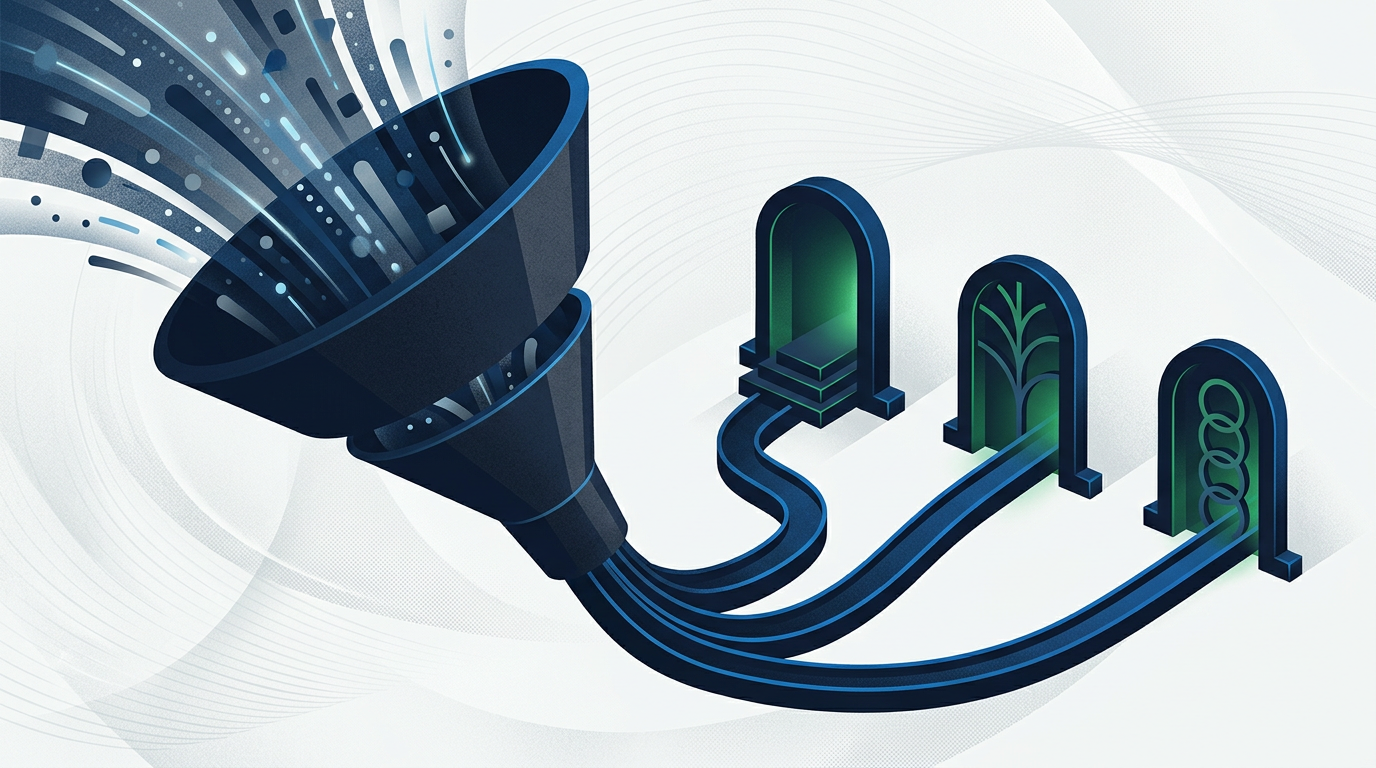
Why Dedicated Lead Generation Landing Pages Outperform Generic Forms
Generic signup boxes convert at about 0.6%, while dedicated lead generation landing pages average 6.6%. That’s a 160% lift across 41,000 pages and 464 million visitors. For coaches and consultants running paid ads through Facebook, Google, or LinkedIn, where you send traffic decides your cost per lead more than your ad creative.
Be Known, based in Knoxville, TN, serves coaches and consultants nationwide with conversion-focused paid acquisition for coaches and consultants. We’ve watched too many people burn through monthly budgets. They send expensive clicks to homepages filled with navigation menus, service lists, and competing calls to action. A dedicated landing page strips away distractions. It aligns with the ad promise and guides visitors toward one decision: claim the offer.
When you send paid traffic to your homepage, the visitor sees links to your blog, about page, services menu, and social icons. Each link is an exit ramp. Landing pages with a single call to action average 13.5% conversion, while multi-CTA pages often convert below 5%. For coaches investing $2,000 to $10,000 per month in ads, that gap means dozens or hundreds of lost leads.
Conversion Benchmarks: 6.6% Median, 10% Good, 15% Top
Industry data from 41,000 landing pages shows a 6.6% median conversion rate across all industries and traffic sources. Marketing leaders view 6 to 7% as baseline, 10% as healthy, and 15% or higher as strong. Coaches and consultants should benchmark their paid-acquisition funnel against these numbers, broken out by traffic source.
Email and webinar traffic convert higher: 19.3% and 22.3% respectively. Those people already know you. Paid cold traffic from Google or Facebook starts closer to 5 to 8%, then climbs as you refine message and offer. If your landing page converts below 5% on paid traffic right now, you can double lead volume without touching your ad budget.
How Dedicated Pages Reduce Friction and Align Ad to Offer
Message match means the headline, promise, and call to action on your landing page mirror the ad that brought the visitor. If your Facebook ad promises “a free guide to booking five high-ticket clients per month,” your page headline must echo that exact language. Misalignment creates friction. The visitor questions whether they clicked the right link, and conversion drops.
Dedicated landing pages let you create perfect message match for each campaign, niche, and offer. A generic “Work With Me” page can’t serve tech execs seeking leadership coaching and healthcare people looking for business-development consulting with equal power. Specificity converts. The visitor should feel the page was built for them, because it was.
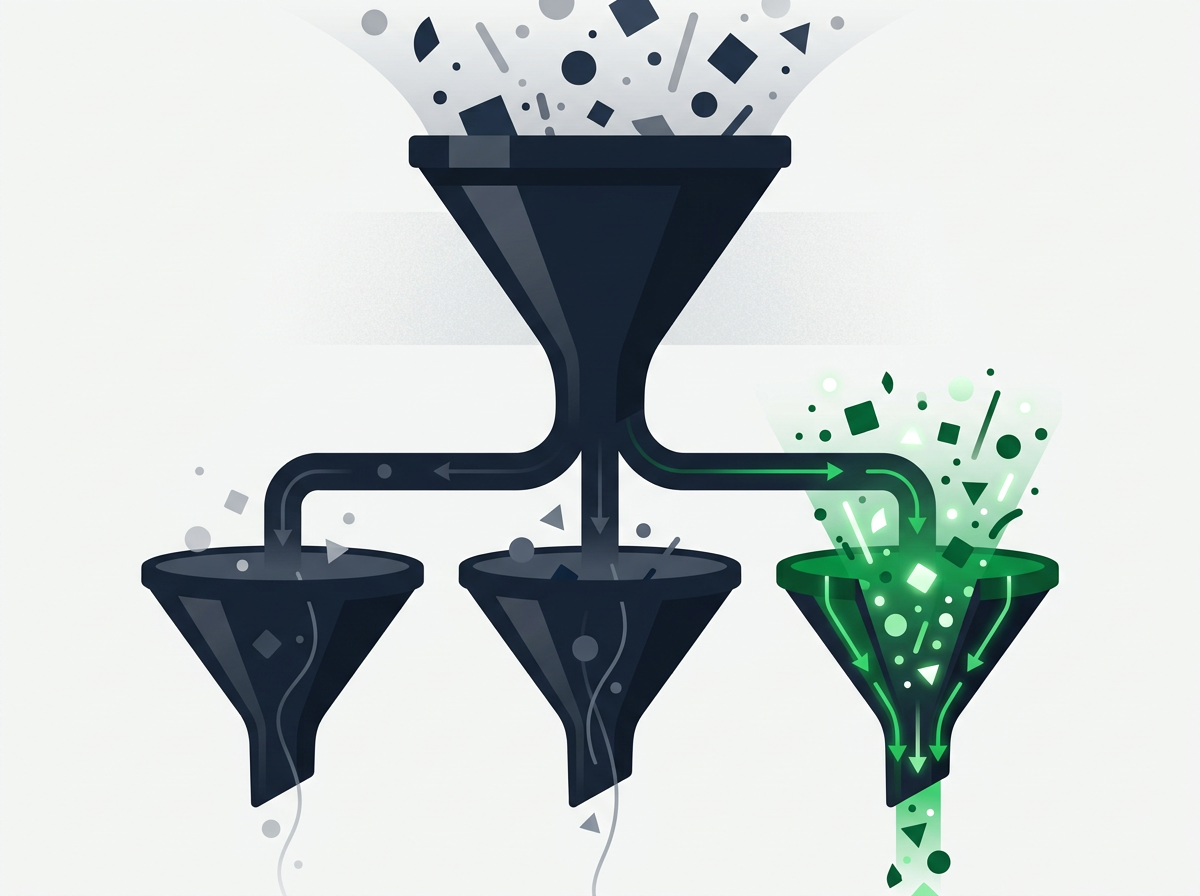
Personalization and Message Match: The 202% CTA Lift
Personalized calls to action convert 202% better than generic “Download Now” or “Book a Call” buttons. This isn’t just about putting a first name into dynamic text. It’s about shaping the entire page around the audience segment that clicked your ad.
Think about two pages for a business coach. One targets burned-out corporate execs seeking transition coaching. The other targets first-time entrepreneurs building six-figure service businesses. Pain points, goals, proof, and even tone differ. A page built for execs talks about clarity, legacy, and strategy. The entrepreneur page highlights cash flow, systems, and scaling. Generic copy that tries to serve both converts neither well.
Case study: A B2B SaaS company called Docket worked with conversion agency KlientBoost to create custom landing pages for different audience segments instead of routing all paid traffic to one generic demo page. Result: a 68% conversion increase. High-ticket coaching shows even bigger lifts. Instapage documented a client whose personalized pages for segmented audiences lifted conversions from 9% to 24%, a 167% gain, by tailoring headlines and pain points to each group.
AI-powered dynamic content tools can deliver an extra 40% lift when built into paid acquisition funnels. These platforms swap headlines, testimonials, and even images based on the visitor’s source, industry, or behavior. For consultants running multiple campaigns across Google, LinkedIn, and Facebook, dynamic personalization scales message match. You don’t need to build dozens of static pages from scratch.
Should You Build Separate Pages by Niche or Funnel Stage?
Both. Start with niche splits, then add funnel-stage variations as your ad spend grows. A business coach serving both tech founders and healthcare practice owners should build different pages for each group. Within each group, you’ll want separate pages for cold lead-magnet offers, warm webinar sign-ups, and hot application or sales-call bookings.
Businesses with more than 40 landing pages generate 500% more leads than those with fewer than 10. That doesn’t mean you need 40 pages on day one. Start with one strong page per core niche, test and tune to 10%+ conversion, then expand. Each new page is a test: Can I increase lead volume by better matching this ad to a tighter audience?
Message-Match Checklist: Ad Headline to Landing Page to CTA
Use this three-step alignment for every campaign:
- Ad headline: “How Healthcare Leaders Book 10+ Strategy Calls Per Month Without Paid Ads”
- Landing page headline: “Healthcare Leaders: Book 10+ Strategy Calls Per Month Without Spending on Ads”
- CTA button: “Get the Healthcare Leader’s Booking System”
Generic options like “Download Now” or “Learn More” give up the 202% personalization lift. Your CTA copy should name the audience, the benefit, or both. Test variations: “Send Me the Guide” vs. “Get My Free Roadmap” vs. “Book My Strategy Call.” Small wording shifts often produce 15 to 30% conversion swings.
Content Length, Offer Design and the Single-CTA Rule
Single-call-to-action pages average 13.5% conversion. Add navigation menus or multiple offers and watch conversion drop about 10%. When you’re paying per click, every distraction is a leak. Strip out your header nav, remove footer links to the blog, kill sidebar widgets. The only clicks should be your CTA button and maybe a privacy-policy link in small type.
Content length depends on offer complexity and audience warmth. Short pages, under 1,000 words, convert about 50% better for low-friction offers like lead magnets, checklists, or webinar sign-ups. Cold paid traffic from Facebook or Google lacks context and patience. Visitors want to judge your offer in seconds, not minutes. A tight page with a strong headline, three benefit bullets, one social-proof element, and a simple form wins.
Long-form pages can win for high-ticket consulting or application funnels. HealthSpire, a healthcare marketing agency, saw a 638% lead increase by switching from a short generic page to a detailed, trust-building page that explained their process, showed client results, and answered common objections. When your offer is a $5,000 engagement or a 90-minute strategy call, the visitor needs enough info to overcome doubt. Long copy lets you pre-qualify leads and filter out tire-kickers.
For coaches and consultants, the decision tree looks like this: If the offer is a free PDF, video training, or webinar seat, keep the page short, 300 to 600 words. If the offer is a paid workshop, application form, or sales call for a $3,000+ program, use 800 to 1,500 words to build trust. Test both. Be Known designs funnel-stage-specific landing pages: short for cold paid acquisition at the top, longer for application or sales-call steps deeper in.
Short vs. Long: When to Use Each for Coaches Selling $3k to $10k Offers
Short pages work when the decision cost is low. Downloading a guide or watching a free training takes minimal commitment, so your page should cut reading time and boost form visibility. Put the headline, subhead, and form above the fold. Add one testimonial or trust badge below the form. That’s it.
Long pages work when the decision cost is high or doubt runs deep. If you’re asking someone to book a 60-minute call during which you’ll diagnose their business and maybe pitch a $10,000 engagement, they need to know who you are, what results you’ve delivered, and why your process works. Use sections to answer objections: “Who this is for,” “What you’ll discover on the call,” “Why our clients choose us,” and “What happens next.” Break long copy with subheads, bullet lists, and testimonials so scanners can extract value without reading every word.
The Anatomy of a High-Converting Coaching Landing Page
Here’s the structure we use at Be Known for coaches running paid acquisition:
- Hero section: Headline (specific promise for specific avatar), subhead (clarify who it’s for or boost benefit), CTA button, short form (name + email) or calendar embed
- Social proof bar: Logos of past clients, media features, or “As seen in” badges (optional but powerful)
- Three-benefit bullets: “You’ll discover how to…” or “Inside, you’ll learn…” with concrete outcomes
- Trust section: Photo + short bio (2 to 3 sentences), one testimonial or case snippet, any relevant credentials
- Repeat CTA: Button + form or calendar link
- FAQ or objection section (optional for long-form): 3 to 5 short Q&A pairs addressing common hesitations
- Footer CTA: Final button with boosted benefit language
This template converts cold paid traffic at 6 to 12% for lead magnets and 8 to 15% for sales calls when message match and offer are strong. Adapt the sequence based on your niche and funnel stage, but keep the single-CTA rule firm.
Video, Visuals and Form Friction
Adding video to landing pages can increase conversions by up to 86%, and 39% of marketers report a positive impact from video. People remember 80% of visuals compared to 20% of text, and the brain processes images in about 13 milliseconds. For high-ticket coaches and consultants, a 60- to 90-second face-to-camera video explaining your offer, your process, or a client win builds trust faster than a thousand words of copy.
Video makes your landing page human. Cold traffic from a Facebook or Google ad doesn’t know you. A static photo and text feel like a transaction. A short video where you look into the camera, speak directly to their pain, and outline what they’ll gain from your offer creates connection. Instapage case studies show video often lifts conversions 15 to 40% for coaching and consulting offers, with the highest lifts when the video directly addresses the visitor’s hesitation: “Is this really for me?” or “Will this work in my situation?”
Keep videos short. Best length is 60 to 90 seconds. Script a simple structure: “If you’re struggling with [pain], I created [offer] to help you [outcome]. Here’s what you’ll get…” followed by a clear call to action: “Enter your email below to get instant access.” Test video placement: above the form in the hero section often wins, but some audiences convert better with video below the fold as a trust-building element after they’ve read the headline.
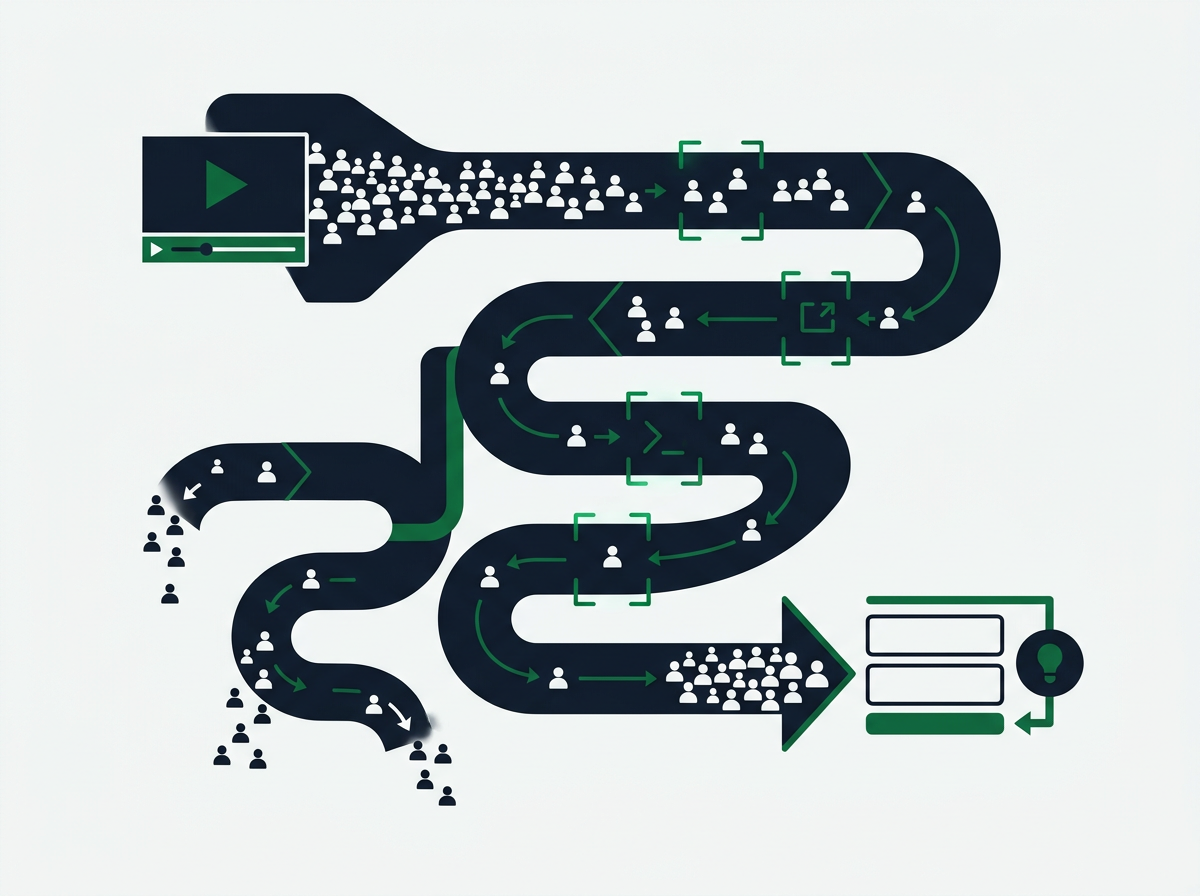
Should You Record a Video for Your Landing Page? ROI Analysis
If your offer is a $3,000+ program or a sales call that could lead to five-figure work, the ROI on video is huge. Say you’re spending $50 per landing-page visitor through LinkedIn ads. If your baseline conversion is 8% and video lifts it to 12%, you’ve increased lead volume by 50% without increasing ad spend. Over 1,000 clicks, that’s 40 more leads, potentially worth $120,000 to $400,000 in closed revenue depending on your close rate and average client value.
Production doesn’t need to be expensive. Record on your smartphone with natural light, a lapel mic, and a clean background. Realness matters more than polish for coaching and consulting. Prospects want to see the person they’ll be working with, not a corporate explainer video. If you’re camera-shy, test a screen-share video walking through a framework or case study. Loom and Vimeo host videos easily. Embed with autoplay muted (let the visitor choose to unmute) to avoid annoying mobile users.
Form Field Optimization: Name Plus Email vs. Multi-Step Qualifier Forms
81% of users abandon forms mid-flow, and cutting form fields to five or fewer can roughly double completion rates. For cold paid traffic, limit your form to name and email, two fields total. You can gather more qualification data later through email automation, a survey link, or the booking confirmation page.
Longer forms improve lead quality but reduce volume. If your sales process needs knowing company size, revenue, or specific pain points before you take a call, add those fields, but know you’re trading quantity for quality. Be Known recommends a two-tier approach: Use minimal forms (name + email) to capture cold leads for nurture sequences and lead magnets, then use a longer application or qualifier form at the sales-call booking step. Warm leads who’ve consumed your content tolerate more friction.
Multi-step forms can increase conversions by cutting perceived complexity. Instead of showing five fields at once, show one or two per screen with a progress bar. Tools like Typeform and Involve.me specialize in conversational, multi-step forms that feel less scary. Test both: a single-page short form vs. a multi-step form with the same fields. Some audiences prefer speed. Others appreciate being guided through questions one at a time.
Scaling Lead Volume With Multiple Pages
Businesses with more than 40 landing pages generate 500% more leads than those with fewer than 10, and expanding from 10 to 15 pages increases leads by 55%. Yet landing pages account for only about 5% of total signup volume on most websites, despite delivering the highest conversion rates. This is a massive untapped opportunity for coaches and consultants willing to build campaign-specific pages.
Why do more pages generate more leads? Each landing page lets you test a new idea: a different niche, a different offer angle, a different traffic source, or a different stage of the buyer journey. A business coach might start with one “Book a Strategy Call” page, then expand to separate pages for “Tech Founders: Scale to $1M Without Burnout,” “Healthcare Entrepreneurs: Double Your Practice Revenue,” and “Corporate Execs: Transition to Consulting in 90 Days.” Each page speaks directly to a narrow audience, boosting relevance and conversion.
48% of marketers create a new landing page for every campaign. This doesn’t mean rebuilding from scratch each time. It means copying a high-converting template and customizing the headline, subhead, bullets, and testimonials to match the new campaign’s messaging. Tools like Leadpages and Unbounce make copying fast. Be Known’s paid acquisition process includes landing-page templates and rapid iteration frameworks to help coaches scale from one page to ten, then ten to forty, as ad spend and lead volume grow.
Can You Use One Generic ‘Book a Call’ Page for All Ads? Spoiler: No
Many coaches launch paid ads across Google, Facebook, and LinkedIn, all pointing to the same generic “Book a Call” landing page. This approach bleeds conversion. A corporate exec clicking a LinkedIn ad about leadership transition coaching expects a page focused on leadership transition, not a vague “work with me” page that also mentions life coaching, team building, and productivity habits. Message match breaks, and the visitor leaves.
Try this test: Build two landing pages for the same offer. Page A uses a generic headline, universal language, one CTA. Page B goes hyper-targeted with a niche-specific headline, industry jargon, and testimonials from that vertical. Split your ad traffic 50/50. Page B will beat Page A by 30 to 100% in nearly every case. Specificity reads as expertise, and expertise converts.
Landing Page Scaling Roadmap: 1 Page to 10 Pages to 40+ Pages
Stage 1 (1 to 3 pages): Build one strong page per core offer. Tune to 8 to 10% conversion on paid traffic before scaling. Focus on message match, clear CTA, and minimal form friction.
Stage 2 (4 to 10 pages): Split by niche or persona. Create separate pages for each major audience you serve. Test different offers: lead magnet vs. webinar vs. sales call. Start A/B testing on headlines and CTA copy.
Stage 3 (11 to 40+ pages): Add funnel-stage pages, traffic-source pages, and offer variations. Build pages for retargeting, email nurture, and partner referrals. Use dynamic content tools to scale personalization without manual page builds.
Tools and Fast Setup for Paid Ads
Leadpages, priced at $49 to $99 per month, is the top choice for solo coaches: optimized templates, booking and CRM integrations, and lead-magnet delivery without dev work. Unbounce is recommended when scaling ad spend and A/B testing becomes critical. Instapage suits high-ticket consultants ($10k+ offers) needing advanced personalization.
Leadpages wins for speed and simplicity. You can launch a page in under an hour using a proven template, swap in your headline and copy, connect your email tool (Mailchimp, ConvertKit, ActiveCampaign), and publish. The Standard plan at $49 per month includes unlimited pages, pop-ups, and alert bars. The Pro plan at $99 per month adds A/B testing and online sales and payments. For coaches just starting paid ads, Leadpages is the best balance of cost, ease, and conversion power.
Unbounce starts at $99 per month and adds advanced features: dynamic text replacement (swap headlines based on ad keywords), AMP pages for mobile speed, and robust A/B testing. When you’re spending $5,000+ per month on ads, the extra $50 per month is negligible if it lifts conversion by even 2%. Unbounce shines for agencies and consultants running dozens of campaigns.
Instapage starts at $199 per month. It targets enterprise and high-ticket offers. Features include pixel-perfect design control, heatmaps, and advanced personalization. You can swap entire page sections by audience. It also includes collaboration tools for teams. If your average client is worth $15,000 and you’re running LinkedIn or Google ads to execs, Instapage’s personalization can justify the cost in a single client.
Leadpages vs. Unbounce vs. Instapage: Which One for Coaches?
- Leadpages ($49 to $99/mo): Best for solo coaches and consultants starting paid ads. Fast setup, proven templates, easy integrations. Pick this if you need one to ten pages and want to launch fast.
- Unbounce ($99 to $249/mo): Best for scaling ad spend and A/B testing. Dynamic text replacement and AMP pages help squeeze more from every click. Pick this when you’re spending $5,000+ per month on ads and testing is critical.
- Instapage ($199 to $399/mo): Best for high-ticket consultants and agencies. Advanced personalization, heatmaps, and collaboration tools. Pick this for $10k+ offers and enterprise clients.
Integrations: CRM, Email, Calendar, Analytics (What You Actually Need)
Every landing page builder connects to the major email tools: Mailchimp, ConvertKit, ActiveCampaign, HubSpot. For coaches, the most critical integrations are:
- Email marketing: Capture leads into your email list for nurture sequences. ConvertKit and ActiveCampaign are popular for coaches.
- Calendar: Calendly or Acuity for booking sales calls directly from the page. Cuts friction and increases show rate.
- CRM: Pipedrive, HubSpot, or Salesforce for tracking leads through your pipeline. Sync your form to CRM so every lead is logged.
- Analytics: Google Analytics and Facebook Pixel for tracking conversions and building retargeting audiences. Zapier connects almost anything if your builder doesn’t have a native integration.
Don’t over-engineer. Start with email and calendar. Add CRM and analytics as you scale. Be Known sets up the full integration stack for clients: landing page to email to CRM to retargeting pixel, so every lead is tracked and nurtured.
How Be Known Optimizes Landing Pages for Coaches
Be Known designs, builds, and tests lead generation landing pages for coaches and consultants running paid acquisition for coaches and consultants campaigns across the United States. We start with funnel mapping: What’s the offer? Who’s the audience? What’s the ad message? Then we build pages that match message, audience, and funnel stage, test them against benchmarks, and iterate weekly until we hit 10%+ conversion.
Our process includes headline testing (3 to 5 variations per page), CTA testing (button copy, color, placement), form-field testing (2 fields vs. 3 fields vs. multi-step), and offer testing (lead magnet vs. webinar vs. sales call). We track every metric: page views, form starts, form completions, cost per lead, and lead-to-client close rate. When a page underperforms, we diagnose fast: Is it traffic quality, message match, offer clarity, or form friction?
We also handle the technical side: domain setup, SSL, mobile optimization, page speed, schema markup, and pixel tracking. Coaches focus on delivering their service. We focus on filling their calendar with qualified leads from paid ads.
Be Known Landing Page Process: Funnel Mapping to A/B Testing
- Funnel mapping: Define offer, audience, and traffic source. Map the full journey from ad click to closed client.
- Page build: Write copy, design layout, integrate form and calendar. Launch in Leadpages or Unbounce.
- Baseline test: Run 500 to 1,000 clicks through the page. Measure conversion rate, cost per lead, and lead quality.
- A/B testing: Test headline, CTA, video vs. static, short vs. long copy, 2-field vs. 3-field form.
- Iterate weekly: Launch winning variant, test next variable. Repeat until page hits 10%+ conversion.
- Scale: Build niche-specific variants, funnel-stage variants, and traffic-source variants as ad spend grows.
Case Study Examples: Webinar Funnel, Lead Magnet, Sales-Call Pages
We’ve built and optimized landing pages across dozens of niches and offer types. Here are three common patterns:
Webinar funnel (executive coach, $5k offer): Short page, 400 words. Headline: “Tech Execs: How to Scale Your Team Without Burning Out.” Subhead: “Join the free 60-minute training.” Form: name + email. Result: 14% conversion on LinkedIn ads, $22 cost per lead.
Lead magnet (business consultant, $10k offer): Short page, 500 words. Headline: “Healthcare Practice Owners: The 7-Step System to Double Revenue in 12 Months.” Subhead: “Download the free PDF roadmap.” Form: name + email. Result: 11% conversion on Facebook ads, $18 cost per lead.
Sales-call page (high-ticket coach, $15k offer): Long page, 1,200 words. Headline: “Corporate Leaders: Book Your 90-Minute Transition Strategy Session.” Sections: Who this is for, What you’ll discover, Why our clients choose us, What happens next. Form: name + email + phone + company. Calendar embed. Result: 9% conversion on Google ads, $65 cost per booked call, 40% show rate, 30% close rate.
Nationwide Service: Remote Delivery, U.S. Time Zones, ROI Tracking
Be Known works with coaches and consultants across all 50 states. We operate remotely, with structured communication via Slack, weekly Zoom check-ins, and shared dashboards for tracking ad performance and lead flow. We’re based in Knoxville, TN, but serve clients in every U.S. time zone, including Hawaii and Alaska.
Our clients get real-time access to landing page analytics, A/B test results, and cost-per-lead data. We track ROI from first ad click to closed client, so you know exactly what you’re spending and what you’re earning. If a campaign isn’t hitting targets, we pivot fast: new page, new offer, new audience.
Frequently Asked Questions
What is a lead generation landing page?
A lead generation landing page is a standalone web page designed with a single goal: capturing visitor information. You offer a lead magnet, webinar, consultation, or application in exchange for a name, email, and phone number. Unlike homepages, these pages eliminate navigation and distractions. They focus visitors on one call to action. For coaches and consultants running paid ads, dedicated landing pages convert 160% better than generic signup forms.
What is a good conversion rate for a landing page from paid ads?
A study of 41,000 landing pages found a 6.6% median conversion rate. Most marketing teams call 6 to 7% baseline, 10% healthy, and 15%+ strong. If you’re running Google, Facebook, or LinkedIn ads as a coach, use these benchmarks. Email and webinar traffic convert much higher at 19.3% and 22.3%, so split your reports by source to get an accurate read on performance.
Should I use one landing page for all my ads or create separate pages?
Create separate pages. Businesses with over 40 landing pages generate 500% more leads than those with under 10. Personalized landing pages that match ad messaging convert 202% better than generic pages. Coaches should build unique pages for each niche (e.g., tech execs vs. healthcare leaders), funnel stage (lead magnet vs. sales call), and major ad creative theme to get the most from paid acquisition ROI.
How many form fields should a lead generation landing page have?
For cold paid traffic, limit fields to name and email (2 fields). Cutting forms to 5 fields or fewer can double completion rates; 81% of users abandon forms mid-flow. Gate high-value lead magnets with minimal friction. Save longer qualifier or application forms for warm leads (retargeting, email nurture) or the sales-call booking step. Be Known helps coaches balance lead quality and volume through form-field testing.
Does adding video to a landing page really increase conversions?
Yes. About 39% of marketers report positive impact, and some tests show up to 86% conversion increases. People remember 80% of visuals vs. 20% of text. A 60 to 90 second face-to-camera video explaining your offer, results, or process builds trust fast, especially important for high-ticket coaching or consulting. Test video vs. static hero image; Instapage case studies show video often lifts conversions 15 to 40% for coaches.
What landing page builder should coaches use for paid ads?
Leadpages ($49 to $99/mo) is the top choice for solo coaches. It offers optimized templates, booking and CRM integrations, and lead-magnet delivery without dev work. Unbounce is recommended when scaling ad spend and A/B testing becomes critical. Instapage suits high-ticket consultants with $10k+ offers who need advanced personalization. Be Known (Knoxville, TN HQ; nationwide service) provides full setup, integration, and conversion-rate optimization for paid acquisition landing pages.
How do I create a lead generation landing page?
Define a clear offer, audience, and single goal. Write a benefit-focused headline, tight copy addressing pain points, and a strong call to action. Use a simple form asking only key fields, add trust signals (testimonials, logos, guarantees), and make sure load time is fast and mobile works well. A/B test headlines, CTAs, and form length.
Sources
- 41,000 landing pages, 464M visitors: median 6.6% conversion, dedicated pages 160% better than generic forms , genesysgrowth.com
- landing pages with a single call to action average 13.5% conversion; 81% abandon forms; video up to 86% lift; 40+ pages = 500% more leads , involve.me
- Leadpages, priced at $49 to $99 per month, is the top choice for solo coaches , leadpages.com