
What is an Automated Lead Funnel and Why You Need One
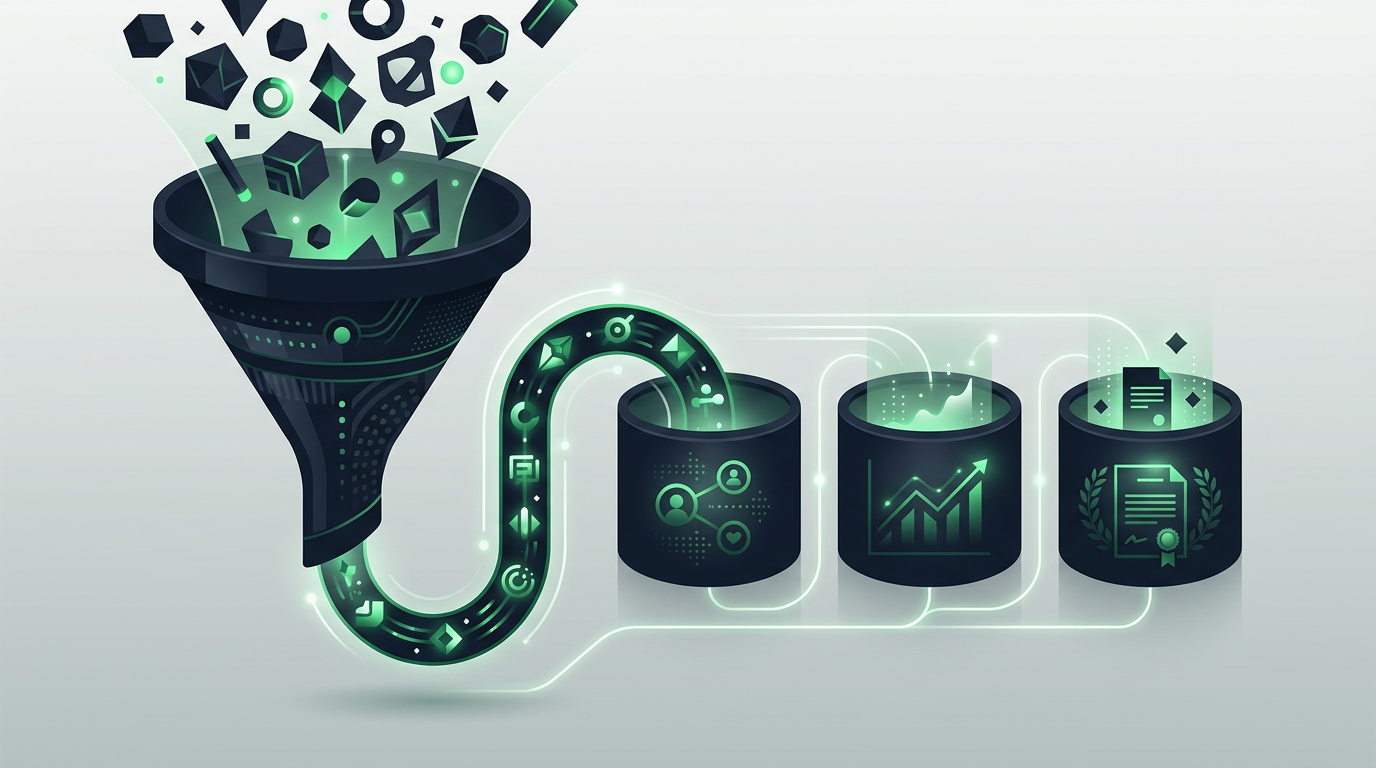
An automated lead funnel is a systematic, technology-driven process that guides potential clients from initial awareness to conversion without constant manual intervention. It’s the engine that powers sustainable business growth for coaches and consultants across the United States.
Unlike traditional prospecting methods that require hour-by-hour attention, automated funnels work continuously in the background. They capture interest, nurture relationships, and present your services to qualified prospects around the clock. The result is a consistent flow of opportunities that doesn’t depend on your personal availability or energy level.
Be Known, LLC, headquartered in Knoxville, TN, specializes in building these systems for coaches and consultants nationwide. Through paid acquisition for coaches and consultants, the agency creates funnels that generate predictable client pipelines while you focus on service delivery.
The Four Core Stages of an Automated Funnel
Every effective funnel moves prospects through four distinct phases. The awareness stage introduces your brand and captures attention through targeted advertising or content. The interest stage delivers valuable information that positions you as an expert and builds credibility.
The decision stage addresses specific objections, showcases testimonials, and clarifies your unique approach. Finally, the action stage prompts the prospect to book a consultation, enroll in a program, or take another conversion step. Automation streamlines each transition without losing the personal touch that coaching clients expect.
Primary Benefits: Scalability and Focus
The main advantage of automation is achieving consistent, scalable client acquisition while freeing your schedule. Traditional manual prospecting creates a feast-or-famine cycle: when you’re busy serving clients, lead generation stops, and when projects end, you scramble to fill the pipeline again.
Automated funnels break that cycle by generating opportunities regardless of your current workload. They also reduce human error by ensuring every lead receives the same high-quality experience. Your brand message, positioning, and follow-up remain consistent across thousands of interactions.
This reliability matters deeply for business planning. When you can predict monthly lead volume and conversion rates, you can confidently invest in team growth, expand service offerings, and make strategic decisions with data rather than hope.
Key Components of a High-Converting Automated Funnel
Building an effective automated funnel requires four foundational elements working in harmony. Each component plays a specific role in moving prospects toward a purchasing decision while maintaining efficiency and personalization at scale.
Landing Pages That Convert Browsers Into Leads
Your landing page is the entry point where cold traffic becomes known prospects. A conversion-focused page includes a compelling headline that speaks directly to your ideal client’s challenge, clear benefit statements that articulate your unique value, and minimal distractions that keep visitors focused on one action.
The best landing pages eliminate navigation menus, sidebar links, and footer clutter. They use focused copy that addresses one specific problem and offers one clear solution. Social proof elements like client testimonials, case study highlights, or authority indicators build trust quickly.
The form itself should request only essential information. For most coaches and consultants, a name and email address suffice initially. Adding unnecessary fields reduces conversion rates by creating friction. You can gather additional qualifying information later in your email sequence.
Email Automation Sequences That Nurture and Convert
Once a prospect enters your funnel, email automation takes over the nurturing process. A well-designed drip campaign delivers value-first content that educates, builds trust, and positions you as the logical choice when the prospect is ready to invest.
Effective sequences follow a strategic arc: early emails provide immediate value related to the lead magnet they downloaded, middle emails share case studies or frameworks that demonstrate your methodology, and later emails address common objections and present clear calls to action for booking a consultation.
The timing and frequency matter as much as the content. Most high-converting sequences for coaching services use a 7-10 email cadence over 2-4 weeks, with messages arriving every 2-3 days. This pacing keeps you top-of-mind without overwhelming recipients.
CRM Integration for Personalization and Tracking
Customer Relationship Management systems transform your funnel from a broadcasting tool into an intelligent system that adapts to individual prospect behavior. CRM integration allows you to track which emails prospects open, which links they click, and which pages they revisit.
This behavioral data enables sophisticated segmentation. You can create separate follow-up paths for highly engaged prospects versus those who need more nurturing. You can identify the exact moment when a lead is most likely to convert and trigger a personalized outreach.
Modern CRM platforms also centralize all client communication history, making handoffs from automated sequences to personal sales conversations seamless. Your team can see exactly what content each prospect received and how they engaged, enabling more relevant, context-aware conversations.
Paid Acquisition Channels That Feed Your Funnel
The most sophisticated funnel delivers zero results without consistent traffic. Paid acquisition channels like Facebook Ads, Google Ads, and LinkedIn Ads provide immediate, scalable, and targetable traffic flow that organic methods can’t match.
Facebook and Instagram advertising excel for coaches targeting specific demographics, interests, and behaviors. The platform’s detailed targeting options allow you to reach precisely the type of client you serve best. Google Ads capture high-intent prospects actively searching for solutions you provide.
LinkedIn Ads offer premium B2B targeting for consultants serving corporate clients or executives. While cost-per-click runs higher than Facebook, the professional context and precise job-title targeting often justify the investment. Most successful funnels test multiple channels and allocate budget based on cost-per-acquisition performance.
According to WordStream research, the average conversion rate for Facebook ads across industries is 9.21%, but professional services often see higher rates with proper targeting and offer design.
Building Your Automated Lead Funnel: A Step-by-Step Guide
Creating an automated funnel that consistently generates qualified leads requires methodical planning and execution. Following a proven sequence ensures you build on a solid foundation rather than troubleshooting avoidable problems later.
Step One: Define Your Ideal Client Avatar
Every effective funnel begins with crystal clarity about who you serve. Your Ideal Client Avatar (ICA) isn’t just demographic data; it’s a detailed profile of the specific person most likely to benefit from and invest in your services.
Document their professional situation: industry, role, company size, and revenue level. Identify their primary challenge: the specific problem that keeps them searching for solutions. Understand their emotional drivers: the fears, frustrations, and aspirations that motivate decision-making.
This specificity shapes every funnel element. Your ad targeting parameters flow directly from your ICA demographics. Your landing page copy addresses their exact pain points. Your lead magnet solves a problem they urgently need to fix. Without this foundation, you’ll attract irrelevant traffic that costs money but never converts.
Step Two: Map the Complete Customer Journey
With your ICA defined, trace the path they take from first awareness to signed client. Identify all touchpoints: the ad that captures attention, the landing page that generates interest, the lead magnet that provides immediate value, the email sequence that builds trust, and the consultation that closes the sale.
Document the key questions, objections, and information needs at each stage. What must prospects understand before they’ll take the next step? What concerns must you address? This journey map becomes your content development guide, ensuring no gap exists between stages.
Most coaching and consulting journeys include 5-8 meaningful touchpoints before conversion. Trying to compress this into fewer interactions increases friction and reduces conversion rates. Building in too many steps creates abandonment. The right number depends on your price point, complexity, and client sophistication.
Step Three: Select and Integrate Your Technology Stack
Choose platforms that offer the capabilities you need without unnecessary complexity. For landing pages, tools like ClickFunnels, Leadpages, or Unbounce provide conversion-optimized templates and simple editing. For email automation, ActiveCampaign, ConvertKit, or Mailchimp offer robust sequencing with varying levels of sophistication.
Your CRM selection depends on scale and integration needs. HubSpot offers a powerful free tier suitable for solo practitioners and small teams. Salesforce provides enterprise-grade capabilities for larger consultancies. Less expensive options like Pipedrive or Zoho CRM serve mid-range needs effectively.
Integration between these tools is non-negotiable. Your landing page builder must pass leads seamlessly to your email platform. Your email platform must log activity in your CRM. Your CRM must trigger actions in other systems. Native integrations are ideal, but Zapier bridges gaps between platforms that don’t connect directly.
Step Four: Create Compelling Lead Magnets That Attract Your ICA
Your lead magnet is the value exchange that converts anonymous visitors into known prospects. It must solve a specific, immediate problem your ICA faces while positioning your paid services as the natural next step.
Effective formats include PDF guides that provide frameworks or checklists, short video trainings that demonstrate your methodology, assessment tools that diagnose problems, or templates that simplify complex processes. The best lead magnets can be consumed in 10-15 minutes and provide instant utility.
Avoid creating lead magnets that fully solve your prospects’ problems. The goal is to provide genuine value while creating awareness of larger challenges they’ll need help addressing. Position your lead magnet as “the first step” or “the foundation” rather than the complete solution.
Research from DemandGen’s 2021 Content Preferences Survey shows that 67% of B2B buyers rely on content to research purchasing decisions, making your lead magnet a critical trust-building tool.
Optimizing Your Funnel for Maximum ROI and Scalability
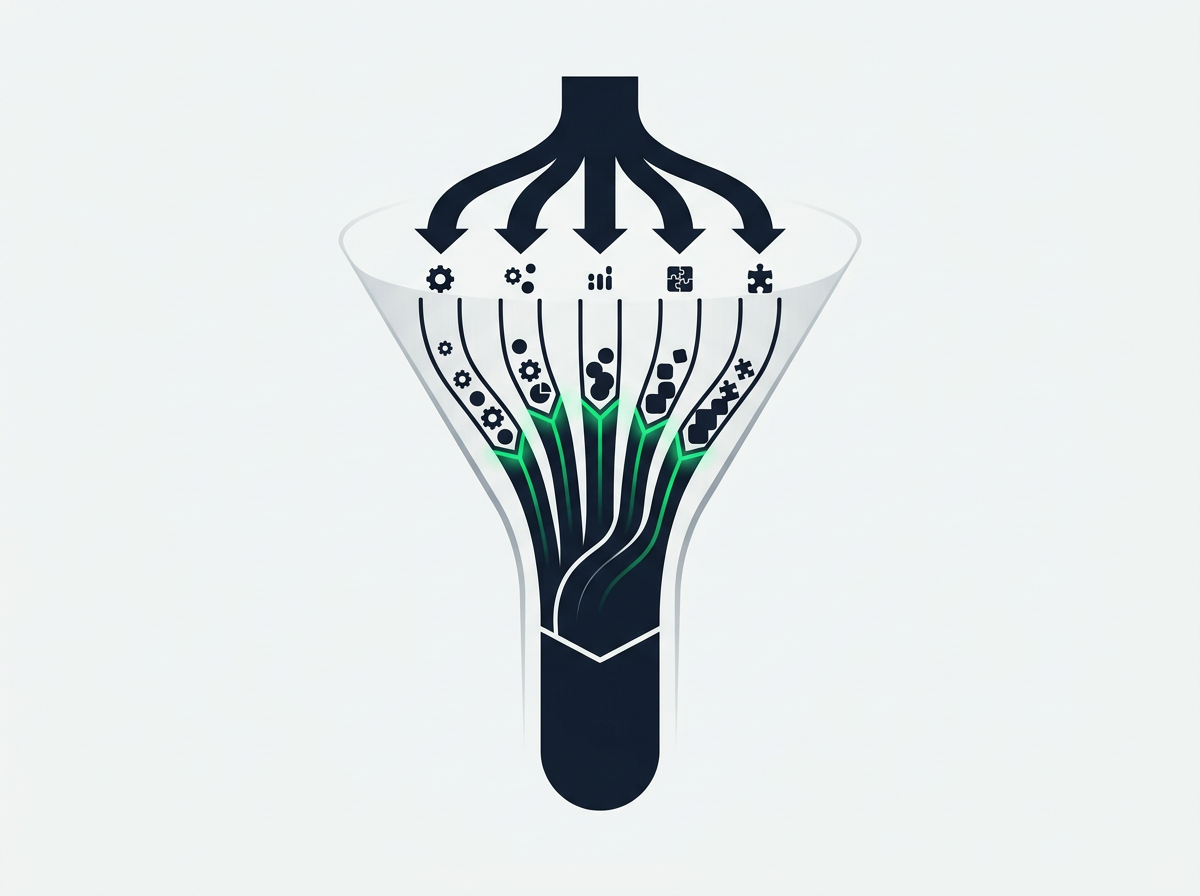
Building your initial funnel is just the beginning. Consistent optimization based on data converts a functional system into a profit-generating asset that delivers predictable returns on every advertising dollar invested.
Implement Systematic A/B Testing
A/B testing compares two versions of a funnel element to identify which performs better. Start with high-impact variables: test two different headlines on your landing page, two different email subject lines in your sequence, or two different ad images in your acquisition campaigns.
Run each test until you reach statistical significance, typically requiring at least 100 conversions per variation. Declaring a winner too early leads to false conclusions. Most testing platforms calculate confidence levels automatically, but a general rule requires 95% confidence before implementing the winning version.
Focus on one variable at a time. Testing multiple elements simultaneously makes it impossible to determine which change drove results. After identifying a winner, implement it permanently and begin testing the next element. This methodical approach compounds improvements over time.
Analyze Metrics That Matter
Vanity metrics like page views or email opens feel good but don’t directly impact revenue. Focus instead on conversion metrics at each funnel stage: ad click-through rate, landing page conversion rate, email-to-consultation booking rate, and consultation-to-client close rate.
Calculate your cost per lead (CPL) by dividing total ad spend by leads generated. Track your customer acquisition cost (CAC) by dividing total marketing spend by new clients acquired. Compare CAC to customer lifetime value (CLTV) to ensure your funnel is profitable at scale.
According to ProfitWell research, a healthy CLTV to CAC ratio is 3:1, meaning each client should generate three times their acquisition cost in lifetime value. Ratios below this threshold indicate optimization opportunities.
Create a simple dashboard that displays these core metrics weekly. Regular review creates accountability and surfaces problems early. Tools like Google Data Studio, Databox, or your CRM’s native reporting can consolidate data from multiple sources into a single view.
Iterate Based on Data Insights
Data without action is merely interesting. Schedule monthly funnel reviews where you examine performance trends, identify bottlenecks, and prioritize improvements. Look for dramatic drop-offs between stages; a 50% decline from landing page visit to opt-in suggests messaging misalignment or form friction.
Market conditions change, audience sophistication evolves, and competitor activity shifts. What worked six months ago may underperform today. Continuous refinement keeps your funnel responsive and effective regardless of external changes.
Document every change and its impact. This testing log becomes institutional knowledge that prevents repeating failed experiments and enables you to replicate successes across different offers or audiences.
Maximize Ad Spend Through Retargeting
Most prospects don’t convert on first exposure. Retargeting campaigns serve ads specifically to people who visited your landing page but didn’t opt in, or who entered your email sequence but didn’t book a consultation.
Facebook and Google both offer sophisticated retargeting capabilities. You can create custom audiences based on specific behaviors: website visitors, video viewers, email openers, or previous customers. Serve these warm audiences different messaging that addresses the specific objection preventing them from moving forward.
Retargeting typically delivers lower cost-per-acquisition than cold traffic campaigns because you’re investing in prospects who already demonstrated interest. According to Criteo research, retargeting can increase conversion rates by up to 150% compared to cold campaigns.
Common Pitfalls to Avoid in Automated Lead Generation
Even experienced coaches and consultants make predictable mistakes when building automated funnels. Awareness of these pitfalls helps you navigate around them rather than learning through expensive trial and error.
Ignoring Data and Flying Blind
Some business owners set up a funnel, turn on ads, and hope for the best without establishing proper tracking. This approach wastes money and prevents optimization. Without data, you can’t identify which traffic sources deliver qualified leads, which messages resonate, or where prospects abandon the process.
Install conversion tracking pixels from your ad platforms on every funnel page. Set up Google Analytics goals for each key action. Configure your CRM to attribute revenue to specific campaigns. This infrastructure requires upfront effort but pays dividends through informed decision-making.
Review your metrics at least weekly during the first 90 days. Early patterns reveal whether your funnel architecture is sound or requires fundamental adjustments. Waiting months to examine data means wasting significant budget on underperforming campaigns.
Creating Messaging Misalignment
Disconnected messaging between your ad, landing page, and email sequence destroys trust and tanks conversion rates. If your Facebook ad promises “three strategies to double your revenue” but your landing page offers “a comprehensive business growth framework,” prospects feel deceived and bounce immediately.
Maintain message consistency across all touchpoints. Use the same language, address the same problem, and reinforce the same benefit at every stage. Your ad, headline, lead magnet title, and first email should feel like one continuous conversation rather than disconnected pieces.
This alignment extends to visual consistency as well. Color schemes, fonts, and design elements should remain consistent from ad through email sequence. Visual continuity subconsciously reinforces brand recognition and professionalism.
Overcomplicating Your Initial Funnel
The temptation to build an elaborate, multi-path funnel with sophisticated automation logic is strong. Resist it. Complex funnels take longer to build, are harder to troubleshoot, and often perform worse than simple architectures because they create decision paralysis.
Start with a straightforward linear funnel: one ad, one landing page, one lead magnet, one email sequence, one call-to-action. Prove this basic model works before adding segmentation, alternate paths, or advanced automation rules. Simple funnels are easier to optimize because you can clearly identify what’s working and what isn’t.
Once your basic funnel consistently generates positive ROI, then add complexity strategically. Split your audience based on engagement levels or create alternate paths for different service offerings. But earn the right to complicate by first demonstrating simple success.
Neglecting the Human Touch
Automation handles scale efficiently, but strategic manual intervention significantly boosts conversion rates. When a high-value prospect downloads your lead magnet or rewatches your sales video multiple times, a personal text or voice message from you creates differentiation that pure automation can’t match.
Set up notifications for high-intent behaviors: landing page revisits, email link clicks, pricing page views. Reserve 15 minutes daily to personally reach out to these warm prospects. This hybrid approach combines automation’s efficiency with personal connection’s effectiveness.
Your CRM should trigger tasks prompting these personalized touches rather than leaving them to memory or chance. Automation should augment your personal efforts, not replace the relationship-building that converts prospects into long-term clients.
Partnering with Experts for Seamless Funnel Implementation
Building and optimizing automated funnels requires specific expertise across multiple disciplines: copywriting, design, technical implementation, advertising strategy, and data analysis. Few coaches possess all these skills, and developing them diverts attention from your core competency of serving clients.
Recognizing When to Seek Professional Help
If technical setup feels overwhelming, you’re likely better served delegating it. If your initial ad campaigns drain budget without generating qualified leads, expert guidance on paid advertising for coaches becomes a wise investment rather than an expense.
Professional funnel builders bring pattern recognition from building dozens or hundreds of similar systems. They know which tools integrate smoothly, which messaging angles resonate with coaching clients, and which metrics indicate early success versus false signals. This experience accelerates your time to profitability.
The opportunity cost of DIY experimentation is real. Every month spent learning advertising platforms and troubleshooting technical integrations is a month you’re not serving additional clients or developing new offers. Strategic delegation often delivers faster, better results while preserving your mental bandwidth.
The Be Known Advantage for Coaches and Consultants
Be Known, LLC specializes exclusively in building automated lead generation systems for coaches and consultants across the United States. This focus creates deep expertise in the specific challenges, offers, and client psychology unique to professional services.
The agency handles complete funnel implementation: designing high-converting landing pages, writing nurture email sequences, configuring technical integrations, and managing strategic paid acquisition campaigns across multiple platforms. This comprehensive approach ensures all funnel components work together seamlessly rather than fighting against each other.
Ongoing optimization is built into the partnership model rather than being an afterthought. Monthly performance reviews identify improvement opportunities, A/B tests run continuously, and ad campaigns adjust based on real-world results. This commitment to iteration means your funnel improves over time rather than degrading as market conditions change.
Focusing on Your Zone of Genius
Your highest value activity is delivering transformation to clients, not managing ad platforms or debugging email automation sequences. When you optimize your ad spend for lead generation through expert partnership, you reclaim time for coaching, developing intellectual property, and strengthening client relationships.
This focus also improves service quality. Coaches juggling lead generation, funnel management, and client delivery inevitably compromise somewhere. Delegating the technical marketing allows you to show up fully present for the clients you serve, leading to better outcomes and stronger referrals.
The math is straightforward: if your hourly coaching rate is $300 and you spend 10 hours monthly managing your funnel, that’s $3,000 in opportunity cost. If an agency can generate better results for less than that monthly investment while freeing your time for revenue-generating activities, the decision becomes obvious.
Predictable Lead Flow Creates Strategic Advantage
When you unlock consistent client flow through paid media, your entire business benefits. You can confidently commit to team hires, office leases, or technology investments knowing your revenue pipeline is reliable. You can test new service offerings with real leads rather than theoretical audiences.
Competitors relying on referrals or organic methods experience feast-or-famine cycles that prevent strategic growth. Your automated funnel provides the stability to think long-term, reinvest profits strategically, and build a business asset rather than just buying yourself a job.
This predictability also improves work-life balance. When leads flow consistently without requiring your direct involvement, you can take vacations, attend family events, or simply rest without worrying that your pipeline will dry up during your absence.
Taking the Next Step Toward Consistent Client Acquisition
Automated Lead Funnels“>Automated Lead Funnels“>Automated Lead Funnels“>Automated Lead Funnels“>Automated Lead Funnels“>Automated Lead Funnels“>Automated Lead Funnels“>Automated Lead Funnels“>Automated Lead Funnels“>Automated Lead Funnels“>Automated Lead Funnels“>Automated Lead Funnels“>Automated Lead Funnels“>Automated lead funnels represent the difference between hoping for clients and systematically generating them. The coaches and consultants who embrace this approach gain competitive advantages that compound over time: predictable revenue, strategic flexibility, and the freedom to focus on the work they love most.
Implementation requires upfront investment in time, money, and learning. The alternative is worse: perpetual manual prospecting, unpredictable income, and constant anxiety about where next month’s clients will come from. That costs far more over the long term.
The specific tactics, tools, and strategies will evolve as technology advances and market conditions shift. But the core principle remains constant: systematized lead generation creates business stability that manual efforts can never match. Building this capability now positions you for sustainable growth regardless of future changes.
Whether you choose to build your funnel independently or partner with specialists, the critical decision is committing to a systematic approach rather than continuing to rely on inconsistent methods. Your future clients are searching for solutions right now. The question is whether they’ll find you through a professional, automated system or discover a competitor who invested in one first.
Ready to build an automated lead funnel that generates consistent client opportunities? Be Known, LLC helps coaches and consultants nationwide implement proven systems that attract, nurture, and convert high-quality leads through strategic paid acquisition. Schedule your strategy session to discover how automated funnels can transform your client acquisition and free you to focus on delivering exceptional results.
FAQs
What is the primary benefit of an automated lead funnel for coaches?
The primary benefit is consistent, scalable client acquisition without constant manual effort. Automated funnels work 24/7 to attract, nurture, and convert leads, freeing up coaches to focus on delivering their services. This system ensures a steady flow of potential clients, crucial for business growth and stability.
How long does it take to see results from an automated lead funnel?
Results can vary, but with well-executed paid acquisition strategies, you can often see initial leads within days. Significant conversion results and a clear ROI typically emerge within 1-3 months as the funnel is optimized. Consistency in traffic and continuous refinement are key to accelerating outcomes.
What essential tools are needed to build an automated lead funnel?
Essential tools include a landing page builder (e.g., ClickFunnels, Leadpages), an email marketing platform (e.g., ActiveCampaign, ConvertKit), a CRM system (e.g., HubSpot, Salesforce), and advertising platforms like Facebook Ads or Google Ads for traffic generation. Integration between these tools is vital.
Can I build an effective automated funnel without extensive tech skills?
Yes, many modern tools offer user-friendly interfaces and drag-and-drop builders, making it accessible even without extensive tech skills. However, optimizing for paid acquisition and integrating complex systems often benefits from expert knowledge. Agencies like Be Known specialize in this, allowing you to focus on your coaching.
What is the typical ROI for an automated lead funnel in coaching?
The ROI for an automated lead funnel can be substantial, often ranging from 2x to 10x or more, depending on your offer, funnel efficiency, and ad spend. By consistently attracting qualified leads at a predictable cost, coaches can significantly increase client numbers and revenue, making it a highly profitable investment.
How does Be Known, LLC help coaches with automated lead funnels?
Be Known, LLC specializes in designing, building, and optimizing automated lead funnels powered by strategic paid acquisition for coaches and consultants nationwide. We handle the technical setup, ad campaign management, and continuous optimization, ensuring a consistent flow of high-quality leads so you can focus on your clients and grow your business efficiently.
Sources & references
- DemandGen's 2021 Content Preferences Survey — demandgenreport.com