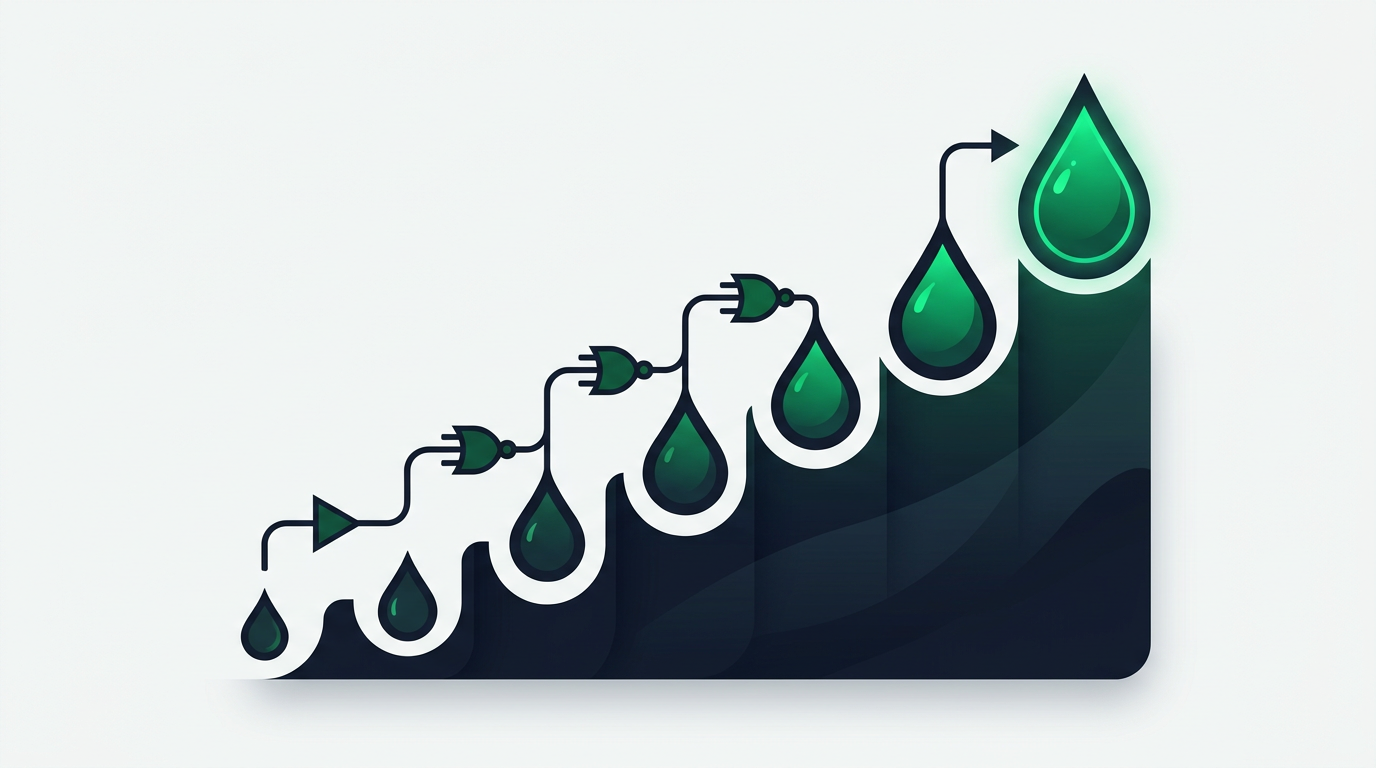

Automate Follow-Up: Scale Your Coaching & Consulting with Paid Acquisition
Automating Client Follow-Up“>Automating Client Follow-Up“>Automating Client Follow-Up“>Automating Client Follow-Up“>Automating Client Follow-Up“>Automating Client Follow-Up“>Automating Client Follow-Up“>Automating Client Follow-Up“>Automating Client Follow-Up“>Automating Client Follow-Up“>Automating Client Follow-Up“>Automating Client Follow-Up“>Automating Client Follow-Up“>Automating Client Follow-Up“>Automating Client Follow-Up“>Automating client follow-up transforms how coaches and consultants convert leads from paid acquisition campaigns. By implementing strategic automation systems, you eliminate manual bottlenecks, nurture prospects consistently, and scale your business without proportionally increasing your workload. This guide explores the tools, strategies, and best practices that enable sustainable growth while maintaining the personal touch your clients value.
The Imperative of Automated Follow-Up in Paid Acquisition
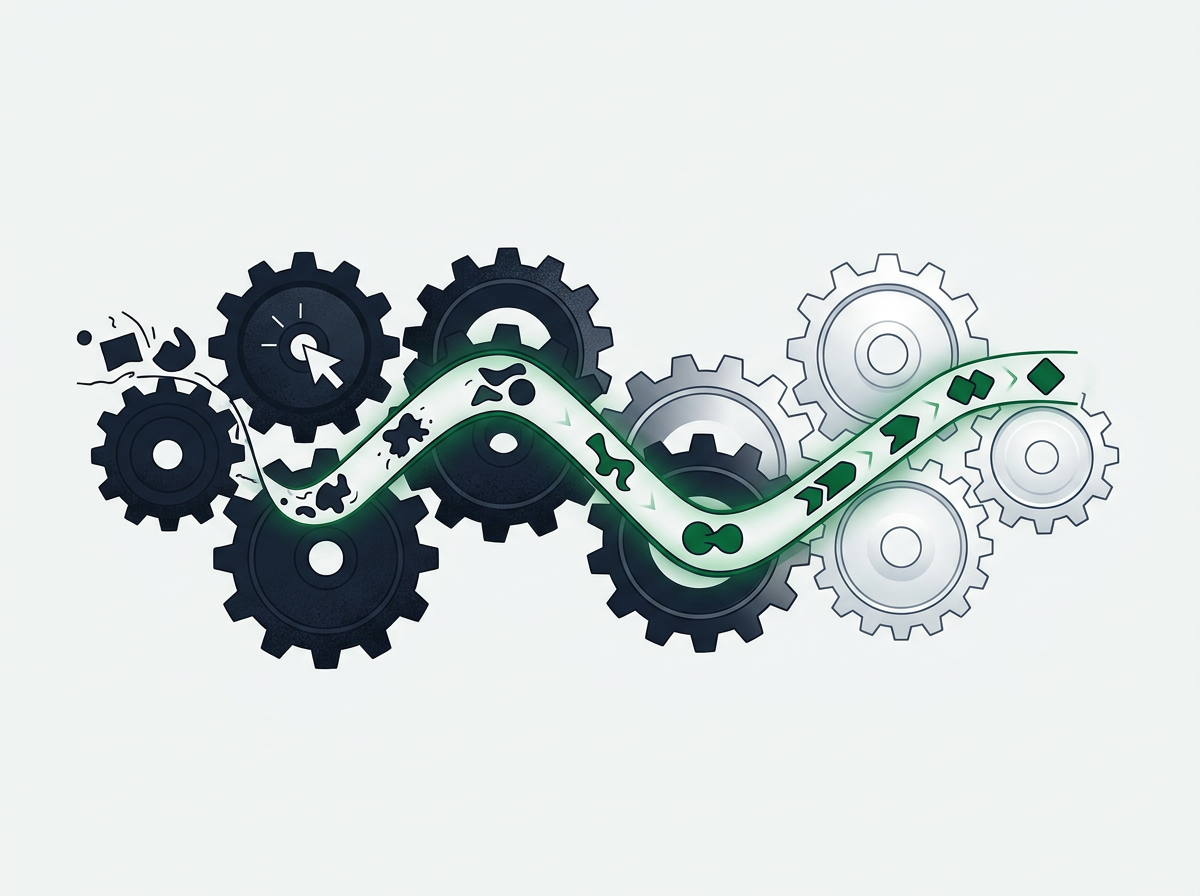
When you invest in paid acquisition for coaches and consultants, every lead represents real money. Be Known, LLC, headquartered in Knoxville, TN, serves coaches and consultants across the United States by integrating smart automation strategies that protect that investment. Without systematic follow-up, leads from your ad campaigns vanish, and your ad budget disappears with them.
Research shows that companies using marketing automation see conversion rates increase by as much as 53%. For coaches and consultants running paid campaigns, this translates directly to better return on ad spend and more predictable revenue.
Maximizing ROI from Ad Spend
Your paid acquisition campaigns generate leads at a specific cost per lead. Every prospect who doesn’t receive timely follow-up represents wasted budget. Automation ensures that each lead enters a nurturing sequence immediately, maintaining engagement while you focus on delivering client results.
The mathematics are straightforward: if you spend $50 per lead and your manual follow-up rate reaches only 40% of leads, you’re effectively paying $125 per contacted prospect. Automation changes that equation entirely by reaching 100% of leads with consistent messaging.
Delivering a Consistent, Professional Brand Experience
Manual follow-up creates inconsistency. Your Tuesday morning leads might receive prompt, enthusiastic outreach, while Friday afternoon prospects wait until Monday—or longer. Automation standardizes your brand experience, ensuring every lead receives the same professional, timely communication regardless of when they enter your funnel.
This consistency builds trust. When prospects receive appointment confirmations, reminder sequences, and valuable content exactly when promised, they perceive your business as organized and reliable—qualities that matter deeply when someone is deciding whether to invest in coaching or consulting services.
Understanding Lead Nurturing Funnels
Lead nurturing funnels map the journey from initial ad click to paying client. For coaches and consultants, this journey typically includes awareness (the ad), interest (opt-in or inquiry), consideration (discovery call or consultation), and decision (enrollment). Each stage requires different messaging and timing.
Automation enables you to deliver stage-appropriate content without manual intervention. A lead who downloads your free guide receives educational content, while someone who books a discovery call gets preparation materials and calendar reminders. The system adapts to prospect behavior automatically.
Key Tools & Technologies for Automation
Building an effective automation infrastructure requires selecting tools that integrate seamlessly and support your specific business model. The right technology stack transforms your follow-up from reactive to proactive, creating a system that works even while you sleep.
Leveraging CRM Systems for Lead Management
Customer Relationship Management (CRM) systems form the foundation of your automation strategy. Platforms like HubSpot and ActiveCampaign offer robust lead tracking, sophisticated segmentation capabilities, and personalized outreach tools designed specifically for service businesses.
A proper CRM captures every interaction a lead has with your business—which emails they opened, which pages they visited, whether they attended your webinar, and how they responded to previous outreach. This data enables intelligent automation that adapts to individual prospect behavior rather than treating everyone identically.
Modern CRMs also provide visual pipeline management, showing exactly where each prospect sits in your sales process. This transparency helps you identify bottlenecks and optimize your funnel systematically rather than relying on guesswork.
Implementing Email Marketing Platforms
Email remains the workhorse of automated follow-up for coaches and consultants. Platforms like ConvertKit and Mailchimp specialize in creating sophisticated drip campaigns that deliver the right message at the right time based on prospect actions and timeline.
According to Campaign Monitor research, automated email campaigns generate 320% more revenue than non-automated campaigns. For service businesses, this difference often determines whether a lead becomes a client or disappears to a competitor.
Effective email automation goes beyond simple time-delayed sequences. Modern platforms enable behavioral triggers—if a prospect clicks a specific link, they automatically enter a specialized sequence addressing that interest. This dynamic responsiveness creates relevance at scale.
Integrating Your Tech Stack for Seamless Operations
The power of automation multiplies when your tools communicate with each other. Integration platforms like Zapier or Make (formerly Integromat) connect your CRM, email platform, scheduling tool, payment processor, and other systems into a unified ecosystem.
When a prospect books a discovery call through your calendar tool, that action should automatically update your CRM, trigger a confirmation email sequence, send you a Slack notification, and add them to your “scheduled calls” segment. This integration eliminates manual data entry and ensures nothing falls through the cracks.
Integration also enables sophisticated automation workflows that span multiple platforms. For example, a lead who completes a paid consultation might automatically receive an invoice, a post-call survey, and entry into a proposal follow-up sequence—all without your direct involvement.
Crafting Effective Automated Follow-Up Sequences
The mechanics of automation matter less than the strategy behind your sequences. Effective follow-up automation balances persistence with value, staying top-of-mind without becoming intrusive. Your sequences should feel helpful rather than salesy, educational rather than pushy.
Designing Multi-Channel Sequences
Relying solely on email limits your reach. Research from Salesforce indicates that multi-channel campaigns engage prospects 250% more effectively than single-channel approaches. For coaches and consultants, this means combining email, SMS, voicemail, and even direct mail for high-value prospects.
Your initial sequence might start with an immediate email delivering the promised lead magnet, followed by SMS confirmation, then a series of educational emails over the next two weeks. Each channel serves a specific purpose: email for depth, SMS for urgency and reminders, voicemail for personal connection.
The key is orchestration—ensuring your channels complement rather than duplicate each other. If your email sequence discusses overcoming a specific challenge on Day 3, your SMS on Day 4 might offer a quick tip related to that challenge, reinforcing the message through a different medium.
Achieving Personalization at Scale
Automation doesn’t mean generic. Dynamic content, segmentation, and behavioral triggers enable you to deliver highly personalized messages to hundreds or thousands of prospects simultaneously. The recipient should feel like you’re speaking directly to their situation, not broadcasting to a list.
Segmentation divides your audience based on characteristics like industry, role, challenge, or stage in the buying journey. A corporate consultant might segment between C-suite executives and mid-level managers, tailoring messaging to each group’s specific concerns and decision-making authority.
Dynamic content takes personalization further by changing portions of messages based on recipient data. Your email template might include different case studies for different industries, or reference different pain points based on which lead magnet the prospect downloaded. This relevance significantly improves engagement and conversion rates.
Mapping the Client Journey for Automated Touchpoints
Before building sequences, map every touchpoint in your ideal client journey. When does someone first hear about you? What questions do they have at each stage? What objections arise? What information do they need before making a decision?
This mapping reveals automation opportunities you might otherwise miss. If prospects frequently ask about your process before booking calls, you can automate delivery of a “How We Work” video immediately after they schedule. When clients often request certain resources during onboarding, automate delivery on enrollment day.
The goal is identifying predictable moments where automated communication adds value. Not every touchpoint should be automated. Discovery calls and strategy sessions require human interaction. But many routine communications can and should be turned into systems to improve consistency and free your time.
Automating Scheduling & Onboarding for New Clients
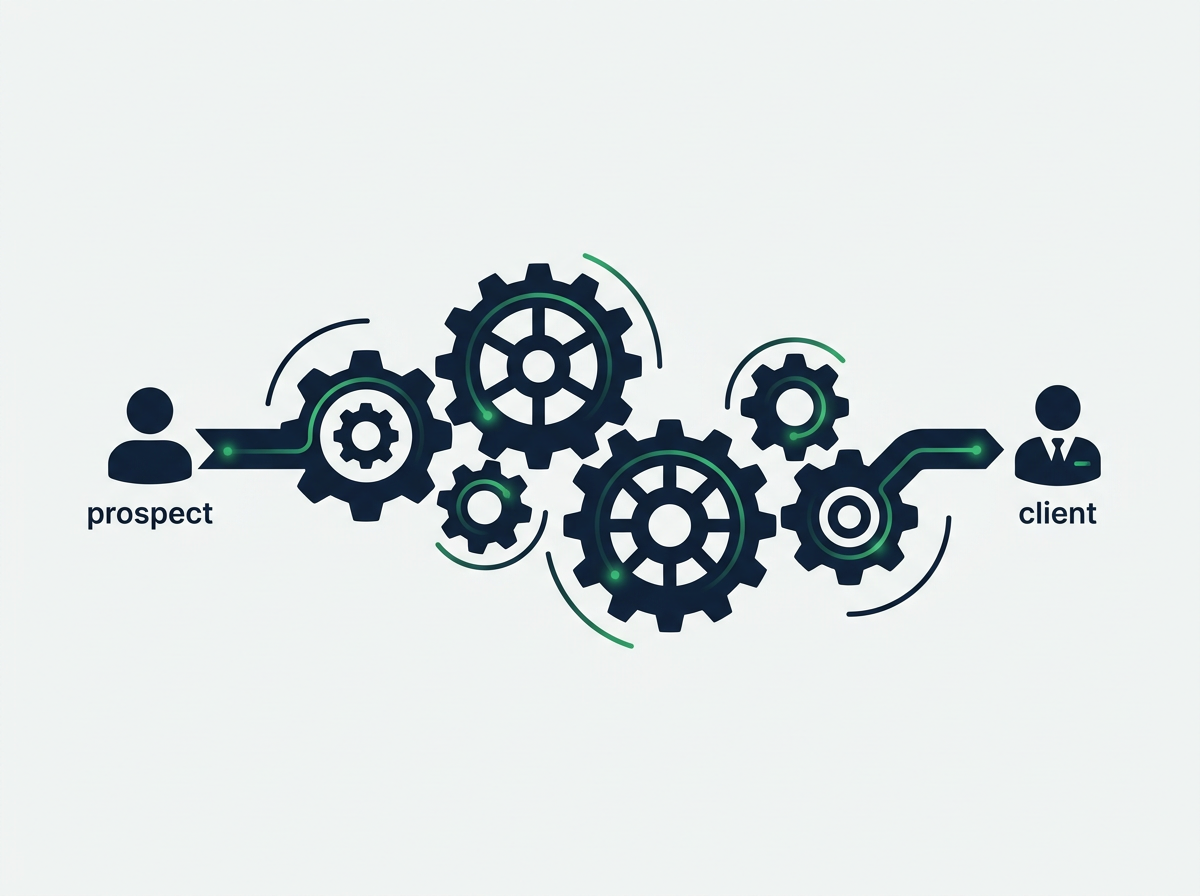
The transition from prospect to client represents a critical moment in your relationship. Automation during this phase ensures professionalism, reduces friction, and sets clear expectations while you focus on preparing to deliver exceptional results.
Utilizing Calendar Automation Tools
Calendar automation tools like Calendly and Acuity Scheduling eliminate the back-and-forth email tennis that frustrates both you and your prospects. These platforms present your real-time availability, allow prospects to self-schedule based on their preferences, and automatically handle time zone conversions and confirmation emails.
Advanced calendar automation goes beyond basic scheduling. You can set different booking rules for different meeting types, require prospects to complete intake forms before booking, send automated reminder sequences to reduce no-shows, and even route different prospect types to different team members based on their needs or value.
Integration with your paid acquisition infrastructure for coaches and consultants means scheduling data flows automatically into your CRM, triggering appropriate follow-up sequences and ensuring your sales process moves forward without manual oversight.
Implementing Automated Onboarding Sequences
New client onboarding sets the tone for your entire relationship. Automated onboarding sequences deliver welcome messages, set expectations, share essential resources, explain your process, and prepare clients for success—all before your first official session together.
A comprehensive onboarding sequence might include immediate welcome email with access credentials, a video introduction explaining what to expect, a questionnaire gathering relevant background information, scheduling links for upcoming sessions, and educational content preparing them for your methodology.
This automation serves dual purposes: clients feel supported and informed from day one, while you avoid repeating the same onboarding information manually for every new engagement. The time saved compounds as your client roster grows.
Reducing Friction in Client Conversion
Every manual step between “yes, I want to work together” and “officially a client” creates an opportunity for second thoughts or simple procrastination. Automation removes friction by making the enrollment process seamless and immediate.
When a prospect decides to move forward, automation can instantly deliver the contract for electronic signature, send the invoice or payment link, provide onboarding materials, and schedule the kickoff session. The entire process completes in minutes rather than days, capitalizing on the prospect’s decision momentum.
This speed also differentiates you from competitors. While other coaches and consultants are manually sending contracts and waiting for responses, your new client has already started their journey with you—a competitive advantage that often proves decisive.
Measuring & Optimizing Your Automation Efforts
Automation without measurement is hope without accountability. To maximize the return on your automation investment, you must track performance metrics, conduct systematic testing, and continuously refine your sequences based on actual data rather than assumptions.
Key Metrics to Track
Email open rates reveal whether your subject lines capture attention and your sender reputation remains strong. Industry benchmarks for coaching and consulting typically range from 20-25%, but your specific audience may differ. Declining open rates signal deliverability issues or content fatigue.
Click-through rates measure whether your email content compels action. Strong coaching and consulting emails typically achieve 2-5% click-through rates, though this varies significantly based on list quality and message relevance. This metric reveals whether your value proposition and calls-to-action resonate with prospects.
Conversion rates represent the ultimate measure: are your sequences turning leads into clients? Track conversion rates for each sequence and each sequence step to identify exactly where prospects engage most strongly and where they drop off. According to Invespcro research, nurtured leads produce 20% more sales opportunities than non-nurtured leads.
Time to conversion shows how long prospects typically take to become clients. This metric helps you set realistic expectations and identify whether certain segments convert faster than others. It also reveals whether your sequence timing aligns with your audience’s natural decision-making pace.
Conducting A/B Testing
A/B testing transforms guesswork into knowledge. By testing different subject lines, email copy, calls-to-action, timing, or entire sequence structures, you discover what actually works for your specific audience rather than relying on industry best practices that may not apply to your niche.
Start with high-impact tests: subject line variations on your most-sent emails, or CTA button language in your conversion emails. Even small improvements compound over time—a 10% increase in conversion rate means 10% more clients from the same ad spend.
Test one variable at a time to isolate cause and effect. If you simultaneously change the subject line, email copy, and send time, you won’t know which change drove any performance difference. Methodical, systematic testing builds reliable knowledge about what resonates with your audience.
Iterative Improvement for Higher Conversion
Optimization is never finished. Your audience evolves, market conditions change, and competitors adapt their approaches. Regular review and refinement of your automated sequences should become a scheduled part of your business operations, not a one-time setup task.
Set a quarterly automation audit where you review performance data, identify underperforming sequences, implement tests for improvement hypotheses, and update messaging to reflect current market conditions. This discipline ensures your automation remains effective rather than becoming stale.
Pay particular attention to sequence drop-off points. If prospects consistently disengage at a specific email in your sequence, that message needs attention—either the timing is wrong, the content isn’t resonating, or the ask is too aggressive for that stage of the relationship.
Common Pitfalls & How to Avoid Them
Automation done poorly creates more problems than it solves. Understanding common mistakes helps you design systems that enhance rather than damage prospect relationships and business reputation.
Over-Automation Leading to Impersonal Communication
The biggest automation mistake is eliminating all human touch. Prospects can spot robotic, impersonal communication instantly, and it undermines the trust essential for coaching and consulting relationships. Automation should handle routine communications, freeing you for meaningful personal interactions.
Build intentional human touchpoints into your sequences. Perhaps every fifth email in a nurture sequence comes directly from you with a personalized note, or high-value prospects receive a personal video message after scheduling a call. These moments of genuine personal attention stand out precisely because they’re surrounded by otherwise automated communication.
Voice and tone matter enormously in automated messages. Write as you speak, inject personality, and avoid corporate jargon. Your automated emails should sound like they came from a helpful human who happens to have excellent organizational systems, not from a marketing robot.
Neglecting Lead Segmentation
Sending identical messages to your entire database wastes the power of automation. A corporate executive evaluating strategic consulting has completely different concerns than a solo entrepreneur seeking business coaching. Generic messaging fails to resonate with either segment.
Segment based on industry, company size, role, stage in the buying journey, previous engagement, or any other meaningful differentiator. Each segment should receive messaging tailored to their specific situation, challenges, and goals. This relevance dramatically improves engagement and conversion.
Segmentation also enables you to vary intensity and channel mix. High-value enterprise prospects might receive more frequent touchpoints through multiple channels, while small-business leads get a lighter cadence focused primarily on email. Match your automation strategy to segment value and typical decision-making complexity.
Balancing Automation with Human Touch
The question isn’t whether to automate, but what to automate. Routine confirmations, educational content delivery, reminder sequences, and standard resource sharing are perfect automation candidates. Strategic advice, customized proposals, objection handling, and relationship building require human involvement.
Create clear handoff points between automation and personal outreach. Perhaps leads who engage with three or more emails automatically trigger a personal outreach task in your CRM. Or prospects who visit your pricing page but don’t book a call receive both an automated FAQ email and a personal check-in from you.
Monitor response patterns to identify when prospects are ready for human conversation. Automation can handle early-stage nurturing beautifully, but when someone repeatedly engages with your content or asks questions via email, that’s your cue to pick up the phone or send a personal video message.
Scaling Your Coaching/Consulting Business with Automation
Automation transforms your business model from trading time for money to creating systems that work continuously. This shift enables true scalability: growing revenue without proportionally increasing your hours or overhead.
Freeing Up Valuable Time
Every hour spent on routine follow-up is an hour not spent on service delivery, strategic planning, content creation, or business development. Automation reclaims this time, allowing you to focus on activities that genuinely require your expertise and generate the highest value.
Calculate your effective hourly rate, then audit how much time you currently spend on tasks automation could handle. The mathematics are often shocking—coaches billing $300/hour might spend 10 hours weekly on follow-up, representing $3,000 in weekly opportunity cost or $156,000 annually.
This freed time creates options: serve more clients at your current capacity, raise rates by improving service depth, develop new offerings, or simply achieve better work-life balance. Automation doesn’t just make you more efficient; it makes new business models possible.
Expanding Your Reach and Capacity
Manual follow-up creates a hard ceiling on how many leads you can effectively nurture. Automation removes that ceiling, enabling you to run larger paid acquisition campaigns, serve broader geographic markets, and test new audience segments without overwhelming your capacity.
This scalability is particularly valuable for coaches and consultants using paid acquisition, where campaign success often requires increasing ad spend to capture market share. Without automation to handle the resulting lead volume, growth becomes self-limiting.
Automation also enables you to maintain consistent follow-up quality regardless of lead volume. Whether you generate 10 leads this month or 100, each receives the same professional, timely nurturing sequence. This consistency protects your conversion rates even as you scale.
Be Known’s Approach to Scalable Paid Acquisition
Be Known, LLC integrates automation strategy into every paid acquisition campaign we design for coaches and consultants. We recognize that generating leads without proper follow-up systems wastes client budgets and creates frustration rather than growth.
Our approach begins by mapping your client journey and identifying automation opportunities before launching ad campaigns. This ensures the infrastructure to nurture leads exists before those leads arrive. We then help implement and optimize automated sequences that align with your service model and brand voice.
The result is a complete system where paid acquisition feeds automated nurturing that converts to discovery calls that close into clients—all with minimal ongoing manual intervention. This systematic approach enables sustainable, profitable growth for coaching and consulting businesses nationwide.
Keep reading: see all of our client acquisition guides, or talk with us about your own setup.
FAQs
Why is automating follow-up essential for coaches and consultants using paid ads?
Automating follow-up is crucial for coaches and consultants running paid ads because it ensures no lead from your investment goes cold. It maximizes your ad spend ROI by consistently nurturing prospects, moving them efficiently through your sales funnel, and converting them into paying clients, even while you focus on service delivery.
What are the best tools for automating client follow-up?
Effective tools include CRM systems like HubSpot or ActiveCampaign for lead management, email marketing platforms such as ConvertKit or Mailchimp for drip campaigns, and scheduling software like Calendly. Integrating these tools helps create a seamless, automated journey for prospects, ensuring timely and relevant communication without manual oversight.
How can automation enhance the client experience for coaches?
Automation enhances the client experience by providing consistent, timely, and personalized communication. From automated appointment reminders to onboarding sequences and resource delivery, it ensures clients feel supported and informed throughout their journey. This professionalism builds trust and allows coaches to dedicate more one-on-one time to high-value interactions.
Can automation be too impersonal for a coaching or consulting business?
While automation can feel impersonal if not implemented thoughtfully, it doesn’t have to be. Strategic automation uses segmentation and dynamic content to deliver highly relevant messages. It frees up your time to focus on genuine, high-touch interactions when they matter most, creating a powerful blend of efficiency and personal connection.
How does Be Known, LLC help coaches and consultants with follow-up automation?
Be Known, LLC, headquartered in Knoxville, TN, but serving coaches and consultants nationwide, specializes in integrating robust follow-up automation strategies into paid acquisition campaigns. We map your client journey, identify automation opportunities, and implement systems that nurture leads consistently while aligning with your brand voice and service model for sustainable growth.
Ready to transform your lead follow-up from manual bottleneck to automated revenue engine? Be Known, LLC designs comprehensive paid acquisition and automation systems specifically for coaches and consultants who want to scale profitably. Schedule your strategy session today and discover how automation can multiply your conversion rates while freeing your time for the high-value work only you can do.
Sources & references