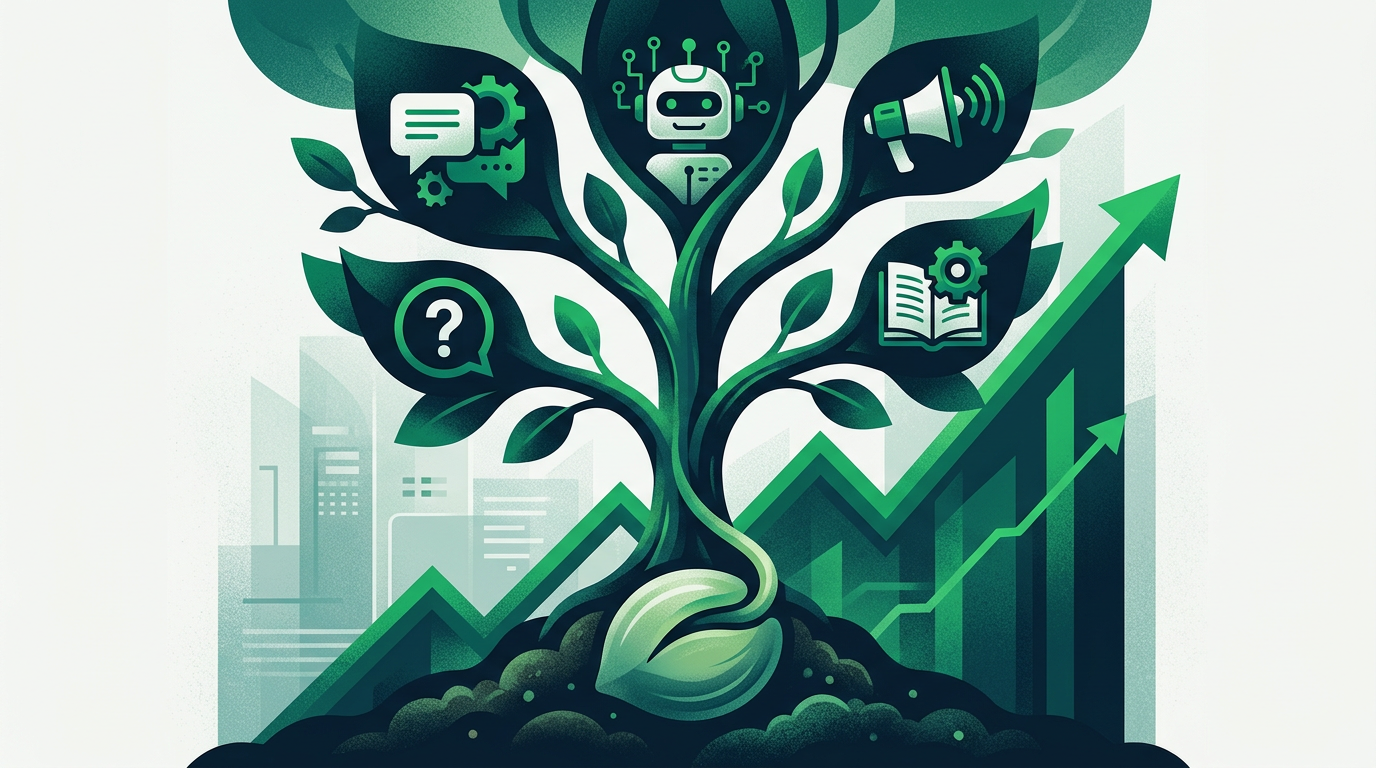

The ROI of Retention: Why Automation Matters for Paid Acquisition
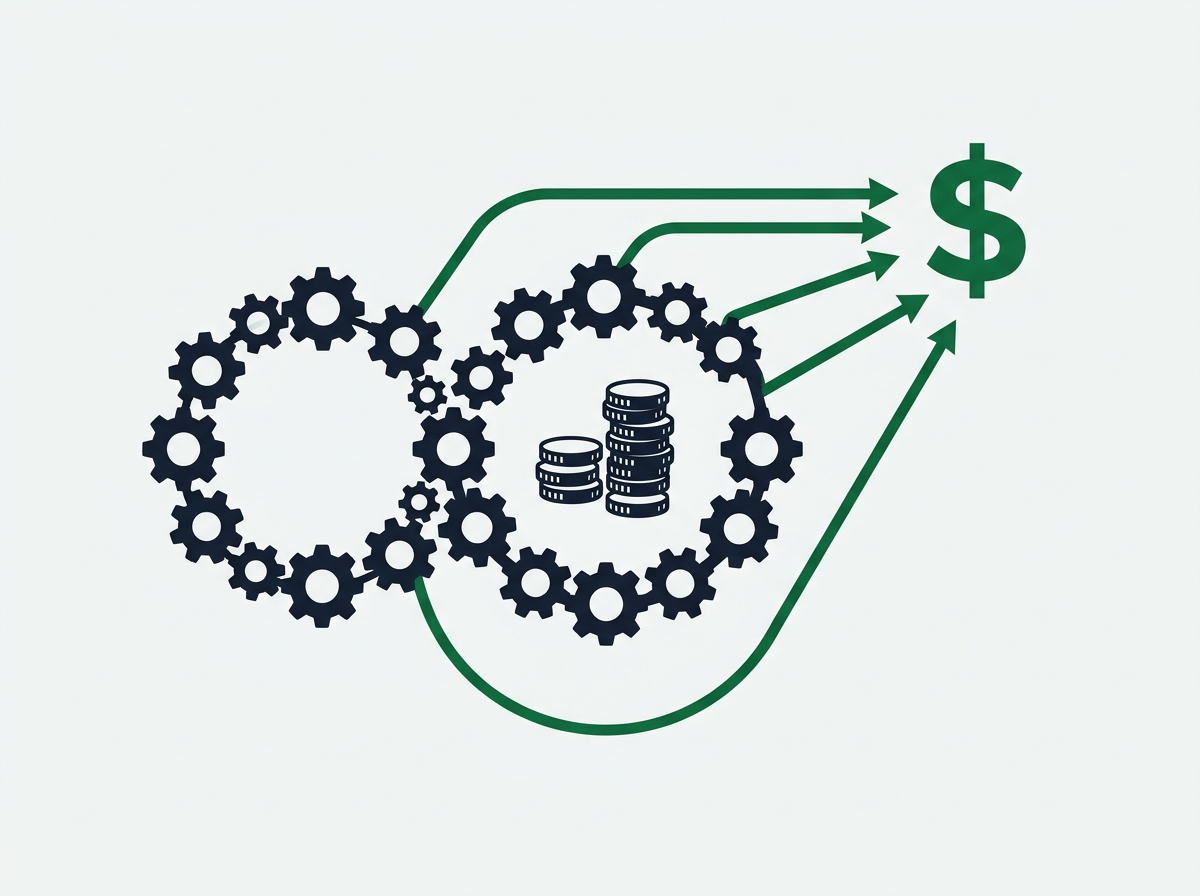
Automated client retention systems directly boost lifetime value (LTV) and return on ad spend (ROAS) by ensuring that every dollar invested in acquiring new clients translates into long-term, recurring revenue. For coaches and consultants, retention is the multiplier that transforms one-time buyers into loyal advocates who renew, upgrade, and refer.
Be Known, LLC, headquartered in Knoxville, TN, serves coaches and consultants across the United States by integrating paid acquisition for coaches and consultants with robust retention automation. When acquisition and retention work in concert, businesses achieve sustainable growth rather than a revolving door of transient clients.
Consider the economics: acquiring a new client costs five to twenty-five times more than retaining an existing one, according to Invesp research. Yet many coaching and consulting practices pour budget into ads without a system to keep clients engaged post-sale. This leaky-bucket approach erodes profitability and forces continual prospecting just to maintain revenue.
Connecting Retention to Lifetime Value
Lifetime value tracks the total revenue one client brings in across your entire working relationship. Better retention pushes LTV higher, often doubling or tripling, because clients renew their contracts, buy more services, and stick around longer in your world.
Automation accelerates this dynamic by delivering timely touchpoints without manual effort. Onboarding sequences, milestone check-ins, and renewal reminders run on autopilot, ensuring no client feels neglected. A Bain & Company study found that increasing customer retention rates by just 5% can increase profits by 25% to 95%, underscoring the financial leverage of systematic retention.
Reducing Effective Customer Acquisition Cost
Every retained client lowers your effective customer acquisition cost (CAC) because the initial investment is amortized over a longer revenue stream. If a coach spends $500 to acquire a client who churns after one month, the CAC remains $500. But if automation helps that client stay for twelve months, the effective monthly CAC drops to roughly $42—a tenfold improvement.
This math transforms paid acquisition from a cost center into a growth engine. Coaches and consultants who master retention can afford to bid more aggressively on high-intent keywords and audiences, knowing that back-end automation will convert those leads into enduring relationships.
Core Automated Systems That Drive Client Loyalty
Building a retention-focused tech stack requires selecting tools that handle repetitive, high-touch tasks while preserving the human elements clients value. The goal is to free your calendar for strategic coaching while ensuring every client receives consistent, personalized communication.
Onboarding Sequences
First impressions set the tone for the entire client journey. An automated onboarding sequence delivers welcome emails, schedules kickoff calls, and shares resources in a structured cadence. Clients feel guided rather than abandoned, reducing early-stage churn.
Effective onboarding sequences include:
- A welcome video from you explaining what to expect in the first 30 days
- Calendar invitations for initial strategy sessions or group calls
- Access credentials to learning portals, Slack communities, or private content libraries
- Quick-win assignments that generate momentum and early results
These touchpoints run automatically via email marketing platforms like ActiveCampaign or ConvertKit, integrated with scheduling tools such as Calendly. The result: every new client experiences a polished, repeatable journey that builds confidence and engagement from day one.
Milestone Celebrations and Progress Tracking
Clients who see real progress stick around. Automated milestone emails, triggered by finished modules, session counts, or hitting revenue targets, remind clients why your program works and let you celebrate their wins together.
For example, when a client completes 25% of a course or hits their first $10,000 revenue month, an automated email acknowledges the achievement and suggests the next step. This pattern of recognition keeps motivation high and ties outcomes directly to your coaching.
Proactive Support and Check-In Campaigns
Radio silence kills retention. Clients who feel forgotten leave, even when they’re happy with your work. Automated check-in campaigns at 30, 60, and 90 days ask for feedback, spot roadblocks, and share helpful resources before minor frustrations turn into cancellations.
A simple “How’s everything going?” email with a one-click satisfaction survey can flag at-risk clients for personal outreach. Pairing this with a Slack or community notification ensures you intervene quickly when engagement drops.
Renewal and Upsell Workflows
Renewals should never surprise clients. Automated workflows that begin 60 days before contract expiration remind clients of upcoming decisions, showcase results achieved, and present upgrade options. This proactive approach converts renewals into natural next steps rather than awkward sales conversations.
Upsell triggers watch for behavior like finishing a course or joining bonus sessions, then automatically pitch premium tiers, one-on-one add-ons, or mastermind spots. These offers land when clients are already engaged, so they convert far better than random cold pitches.
Building Your Retention Stack: Tools and Integrations
No single tool delivers end-to-end retention automation. Instead, coaches and consultants assemble a stack of specialized platforms that communicate through integrations, creating seamless client experiences without manual data transfer.
Email Marketing and CRM Platforms
Your email platform is the central nervous system of retention automation. Tools like ActiveCampaign, HubSpot, or Keap support tagging, segmentation, and conditional logic, allowing you to trigger sequences based on client behavior, purchase history, or engagement levels.
CRM functionality tracks every interaction, ensuring no client falls through the cracks. When a client opens an email but doesn’t click, an automated follow-up can adjust messaging. When a tag indicates low engagement, a personal check-in task appears on your calendar.
Scheduling and Calendar Tools
Automated scheduling eliminates the back-and-forth of finding meeting times. Calendly, Acuity Scheduling, or SavvyCal integrate with your CRM to book onboarding calls, milestone reviews, and renewal discussions without manual coordination.
Conditional routing sends VIP clients to your personal calendar while directing others to team members or group sessions. Post-booking automations send preparation guides, pre-call surveys, and Zoom links, maximizing the value of every scheduled interaction.
Community and Engagement Platforms
Private communities on Slack, Circle, or Kajabi foster peer support and ongoing engagement between coaching sessions. Automated welcome messages, role assignments, and content drops keep these spaces active without requiring constant moderation.
Gamification tactics like points for participation and badges for milestones tap into people’s natural drive and spark friendly competition. Your CRM integration sends recognition emails when members cross engagement thresholds, which keeps community value front and center.
Analytics and Reporting Dashboards
Retention automation only works if you measure outcomes. Dashboards in Google Data Studio, Tableau, or your CRM’s native analytics track key metrics:
| Metric | What It Reveals |
|---|---|
| Monthly Recurring Revenue (MRR) | Tracks predictable income and growth trajectory |
| Churn Rate | Percentage of clients canceling each month |
| Net Promoter Score (NPS) | Client satisfaction and likelihood to refer |
| Engagement Score | Composite metric of email opens, logins, and session attendance |
Automated alerts notify you when churn spikes or engagement dips, enabling rapid intervention. Over time, these insights inform content adjustments, coaching tweaks, and acquisition targeting.
Implementing Retention Automation: A Phased Approach
Launching retention automation all at once overwhelms both you and your clients. A phased rollout allows testing, refinement, and gradual complexity.
Phase 1: Onboarding Foundation (Weeks 1–4)
Start with a basic onboarding sequence: welcome email, access credentials, first call scheduling, and a 7-day quick-start guide. Use a simple email platform and manual calendar booking if necessary. The goal is establishing a repeatable first-week experience.
Measure completion rates for each step. If clients stall at the scheduling stage, adjust email copy or add SMS reminders. Iterate until 80% or more of new clients complete onboarding within the first week.
Phase 2: Engagement and Milestone Tracking (Weeks 5–8)
Layer in milestone emails and engagement triggers. Tag clients based on course progress, call attendance, or community activity. Set up automated check-ins at 30 and 60 days, inviting feedback and offering support.
Introduce a simple NPS survey via Typeform or SurveyMonkey, triggered automatically after the first month. Responses segment clients into promoters (9–10), passives (7–8), and detractors (0–6), guiding personalized follow-up.
Phase 3: Renewal and Upsell Workflows (Weeks 9–12)
Build renewal sequences that begin 60 days before contract expiration. Include progress summaries, testimonials from peers, and clear calls to action. For monthly subscriptions, trigger upsell offers after three consecutive payments or completion of foundational content.
Test different angles in your messaging: results-focused, community-focused, urgency-driven. Track which ones convert best. The winners become evergreen workflows that keep running on autopilot.
Phase 4: Advanced Personalization and Predictive Outreach (Ongoing)
As your data grows, implement predictive churn scoring based on engagement patterns. Clients who miss two consecutive calls, stop logging in, or ignore three emails in a row receive escalated outreach—automated task creation for your team or direct SMS check-ins.
Dynamic content blocks in emails personalize messaging by client segment, industry, or progress level. A coach working with both solopreneurs and agency owners can deliver tailored advice within a single campaign, increasing relevance and response rates.
Measuring Success: Key Retention Metrics for Coaches and Consultants
Effective retention automation requires disciplined measurement. These metrics reveal whether your systems are driving loyalty or merely adding busywork.
Churn Rate and Its Inverse, Retention Rate
Churn rate is the percentage of clients who cancel in a given period. For subscription coaching, calculate monthly churn by dividing cancellations by total active clients at period start. A healthy coaching practice maintains monthly churn below 5%; elite programs achieve 2% or lower.
Retention rate, which is simply 100% minus churn, tells the complementary story. ProfitWell data shows that SaaS companies (a useful proxy for subscription coaching) with retention rates above 95% grow exponentially faster than peers below 90%. The reason is simple: compounding client bases amplify every acquisition dollar.
Customer Lifetime Value (LTV) and LTV:CAC Ratio
Calculate LTV by multiplying average monthly client value by average retention months. If a client pays $500/month and stays 18 months, LTV equals $9,000. Compare this to your customer acquisition cost—if CAC is $1,500, your LTV:CAC ratio is 6:1, indicating strong unit economics.
Automation improves both sides of this ratio: lower CAC through better-targeted paid acquisition campaigns, and higher LTV through longer retention. Aim for an LTV:CAC ratio of at least 3:1; best-in-class coaching businesses exceed 5:1.
Net Promoter Score (NPS) and Referral Rate
NPS asks clients, “On a scale of 0 to 10, how likely are you to recommend us?” Promoters (9–10) generate organic referrals and positive reviews; detractors (0–6) risk public criticism and churn. Track NPS quarterly and correlate scores with retention—promoters typically renew at 90%+ rates, while detractors churn within months.
Referral rate measures the percentage of new clients acquired through existing client recommendations, capturing retention’s second-order effects. When satisfied clients become evangelists, your effective CAC drops because referred leads convert at higher rates and cost less to acquire.
Engagement Metrics: Logins, Opens, and Participation
Leading indicators of churn include declining engagement. Track weekly login rates to learning portals, email open rates for key campaigns, and attendance at live sessions. Clients whose engagement drops by 50% over two weeks face 3x higher churn risk.
Automated alerts based on these thresholds enable proactive intervention. A quick personal call often re-engages at-risk clients before they mentally check out.
Overcoming Common Retention Automation Pitfalls
Automation isn’t a silver bullet. Poorly designed systems feel impersonal, overwhelming, or tone-deaf, accelerating churn instead of preventing it. Avoid these traps.
Over-Automation: When Clients Feel Like Numbers
If every interaction is automated, clients sense the absence of human care. Balance sequences with personal touchpoints—handwritten welcome cards, surprise Loom videos, or unscheduled check-in texts. High-touch moments punctuate automated workflows, reminding clients they’re valued individuals.
Schedule monthly “white-glove” calls with top clients outside any automation. These unstructured conversations uncover insights no survey can capture and deepen loyalty in ways no workflow replicates.
Inconsistent Messaging Across Channels
When email, Slack, and SMS messages contradict each other, or worse, duplicate the same information, clients lose confidence in your systems. Centralize your messaging strategy in a shared content calendar so each channel complements the others instead of competing for attention.
Use CRM tags to prevent message overlap. If a client receives a renewal email, suppress the generic check-in scheduled for the same week. Thoughtful orchestration respects attention and reinforces professionalism.
Ignoring Feedback Loops
Automation generates mountains of data: open rates, click rates, survey responses. But data without action is just waste. Schedule monthly reviews of your engagement dashboards to identify which sequences perform well and which confuse clients.
Solicit direct feedback through exit interviews with churned clients. Their honest critiques reveal gaps automated metrics miss, informing both service improvements and communication adjustments.
Neglecting Mobile Optimization
Over 60% of emails are opened on mobile devices, according to Campaign Monitor data. Onboarding documents, course content, and survey forms must render flawlessly on smartphones. Test every automated email and landing page on iOS and Android before launching.
Short paragraphs, large buttons, and minimal scrolling improve mobile engagement. A frustrated client who can’t access onboarding materials from their phone is an at-risk client.
Integrating Retention Automation with Paid Acquisition Strategy
Retention automation doesn’t operate in isolation; it multiplies the effectiveness of every acquisition channel. When paid acquisition for coaches and consultants feeds into a retention-optimized funnel, the entire business model shifts from transactional to relational.
Aligning Messaging: Acquisition Promises Meet Retention Delivery
Ad copy, landing pages, and sales calls make promises about transformation, support, and outcomes. Retention automation must fulfill those promises immediately and consistently. If your ads emphasize “weekly group coaching,” ensure onboarding sequences confirm session times and send calendar invites within 24 hours of purchase.
Misalignment breeds buyer’s remorse and rapid churn. Map every acquisition claim to a corresponding automated touchpoint, verifying that clients experience what they were sold.
Segmenting by Acquisition Source for Personalized Journeys
Clients acquired via Instagram ads may have different expectations than those from LinkedIn or referrals. Tag clients by acquisition channel in your CRM, then tailor onboarding sequences accordingly. Instagram-sourced clients might appreciate visual, story-driven content; LinkedIn clients may prefer data-heavy case studies.
This segmentation also informs retention strategies. If webinar attendees churn faster than discovery-call clients, investigate whether webinar messaging overpromises or whether those clients need different onboarding support.
Optimizing Ad Spend Based on Retention Cohorts
Track LTV and retention rate by acquisition cohort—month, campaign, or creative. If February’s Facebook ads produced clients with 20-month average tenure while March’s Google ads yielded 10-month tenures, shift budget toward the higher-LTV channel.
This feedback loop transforms acquisition from a blind investment into a precision instrument. Retention data reveals which traffic sources and messaging angles attract clients predisposed to long-term commitment.
Case Study Framework: Retention Automation in Action
While specific client stories require careful sourcing, the general framework illustrates how coaches and consultants deploy these systems for measurable results.
The Challenge: High Acquisition Cost, Low Client Tenure
A hypothetical business coach spends $2,000 per month on Facebook ads, generating 10 new clients monthly at a $200 CAC. Average client tenure is 3 months, yielding $1,500 per client in revenue ($500/month × 3 months). With $15,000 in monthly client revenue and $2,000 in ad spend plus $3,000 in operational costs, net profit is $10,000—respectable but not scalable.
The Intervention: Layering Retention Automation
The coach implements onboarding sequences, milestone celebrations, and 60-day renewal workflows. New clients receive structured guidance, feel supported through automated check-ins, and see clear progress markers. Engagement rises, and average tenure extends to 7 months.
The Outcome: Doubled Profit Through Longer Tenure
With 7-month tenure, each client now generates $3,500 in revenue. Monthly client base grows from 30 (10 new, 20 retained from prior months) to 60 (10 new, 50 retained) within six months as retention compounds. Revenue climbs to $30,000 monthly while ad spend and operations remain constant at $5,000, doubling net profit to $25,000.
The LTV:CAC ratio improves from 7.5:1 ($1,500 ÷ $200) to 17.5:1 ($3,500 ÷ $200), making aggressive acquisition economically viable. The coach can now bid higher on competitive keywords, expand into new ad channels, and still maintain superior margins.
Advanced Strategies: Predictive Churn Models and Proactive Retention
As your retention data matures, machine learning and predictive analytics unlock proactive interventions before clients consciously decide to leave.
Building a Churn Risk Score
Aggregate engagement signals like email opens, login frequency, session attendance, and community posts into a composite churn risk score. Clients scoring below your threshold (for example, 40 out of 100) should trigger escalated outreach: personalized video messages, one-on-one check-ins, or bonus resources.
Tools like ChurnZero or native CRM scoring in HubSpot automate this process, updating risk scores daily and alerting your team to at-risk clients. Early intervention often resolves issues like technical confusion, unmet expectations, or life changes that would otherwise lead to silent churn.
Win-Back Campaigns for Churned Clients
Not every cancellation is permanent. Automated win-back sequences, launched 30–90 days post-churn, invite former clients to return with updated offers, new content, or revised pricing. Acknowledge their departure respectfully and highlight improvements since they left.
Win-back rates of 10–20% are common for service businesses, and returning clients often exhibit higher loyalty the second time around. These campaigns cost virtually nothing to automate yet recover revenue that would otherwise remain lost.
Loyalty Tiers and Gamified Progression
Structure your coaching programs with visible tiers like Starter, Growth, and Elite, each offering additional benefits as clients advance. Automated progression emails congratulate clients when they hit milestones that qualify them for upgrades, creating aspirational goals that naturally extend how long they stay with you.
Gamification elements like badges, leaderboards, and progress bars tap into behavioral psychology in powerful ways. Clients nearing a milestone are far less likely to churn because they want to “complete” the current level. This design principle, borrowed from gaming and fitness apps, works just as well in coaching environments.
Scaling Retention Automation Across Teams
Solo coaches can implement retention automation with minimal tools. But as practices grow into multi-coach firms, coordination and standardization become essential.
Documenting Standard Operating Procedures (SOPs)
Every automated sequence, tag trigger, and escalation rule should live in a shared SOP library. Tools like Notion, Trainual, or Google Docs house these workflows, ensuring team members execute retention strategies consistently regardless of who manages a client relationship.
Include screenshots, decision trees, and exception-handling guidelines. When a client requests a pause or reports a hardship, SOPs guide empathetic, brand-aligned responses that protect the relationship.
Assigning Ownership and Accountability
Designate a retention lead responsible for monitoring dashboards, testing new sequences, and coordinating team responses to at-risk clients. Weekly retention meetings review churn trends, engagement scores, and campaign performance, fostering a culture of proactive care.
Individual coaches track their own clients’ engagement but escalate concerns to the retention lead, who deploys automation adjustments or high-touch interventions as needed.
Training on Balancing Automation with Human Touch
New team members sometimes lean too hard on automation, forgetting the power of spontaneous relationship-building. Training should emphasize when to override automation, like sending surprise birthday messages, making congratulatory calls after client wins, or writing personal notes during tough times.
Role-playing exercises simulate at-risk client scenarios, teaching coaches to recognize subtle cues that automated systems can’t detect. Technology handles scale; humans handle nuance.
Future Trends in client retention automation“>client retention automation“>client retention automation“>client retention automation“>client retention automation“>client retention automation“>client retention automation“>client retention automation“>client retention automation“>client retention automation“>client retention automation“>client retention automation“>client retention automation“>client retention automation“>client retention automation“>Client Retention Automation
Retention technology evolves rapidly, and forward-thinking coaches adopt emerging tools to maintain competitive advantage.
AI-Powered Chatbots for Instant Support
AI chatbots, integrated with platforms like Intercom or Drift, provide 24/7 answers to common client questions like access issues, scheduling changes, and resource locations, all without human involvement. Clients get immediate help, which stops small frustrations from turning into reasons to leave.
Advanced bots recognize sentiment and escalate upset clients to human team members, blending automation with empathy. As natural language processing improves, these interactions become nearly indistinguishable from live support.
Personalized Video at Scale
Tools like Vidyard and BombBomb enable mass-personalized video messages: a single recording addresses each client by name and references their specific progress or milestone. This hybrid of automation and personalization deepens connection without scaling your calendar linearly.
Automated video triggers for events like course completion, renewal reminders, and re-engagement nudges deliver high-impact touchpoints that feel custom-crafted. These boost response rates and emotional engagement in ways that text alone can’t match.
Integrated Community and Content Ecosystems
Platforms like Circle and Mighty Networks combine community, courses, and communication in unified experiences. Automated onboarding routes clients into relevant discussion threads, drip-feeds content aligned with their progress, and triggers peer introductions based on shared goals.
These ecosystems reduce churn by increasing switching costs—not through lock-in, but through genuine value accumulation. Clients who build friendships, accumulate content libraries, and earn reputation within your community are far less likely to leave.
Keep reading: see all of our business automation & systems guides, or talk with us about your own setup.
FAQs
What is client retention automation for coaches and consultants?
Client retention automation uses software tools to deliver consistent, personalized touchpoints like onboarding sequences, milestone celebrations, and renewal reminders without manual effort. These systems keep clients engaged, supported, and progressing toward their goals, reducing churn and increasing lifetime value by making sure no client feels neglected or forgotten.
How does retention automation improve ROI on paid acquisition?
By extending average client tenure, retention automation increases lifetime value (LTV) while your customer acquisition cost (CAC) remains fixed. A client who stays twice as long generates twice the revenue from the same acquisition investment, doubling your LTV:CAC ratio and making aggressive ad spending economically sustainable for long-term growth.
Which tools are essential for retention automation?
Start with an email marketing platform (ActiveCampaign, HubSpot, ConvertKit) for sequences and CRM functionality. Add scheduling tools (Calendly, Acuity) for frictionless booking, a community platform (Slack, Circle) for ongoing engagement, and analytics dashboards to track churn rate, engagement scores, and net promoter score (NPS) over time.
How do I measure if my retention automation is working?
Track monthly churn rate (target below 5%), customer lifetime value (LTV), LTV:CAC ratio (aim for 3:1 or higher), net promoter score (quarterly), and engagement metrics like login frequency and email open rates. Set automated alerts when key metrics decline, enabling rapid intervention before small issues compound into cancellations.
Can small coaching practices benefit from retention automation?
Absolutely. Even solo coaches benefit tremendously by automating repetitive touchpoints like welcome emails, resource delivery, and check-in surveys. This frees up time for high-value coaching while ensuring every client receives consistent support. Start with simple onboarding sequences and expand as your practice grows, adding complexity only when your data tells you it’s necessary.
What’s the biggest mistake coaches make with retention automation?
Over-relying on automation at the expense of human connection. Clients sense when every interaction is templated and impersonal. Balance automated workflows with surprise personal touches: handwritten notes, unscheduled calls, custom videos. Make sure technology amplifies genuine care rather than replacing it. Automation handles scale, humans handle relationship depth.
How long does it take to see results from retention automation?
Early wins appear within 30–60 days as onboarding sequences reduce confusion and improve first-month engagement. Meaningful retention improvements, like lower churn and higher LTV, compound over 6–12 months as longer-tenured clients accumulate. Measure quarterly to capture trends, but expect iterative refinement as you learn which sequences resonate with your specific audience.
Does retention automation work for group coaching programs?
Yes, group programs benefit immensely. Automated community onboarding, milestone recognition, and peer introductions foster connection among cohort members, increasing accountability and reducing isolation. Group coaching churn often stems from feeling invisible; automation ensures every participant receives acknowledgment and support, even in large cohorts where individual attention is limited.
Ready to transform your coaching or consulting practice with retention systems that amplify every acquisition dollar? Be Known, LLC specializes in integrating paid acquisition for coaches and consultants with automated retention strategies designed for sustainable growth. From onboarding sequences to predictive churn models, we’ll help you build a client experience that turns one-time buyers into lifelong advocates. Start your retention transformation today and unlock the full potential of your client base.
Sources & references
- Invesp research — invespcro.com
- Bain & Company study — bain.com
- Campaign Monitor data — campaignmonitor.com