

Unlock Growth: Eliminating Operational Bottlenecks for Coaches & Consultants
Operational bottlenecks can severely hinder the growth and profitability of coaching and consulting businesses, directly impacting the effectiveness of paid acquisition efforts. By identifying and eliminating these inefficiencies, service providers can significantly improve client delivery, scale operations, and maximize their return on ad spend.
Understanding Bottlenecks in Service Businesses
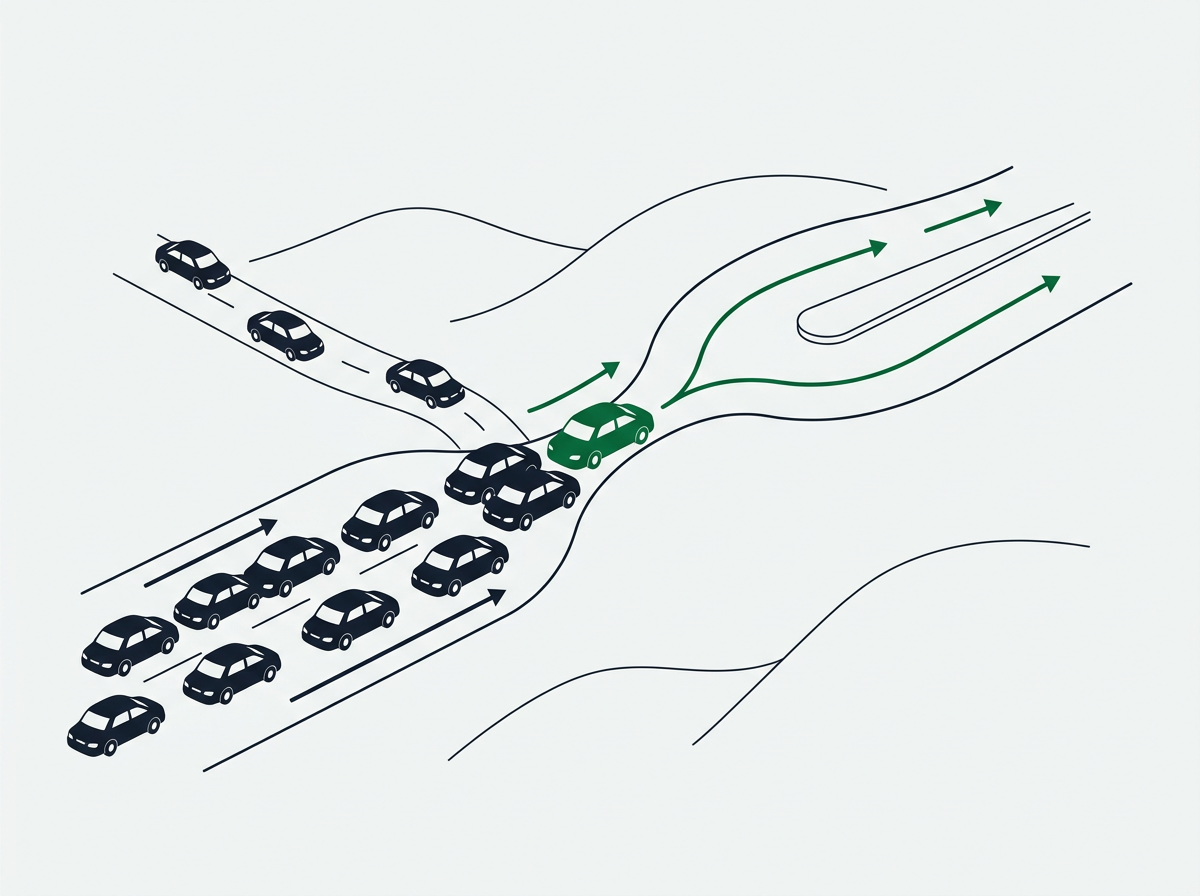
Be Known, LLC, headquartered in Knoxville, TN, understands that successful paid acquisition for coaches and consultants across the United States requires more than just compelling ad creative and strategic targeting. The foundation of sustainable growth lies in operational efficiency—the ability to handle increased lead volume without sacrificing quality or overwhelming your internal systems.
A bottleneck in a coaching or consulting business represents any constraint that limits throughput and creates delays in your client journey. These operational inefficiencies can occur at multiple touchpoints: when a prospect first engages with your brand, during the conversion and onboarding process, throughout service delivery, or even after a client completes your program. Each bottleneck compounds the previous one, creating a cascade effect that undermines your entire growth strategy.
The Hidden Cost of Inefficiency on Ad Spend
When coaches and consultants invest in paid acquisition campaigns, they expect a predictable return. However, operational bottlenecks create invisible leaks in your revenue pipeline. Consider a scenario where your Facebook or Google ads are generating qualified leads at a reasonable cost per lead, but your manual follow-up process means prospects wait 24-48 hours for a response. Research shows that lead response time dramatically impacts conversion rates—companies that contact prospects within five minutes are 100 times more likely to connect than those waiting 30 minutes.
The financial impact extends beyond lost conversions. When bottlenecks slow your client onboarding, you’re effectively reducing your capacity to serve new customers. This capacity constraint means you either turn away qualified leads (wasting ad spend) or accept them and deliver subpar service (damaging retention and referrals). Both scenarios inflate your customer acquisition cost and reduce lifetime value, making your paid acquisition efforts unsustainable over time.
Recognizing Early Warning Signs in Your Funnel
Bottlenecks rarely announce themselves with obvious symptoms. Instead, they manifest as subtle degradations in performance that coaches and consultants often attribute to external factors like market conditions or ad fatigue. Common early warning signs include declining conversion rates despite stable cost per click, increasing client onboarding times, rising support ticket volumes, and decreasing client satisfaction scores.
Another critical indicator is revenue plateau despite increased ad spending. When you scale ad budgets but revenue fails to scale proportionally, operational constraints are typically the culprit. Your marketing engine is generating demand your operations cannot fulfill efficiently. This mismatch between front-end acquisition and back-end delivery represents one of the most expensive mistakes in service business scaling.
Identifying Your Business’s Unique Bottlenecks
Every coaching and consulting business faces distinct operational challenges based on service model, target market, and growth stage. A leadership coach serving corporate executives faces different bottlenecks than a marketing consultant working with small business owners. Effective bottleneck identification requires systematic analysis rather than assumptions about where problems exist.
The identification process begins with comprehensive mapping of your client journey and internal workflows. This exercise forces you to document every step from initial ad impression through service completion and follow-up. Many coaches and consultants discover they’ve never formally mapped their operations, instead relying on institutional knowledge and ad-hoc processes that evolved organically.
Process Mapping for Client Acquisition & Delivery
Start by creating a visual representation of your entire client journey. Include every touchpoint: ad impression, landing page visit, lead magnet download, discovery call scheduling, discovery call completion, proposal delivery, contract signing, payment processing, onboarding sequence, service delivery sessions, and post-engagement follow-up. For each stage, document the responsible party, tools used, average time required, and success rate.
This mapping exercise typically reveals several categories of bottlenecks. Manual handoffs between systems create delays and potential data loss. Decision-making bottlenecks occur when a single person (often the business owner) must approve or execute every critical action. Communication bottlenecks emerge when clients or team members lack clarity about next steps or expectations. Resource bottlenecks happen when demand exceeds capacity for specific services or time slots.
One effective framework for process mapping is the SIPOC method: Suppliers, Inputs, Process, Outputs, and Customers. For a discovery call scheduling process, suppliers might include your calendar system and notification tools; inputs include lead contact information and preferences; the process involves sending a calendar link, receiving a booking, and confirming the appointment; outputs are scheduled calls and confirmation emails; customers are both the prospect and your sales process. This structured approach helps identify dependencies and failure points.
Leveraging Data to Pinpoint Pain Points
Qualitative process mapping must be complemented with quantitative data analysis. Track time-to-completion metrics for each stage of your client journey. Measure conversion rates between stages to identify where prospects drop off. Monitor resource utilization to spot capacity constraints. Collect client feedback systematically to understand their experience of your processes.
Most coaching and consulting businesses lack comprehensive tracking, but even basic data collection reveals valuable insights. Implement time-stamping in your CRM for key milestones: inquiry received, first response sent, discovery call scheduled, discovery call completed, proposal sent, contract signed, onboarding initiated, and first service session delivered. Calculate median times between each milestone to establish baseline performance and identify outliers.
Client complaints and support requests provide another rich data source for bottleneck identification. Pattern analysis of support tickets often reveals systemic issues. If multiple clients ask “What happens next?” after signing a contract, your onboarding communication is insufficient. If clients frequently miss scheduled sessions, your reminder system needs improvement. These qualitative signals, when aggregated, point directly to operational constraints affecting client experience.
Prioritizing Bottlenecks for Maximum Impact
Once you’ve identified multiple bottlenecks in your operations, the temptation is to address everything simultaneously. This approach typically fails because it spreads resources too thin and prevents meaningful progress on any single issue. Strategic prioritization ensures you tackle constraints that deliver the greatest return on improvement effort.
The fundamental prioritization criterion is revenue impact. Which bottleneck, if eliminated, would most significantly increase your ability to acquire and serve profitable clients? This question forces you to distinguish between bottlenecks that are merely annoying versus those materially constraining growth. A cumbersome internal reporting process might frustrate your team, but if it doesn’t affect client acquisition or retention, it’s lower priority than a slow contract-signing workflow that causes prospects to reconsider their purchase decision.
Impact vs. Effort Matrix for Bottleneck Resolution
A practical tool for prioritization is the impact-effort matrix, which plots each identified bottleneck on two dimensions: potential business impact (high to low) and implementation effort (high to low). This creates four quadrants. High-impact, low-effort improvements are your “quick wins”—tackle these first to build momentum and demonstrate value. High-impact, high-effort improvements are “major projects” that require planning and resource commitment but deliver transformational results.
Low-impact, low-effort improvements can be delegated or scheduled during slower periods. Low-impact, high-effort initiatives should generally be avoided unless they serve strategic purposes beyond immediate operational efficiency. For example, a complex custom software development project might have low immediate impact but position your business for long-term competitive advantage.
When applying this framework, be honest about both dimensions. Coaches and consultants often underestimate implementation effort, particularly for technology solutions that require behavior change across the organization. A new CRM system might seem like a straightforward purchase, but successful implementation requires data migration, team training, process redesign, and ongoing adoption management. Factor these “hidden” efforts into your assessment.
Strategic Prioritization for Ad Spend Optimization
For businesses investing in paid acquisition, prioritize bottlenecks that directly affect ad performance and return on ad spend. Lead response time bottlenecks should rank high because they directly impact conversion rates from ad-generated leads. Discovery call scheduling bottlenecks similarly affect how efficiently you convert interest into revenue. Service delivery bottlenecks might seem lower priority but become critical as they affect client satisfaction, testimonials, and referrals—all of which reduce future acquisition costs.
Consider the ripple effects when prioritizing. Some bottlenecks, once eliminated, enable improvements across multiple areas. Implementing a robust CRM system might address lead follow-up, pipeline visibility, client communication, and reporting simultaneously. Other bottlenecks are isolated issues with limited cascading benefits. Prioritize improvements with the broadest positive impact across your client journey and internal operations.
Also factor in the learning value of addressing specific bottlenecks. Your first major process improvement project builds organizational capability for future optimization. Sometimes it makes sense to start with a moderate-impact bottleneck if it’s a good learning opportunity that will accelerate subsequent improvements. This is particularly relevant for coaches and consultants who have never systematically optimized operations and need to develop the skills and confidence for ongoing enhancement.
Strategies for Eliminating Operational Inefficiencies
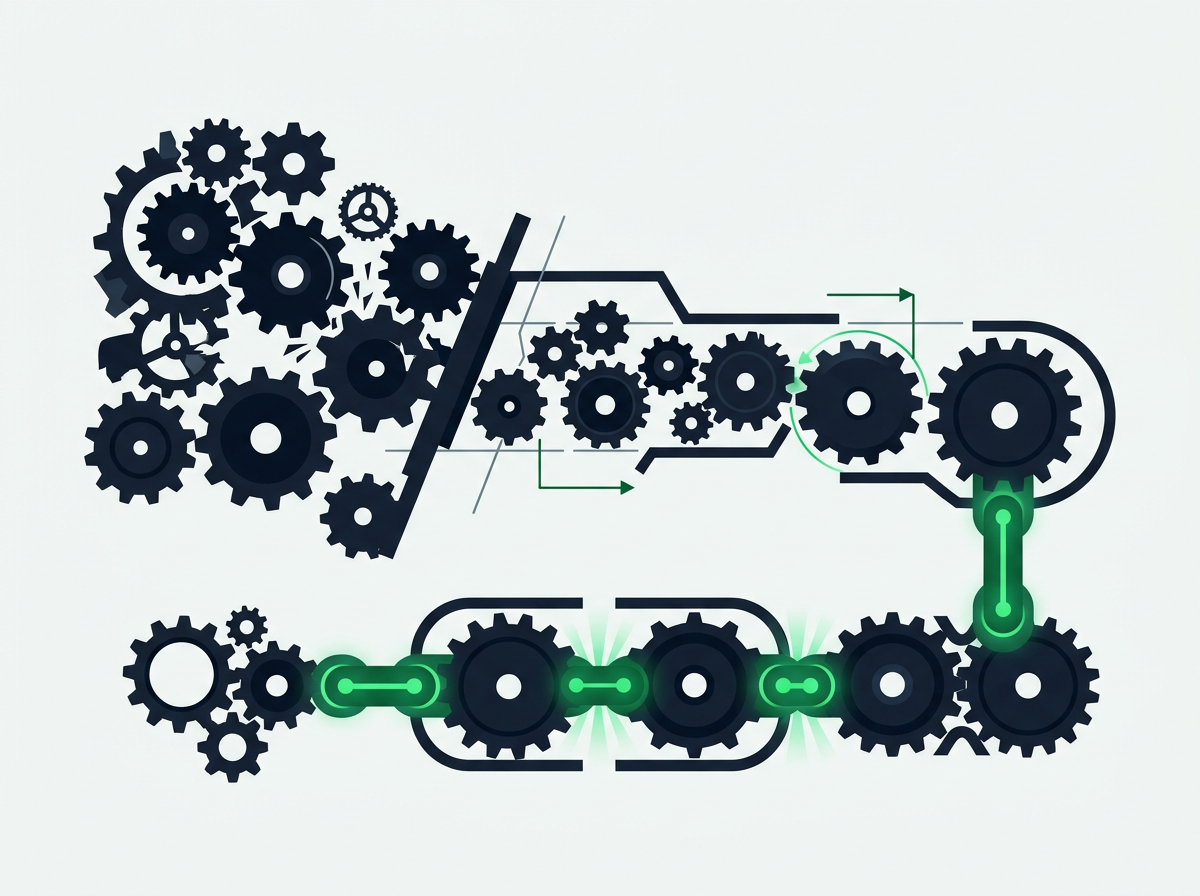
Bottleneck elimination typically follows three strategic approaches: automation, standardization, and delegation. Each strategy addresses different types of constraints, and most comprehensive solutions combine elements of all three. The key is matching the right strategy to the specific nature of each bottleneck in your operations.
Automation replaces manual, repetitive tasks with technology-driven processes. Standardization creates consistent, documented procedures that reduce variation and improve reliability. Delegation transfers work from constrained resources (typically the business owner) to other team members or external partners. Each approach has distinct benefits and implementation challenges that coaches and consultants must navigate carefully.
Automation’s Role in Scaling Paid Acquisition Funnels
Marketing automation platforms have revolutionized how service businesses handle lead nurturing and client communication. Tools like ActiveCampaign, HubSpot, or Keap enable coaches and consultants to deliver personalized communication sequences at scale without manual intervention. When a prospect downloads your lead magnet from a paid ad campaign, automation can immediately deliver the promised asset, add them to appropriate nurture sequences, notify your team, and schedule follow-up tasks—all without anyone touching the process.
The power of automation extends beyond marketing into operations. Scheduling tools like Calendly or Acuity eliminate the back-and-forth emails traditionally required to book discovery calls. Client onboarding can be automated with tools that deliver sequential content, collect necessary information, schedule kickoff sessions, and ensure clients complete prerequisite steps before their first appointment. Payment processing automation through Stripe or PayPal reduces administrative burden and accelerates cash flow.
However, automation has limits that coaches and consultants must respect. Over-automation creates impersonal experiences that damage the high-touch relationships service businesses depend on. The goal is automating routine, transactional elements while preserving human connection at high-value touchpoints. Automate appointment scheduling but personalize the discovery call. Automate payment reminders but personally check in on client progress. This hybrid approach scales efficiency without sacrificing the personal attention that differentiates your service.
When selecting automation tools, prioritize integration capability. Disconnected systems create new bottlenecks as data must be manually transferred between platforms. A CRM that integrates with your email marketing platform, calendar system, payment processor, and delivery platform creates a seamless technology ecosystem. This integration enables sophisticated workflows where actions in one system trigger appropriate responses in others without manual intervention or data entry.
Delegation & Outsourcing for Core Business Focus
Many bottlenecks in coaching and consulting businesses stem from founder dependence—the business owner serving as the constraint because too many decisions or tasks require their direct involvement. Effective delegation transfers appropriate responsibilities to team members or external partners, freeing the owner to focus on high-value activities like client delivery, business development, and strategic planning.
Successful delegation requires clear documentation of processes and decision criteria. Create standard operating procedures (SOPs) for recurring tasks that detail step-by-step execution and decision frameworks. These documents enable others to handle responsibilities without constant guidance. A well-documented lead qualification process allows a virtual assistant to screen inquiries and schedule only qualified prospects for your discovery call calendar.
Outsourcing non-core functions often delivers faster results than building internal capacity. Ad creative development, landing page design, ad account management, bookkeeping, and technical support can often be handled more efficiently by specialized providers than by generalist employees. Explore how Be Known can elevate your ad campaigns while you focus on serving clients and growing your practice.
When delegating or outsourcing, start with well-defined, bounded tasks rather than ambiguous responsibilities. “Handle all marketing” is too broad and likely to fail. “Create three Facebook ad variations per week based on our template and submit for approval by Thursday” provides clear scope and success criteria. As trust and capability build, you can expand responsibilities and reduce oversight.
Optimizing Client Onboarding & Delivery for Scale
Client onboarding represents a critical bottleneck area because it affects multiple business outcomes simultaneously: time-to-value, early engagement, satisfaction, and ultimately retention and referrals. A poorly designed onboarding experience creates confusion, delays results, and increases support burden. An optimized onboarding experience accelerates client success, reduces churn, and generates the testimonials and case studies that fuel future paid acquisition campaigns.
The paradox of onboarding is that personalization and standardization must coexist. Clients expect tailored attention that acknowledges their unique situation, yet operational efficiency requires consistent processes. The solution is structured flexibility—a core onboarding sequence that remains constant with customization points built into the framework.
From Lead to Loyal Client: A Smooth Journey
Effective onboarding begins before the contract is signed. The transition from prospect to client should feel seamless rather than disjointed. When someone says yes to your offer, they should immediately receive clear communication about next steps, timelines, and expectations. Uncertainty during this transition period creates anxiety and buyer’s remorse, potentially leading to cancellations that waste your acquisition investment.
Design your onboarding sequence to deliver early wins that reinforce the purchase decision. Within the first week, clients should experience tangible progress toward their goals. For a business coach, this might mean completing a comprehensive assessment that provides immediate insights. For a marketing consultant, it could involve delivering a preliminary audit with quick-hit recommendations. These early wins build confidence and commitment, reducing the likelihood of early churn.
Communication frequency and clarity during onboarding cannot be overstated. Many coaches and consultants front-load their onboarding with excessive information dumps that overwhelm new clients. Instead, sequence information delivery to match the client’s journey—provide what they need when they need it. Use multiple communication channels (email, video, portal) to accommodate different learning preferences and ensure message receipt.
Onboarding should establish the operational rhythms of your client relationship. If you expect clients to complete weekly assignments, establish that pattern immediately. If you use specific communication tools or portals, ensure clients are comfortable with them before they need to use them under pressure. These early habit formations prevent ongoing operational friction throughout the client engagement.
Leveraging Testimonials from Efficient Service Delivery
Service delivery consistency directly impacts the quality and quantity of testimonials you can gather for future marketing efforts. When your delivery process is efficient and reliable, clients experience predictable results and professional service—both of which make them more willing to provide testimonials and referrals. Conversely, operational chaos during service delivery creates dissatisfied clients who may achieve results but won’t enthusiastically recommend your services.
Build testimonial collection into your standardized delivery process instead of treating it as something you’ll get to later. At specific milestones (after a breakthrough session, upon completing a program phase, or when achieving a measurable result) ask for feedback systematically. Make the process easy with templates, guided questions, or video testimonial prompts. The easier you make it, the higher your response rate will be.
These testimonials become powerful assets for paid acquisition campaigns. Specific, results-focused testimonials from relatable clients provide the social proof that converts ad viewers into leads. When your operational efficiency enables consistent client success, you generate a steady stream of testimonial content that keeps your ad creative fresh and compelling. This creates a virtuous cycle where operational excellence fuels marketing effectiveness, which drives growth, which justifies further operational investment.
Measuring Success and Sustaining Efficiency
Eliminating bottlenecks is not a one-time project but an ongoing practice of continuous improvement. Markets evolve, client expectations shift, and business scale introduces new constraints. The most successful coaches and consultants build measurement and optimization into their regular business rhythms rather than addressing efficiency only when crises emerge.
Establishing the right key performance indicators (KPIs) enables early detection of emerging bottlenecks before they significantly impact business performance. These metrics should span the full client journey and internal operations, providing visibility into both client-facing outcomes and internal efficiency drivers.
KPIs for Operational Health & Ad Performance
For coaches and consultants running paid acquisition campaigns, several KPIs deserve regular monitoring. Customer acquisition cost (CAC) measures total spending required to acquire a new client, including ad spend, sales time, and onboarding resources. This metric reveals whether your acquisition efficiency is improving or degrading over time. When CAC rises despite stable ad performance, operational inefficiencies are usually consuming more resources in conversion or onboarding.
Client lifetime value (LTV) measures total revenue generated from a typical client relationship. The LTV:CAC ratio indicates business sustainability—healthy service businesses typically target ratios of 3:1 or higher, meaning each client generates at least three times their acquisition cost. When this ratio declines, either acquisition costs are rising or client value is falling, both of which often trace back to operational issues affecting conversion rates, pricing, or retention.
Time-to-value metrics track how quickly new clients achieve meaningful results from your service. Shorter time-to-value correlates with higher satisfaction, retention, and referral rates. When this metric extends, investigate whether operational bottlenecks are delaying service delivery or client engagement. Lead response time measures how quickly your team responds to new inquiries from paid campaigns—a critical operational metric that directly impacts conversion rates.
Conversion rates at each funnel stage reveal where prospects drop out of your journey. Track landing page conversion rate, discovery call booking rate, discovery call show rate, discovery call close rate, and onboarding completion rate. Declining conversion at any stage signals potential bottlenecks requiring investigation. For example, a falling discovery call show rate might indicate scheduling confirmation processes need improvement.
Building a Culture of Continuous Optimization
Sustained operational efficiency requires organizational commitment to ongoing improvement. Schedule regular operations reviews (monthly or quarterly depending on business complexity) to assess performance against KPIs, identify emerging bottlenecks, and plan improvement initiatives. These reviews should involve everyone who touches client-facing processes, not just leadership. Front-line team members often spot inefficiencies before they show up in your metrics.
Create feedback loops that capture client and team input systematically. Post-engagement surveys reveal client experience gaps. Regular team retrospectives surface internal friction points. When you treat this feedback as data rather than complaints, patterns emerge that guide optimization priorities. A single client mentioning confusion about next steps might be anecdotal; ten clients raising the same issue indicates a process gap requiring attention.
Document improvements as you implement them. Maintain a living knowledge base of standard operating procedures that evolves with your business. When you eliminate a bottleneck, update relevant documentation to reflect the new process. This documentation serves multiple purposes: onboarding new team members, maintaining consistency as you scale, and preserving institutional knowledge if team members transition out of the business.
Celebrate efficiency wins with your team to reinforce the importance of operational excellence. When a process improvement reduces client onboarding time by 30% or increases discovery call booking rates by 20%, acknowledge these achievements. This recognition builds organizational culture that values continuous improvement and empowers team members to identify and propose efficiency enhancements.
The Strategic Link Between Operations and Paid Acquisition
Understanding the relationship between operational efficiency and paid acquisition success is crucial for coaches and consultants seeking sustainable growth. Many service providers view these as separate domains—marketing drives lead generation while operations handles delivery. This siloed perspective misses the fundamental interdependence between acquisition effectiveness and operational capacity.
When your operations run smoothly, you can profitably invest more in paid acquisition because each acquired customer costs less to serve and generates more value. Efficient lead response and qualification processes mean more ad-generated leads convert to revenue. Streamlined onboarding reduces the time and resource investment per new client, allowing you to serve more customers without proportional cost increases. Excellent service delivery generates testimonials and referrals that reduce future acquisition costs while providing better ad creative assets.
Conversely, operational bottlenecks place a ceiling on your growth regardless of marketing effectiveness. You might generate abundant qualified leads from well-optimized ad campaigns, but if your intake process can only handle ten new clients per month, additional leads become wasted ad spend. You might close sales effectively, but if service delivery bottlenecks prevent you from maintaining quality beyond twenty concurrent clients, growth stalls regardless of demand.
The most sophisticated coaching and consulting businesses design their paid acquisition strategy in concert with operational capacity. They scale ad spend in alignment with their ability to serve incremental clients effectively. They use periods of operational optimization to build capacity for future growth spurts. They view marketing and operations as complementary systems that must evolve together rather than competing for resources and attention.
Ready to optimize your paid acquisition strategy? Be Known, LLC partners with coaches and consultants nationwide to develop acquisition systems that align with operational realities, ensuring your ad spend translates into sustainable business growth rather than overwhelming your delivery capacity.
Technology Stack Essentials for Operational Efficiency
Technology alone doesn’t eliminate bottlenecks. Process design and human factors matter just as much. But the right tools significantly accelerate improvement efforts and enable capabilities impossible through manual processes. Coaches and consultants should build a technology stack that addresses their specific operational challenges rather than adopting tools because they’re popular or competitors use them.
Customer relationship management (CRM) platforms serve as the operational backbone for service businesses running paid acquisition campaigns. A CRM centralizes prospect and client data, tracks interactions, manages pipeline stages, and enables team collaboration. For coaches and consultants, CRM selection should prioritize ease of use and pipeline visibility over enterprise-scale features. Solutions like Pipedrive, Copper, or HubSpot CRM offer strong capabilities without overwhelming complexity.
Marketing automation platforms handle lead nurturing, email sequencing, and campaign management. These tools integrate with your CRM to ensure seamless data flow between marketing and sales activities. Automation platforms enable sophisticated segmentation and personalization at scale, allowing you to deliver relevant content based on prospect behavior, interests, and stage in the buying journey. ActiveCampaign, ConvertKit, and Drip are popular choices among coaches and consultants for their balance of power and usability.
Scheduling tools eliminate the calendar coordination bottleneck that frustrates many service businesses. Instead of email tennis to find mutually available times, prospects and clients can view your real-time availability and book directly. Advanced scheduling tools include features like buffer times between appointments, team scheduling coordination, payment collection at booking time, and automatic confirmation and reminder sequences. Calendly, Acuity Scheduling, and SavvyCal each offer robust capabilities with different pricing and feature emphases.
Project management and client delivery platforms help coaches and consultants organize service delivery, share resources, track client progress, and facilitate communication. Rather than managing client engagements through scattered emails and documents, these platforms create structured workspaces. Depending on your service model, solutions like Notion, ClickUp, Trello, or specialized coaching platforms like Satori or Practice Better might best fit your needs.
Payment processing tools should integrate with your other systems to automate billing, reduce payment friction, and accelerate cash collection. Modern payment processors like Stripe handle subscriptions, payment plans, and one-time charges with minimal setup. Integration with your CRM and delivery platform ensures payment status automatically updates client records and triggers appropriate next steps in your workflows.
Common Implementation Pitfalls to Avoid
Even with sound strategy and appropriate tools, bottleneck elimination efforts often stumble during implementation. Awareness of common pitfalls helps coaches and consultants navigate challenges and maintain momentum through the inevitable difficulties of organizational change.
Technology over-investment represents a frequent mistake where business owners purchase sophisticated tools before establishing clear processes. A powerful CRM doesn’t help if you haven’t defined your ideal sales process. Marketing automation creates chaos if your messaging strategy is unclear. Start with process design, then select technology that supports your defined workflows rather than hoping technology will somehow create structure.
Insufficient change management causes many improvement initiatives to fail despite sound technical implementation. New processes and tools require behavior change from team members and clients. Without proper training, communication, and ongoing support, people revert to old habits even when new approaches are objectively better. Build change management into your implementation timeline—allocate time for training, expect an adoption curve, and provide coaching as people adjust to new ways of working.
Perfectionism paralyzes progress when coaches and consultants delay implementation until they’ve designed the “perfect” solution. Operational optimization is iterative—you learn by implementing, measuring results, and refining. Launch with a “minimum viable process” that addresses the core bottleneck, gather data and feedback, then enhance. This agile approach delivers faster results and reduces the risk of investing heavily in solutions that miss the mark.
Neglecting documentation ensures improvements fail to stick. When processes exist only in people’s heads, consistency suffers and knowledge leaves when team members transition. Document your improved processes as you implement them—not elaborate manuals, but clear step-by-step guides with screenshots, templates, and decision criteria. This documentation enables consistent execution, simplifies training, and preserves organizational learning.
Scaling Operations Alongside Paid Acquisition Investment
The relationship between operational capacity and paid acquisition investment requires careful calibration as your coaching or consulting business grows. Scaling too quickly overwhelms operations and damages client experience. Scaling too slowly wastes market opportunity and leaves money on the table. The optimal approach coordinates marketing investment with operational capability development.
Start by assessing your current operational capacity: how many new clients can you effectively onboard and serve per month without quality degradation? This number becomes your near-term growth constraint. Your paid acquisition investment should target lead volume that fills this capacity without exceeding it. When demand consistently approaches capacity limits, that’s your signal to invest in operational improvements that expand capacity before increasing ad spend.
Plan operational scaling in advance of marketing scaling. If you intend to double your client base over the next six months, start implementing operational improvements now. Hire and train team members before you need them. Implement automation and systems before volume demands them. Upgrade tools before current solutions break under increased load. This proactive operational investment enables confident marketing investment because you know you can deliver on what you sell.
Create operating leverage through smart delegation and systematization. Operating leverage means your capacity to serve clients increases faster than your costs. This occurs when you automate repetitive tasks, standardize delivery processes, train team members to handle routine activities, and reserve your personal involvement for highest-value interactions. High operating leverage enables profitable growth because incremental clients require less incremental cost to serve.
Start scaling your coaching or consulting business with expert paid ads that align with your operational capacity and growth goals. Be Known, LLC designs acquisition campaigns that fill your pipeline with qualified prospects at the pace your business can effectively handle, ensuring marketing investment translates into sustainable revenue growth.
Case Application: Bottleneck Elimination in Action
Consider a business coach experiencing the classic symptoms of operational bottlenecks constraining growth. She’s invested in Facebook and Google ads that generate consistent lead flow at acceptable cost per lead. Discovery calls get scheduled reliably. She closes approximately 30% of qualified prospects—a respectable rate for high-ticket coaching services. Yet her business plateaued at $25,000 monthly revenue despite having capacity and desire to grow.
Process mapping reveals the bottleneck: her client onboarding is entirely manual, requiring approximately eight hours of her personal time per new client across multiple coordination calls, document creation, and setup activities. At her close rate and lead flow, she could theoretically acquire ten new clients monthly. But the 80-hour onboarding burden is impossible to sustain alongside delivering service to existing clients. She’s implicitly capped at three to four new clients per month, creating her revenue plateau.
The solution combines automation, standardization, and delegation. She documents her ideal onboarding process, identifying which elements must be personalized versus which can be standardized. She creates an automated onboarding sequence in her CRM that delivers welcome materials, collects client information through forms, schedules the kickoff session automatically, and assigns pre-work. She records video tutorials for platform navigation rather than conducting live training calls. She hires a virtual assistant to handle administrative elements like file setup and calendar coordination.
These changes reduce her personal onboarding time from eight hours to ninety minutes per client—focused on high-value personal connection during a streamlined kickoff call. This 83% time reduction immediately expands her capacity to onboard eight to ten clients monthly without burnout. Revenue can now grow in proportion to her ad investment and close rate rather than being artificially constrained by operational capacity. The efficiency improvements cost approximately $1,500 in setup time and $500 monthly for VA support—investments quickly recouped through increased revenue from the additional clients she can now serve.
Long-Term Competitive Advantage Through Operational Excellence
Operational efficiency provides sustainable competitive advantage in the crowded coaching and consulting marketplace. While competitors can copy your positioning, pricing, or marketing messages, they cannot easily replicate well-designed operational systems built through iterative improvement and organizational learning. This operational moat protects your business and enables profitable growth.
Efficient operations enable more aggressive pricing strategies. When your delivery costs per client are lower due to automation and systematization, you can profitably serve clients at price points competitors cannot match. Alternatively, you can maintain premium pricing while delivering superior value through better client experience, faster results, or more attentive service—all enabled by operational efficiency freeing your time for high-value client interaction.
Operational excellence compounds over time through organizational learning. Each process improvement builds capability for subsequent improvements. Your team develops optimization muscles that make future enhancements faster and more effective. You accumulate documentation, systems, and refined processes that new competitors must spend years developing. This accumulated advantage creates barriers to entry that protect your market position.
The coaches and consultants who dominate their markets five years from now will be those who built operational leverage today. They invested in systems when competitors were firefighting. They documented processes when competitors were winging it. They measured and optimized when competitors were guessing. These seemingly small daily choices compound into massive competitive gaps that determine who scales profitably and who remains stuck in founder-dependent struggle.
Learn more about our tailored paid acquisition services designed for operationally mature coaching and consulting businesses ready to scale. Be Known, LLC helps efficient operators maximize their ad spend ROI by filling their systematic client acquisition and delivery processes with qualified prospects.
FAQs
How do operational bottlenecks affect my paid acquisition campaigns?
Bottlenecks directly inflate your customer acquisition cost (CAC) and reduce return on ad spend (ROAS). Inefficient lead nurturing, slow client onboarding, or poor service delivery can waste ad budget by losing prospects or clients acquired through paid efforts, ultimately hindering growth for coaches and consultants.
What are common bottlenecks for coaches and consultants using paid ads?
Typical bottlenecks include manual lead follow-up, disorganized client intake processes, inconsistent content creation for ad creatives, and a lack of clear service delivery workflows. These inefficiencies lead to missed opportunities, client dissatisfaction, and a lower conversion rate for leads generated through paid acquisition.
Can technology help eliminate bottlenecks in my service business?
Absolutely. Implementing CRM systems, marketing automation platforms, scheduling tools, and project management software can significantly streamline operations, reduce manual tasks, and ensure a smoother client journey from ad click to successful engagement. This allows coaches and consultants to scale more effectively.
How can I identify the most critical bottleneck to address first?
Start by mapping your entire client journey, from initial ad impression to service completion. Look for areas where delays, resource drains, or client complaints are most frequent. Prioritize bottlenecks that directly impact revenue or client retention, as these will yield the greatest improvement in your paid acquisition efforts.
What role does Be Known, LLC play in helping coaches with bottlenecks?
While Be Known, LLC focuses on optimizing paid acquisition strategies for coaches and consultants nationwide, we understand that internal operational efficiency is crucial for maximizing ad spend ROI. We help ensure your business is ready to convert and deliver effectively, allowing our ad strategies to perform at their peak.
After eliminating a bottleneck, how do I measure its impact on my business?
Track key metrics like client onboarding time, client retention rates, service delivery speed, and most importantly, your customer acquisition cost (CAC) and return on ad spend (ROAS). Improved efficiency should lead to better ad performance, increased client satisfaction, and overall higher profitability for your service business.
Partner with Be Known for effective ad management that complements your operational excellence. When your coaching or consulting business runs efficiently, paid acquisition campaigns deliver their full potential—converting ad spend into profitable long-term client relationships. Let’s build your growth engine together.