

Boost Cash Flow: Operational Efficiency for Coaches & Consultants
Improving operational efficiency directly enhances cash flow for coaches and consultants by streamlining processes, reducing waste, and optimizing resource allocation. By focusing on areas like client acquisition, service delivery, and financial management, businesses can achieve sustainable growth and increased profitability, especially when supported by strategic paid acquisition efforts.
For professional service providers, cash flow is the lifeblood that sustains operations and fuels expansion. The challenge many coaches and consultants face isn’t a lack of expertise or market demand—it’s the operational inefficiencies that quietly drain resources, delay revenue collection, and create unpredictable income cycles.
Be Known, LLC, headquartered in Knoxville, TN, serves coaches and consultants across the United States with proven paid acquisition for coaches and consultants strategies. Our approach combines streamlined client acquisition systems with operational best practices that transform how professional service businesses generate and manage cash flow. When you optimize both how you attract clients and how you deliver services, you create a compounding effect that accelerates profitability.
The distinction between revenue and cash flow is critical. You might have a full client roster on paper, but if invoices sit unpaid for sixty days, or if you’re spending forty hours weekly on administrative tasks that could be automated, your operational efficiency is costing you real money. This article explores the precise levers coaches and consultants can pull to tighten operations, accelerate cash conversion cycles, and build a sustainably profitable practice.
Streamlining Client Acquisition & Onboarding
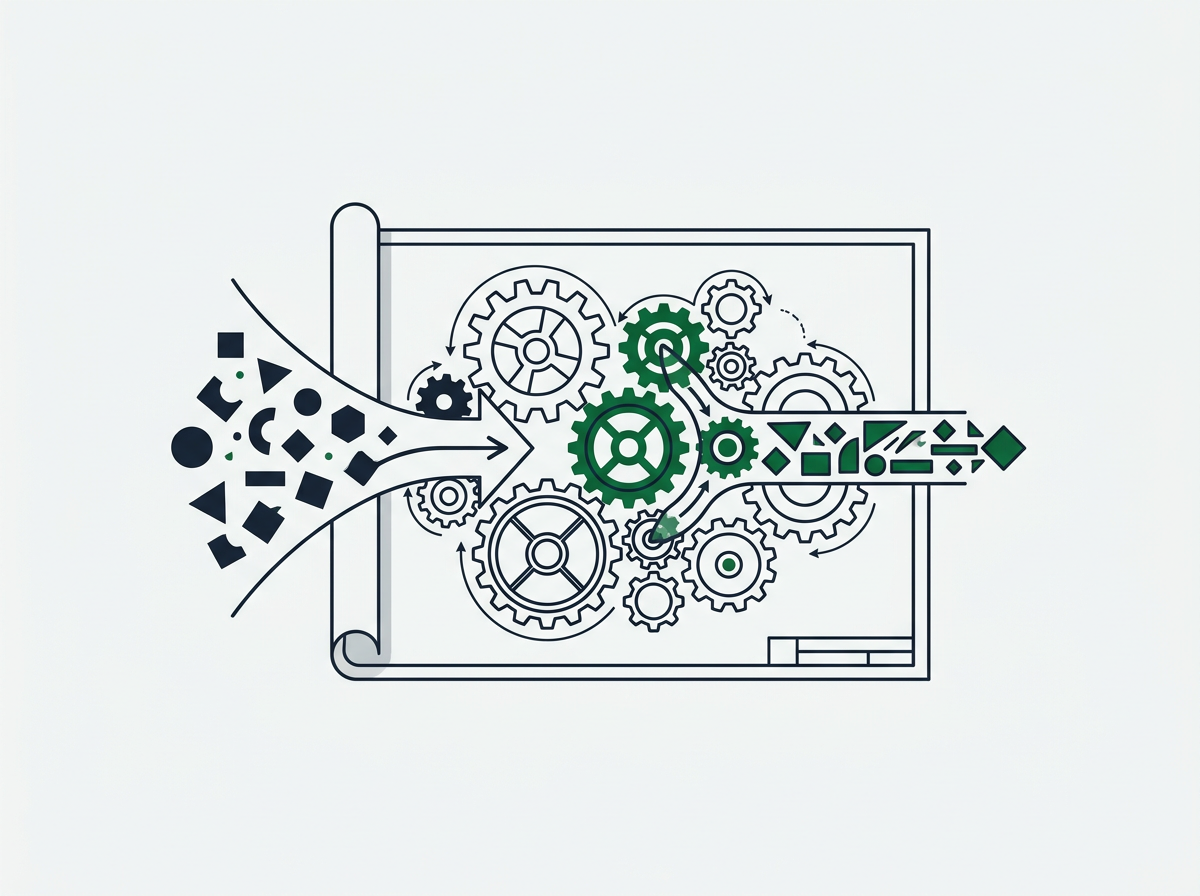
Client acquisition represents both your greatest opportunity and your biggest potential cash drain. When done inefficiently, the process consumes disproportionate time and capital while producing inconsistent results. When optimized, it becomes a predictable engine that feeds your entire operation.
The modern coaching or consulting business requires a systematic approach to moving prospects from awareness to signed contract. This means replacing ad-hoc outreach with repeatable systems that nurture leads automatically, qualify prospects efficiently, and convert them into paying clients without excessive manual intervention.
Automating Lead Generation with Paid Ads
Organic marketing has its place, but it creates an unpredictable pipeline that makes financial forecasting nearly impossible. Scalable lead generation through paid advertising platforms gives you control over lead volume and quality, allowing you to dial acquisition up or down based on current capacity and cash flow needs.
Paid acquisition channels like Google Ads, LinkedIn Ads, and Facebook/Instagram campaigns put you in front of your ideal client profile right away. Content marketing and referrals can take months to build momentum. Paid ads bring in qualified prospects within days, shortening the gap between your marketing spend and the revenue it generates.
The key to maximizing ROI from paid ads lies in rigorous testing and optimization. Successful campaigns continuously refine audience targeting, ad creative, and landing page messaging to lower Customer Acquisition Cost (CAC) while maintaining lead quality. According to research from HubSpot, companies that automate lead management see a 10% or greater increase in revenue within 6-9 months.
Once a lead enters your ecosystem through a paid channel, automation takes over. Email sequences nurture the relationship, provide value through educational content, and guide prospects toward booking a discovery call—all without manual effort from you or your team.
Seamless Client Journey Design
The handoff from prospect to client is where many consultants hemorrhage efficiency. A disjointed onboarding experience creates confusion, delays project kickoff, and extends the time until you receive payment. Standardizing this process protects both client satisfaction and your cash position.
Your client journey should be mapped from first touchpoint through contract signing and initial payment. Each step needs clear triggers, automated communications, and minimal manual intervention. For example, when a prospect books a discovery call, they should automatically receive confirmation, calendar reminder, pre-call questionnaire, and preparatory materials—without you lifting a finger.
- Automate lead nurturing sequences for prospective clients using email marketing platforms that track engagement and behavioral triggers
- Optimize CRM systems for efficient client data management and communication, ensuring every team member sees the same updated information
- Standardize onboarding workflows to reduce manual effort and accelerate client readiness, cutting onboarding time from weeks to days
A seamless journey also means transparency around pricing, deliverables, and timelines. When prospects receive this clarity early, they make faster buying decisions and enter the relationship with accurate expectations—reducing friction that could delay payment or create scope-creep problems later.
Document every client touchpoint in a visual workflow. Identify which steps currently require your personal involvement and ask whether automation, templates, or delegation could handle them instead. Every hour you reclaim from manual onboarding can be redirected toward billable client work or business development.
Optimizing Service Delivery & Time Management
Cash flow problems often stem not from insufficient revenue, but from inefficient delivery that inflates the time and cost required to fulfill client engagements. When consultants spend excessive hours delivering what should be a standardized service, profit margins erode and capacity for new clients shrinks.
Service delivery optimization begins with ruthless clarity about your deliverables. What exactly does a client receive, in what format, following what process? Vague service definitions lead to scope creep, endless revisions, and unpredictable project timelines—all of which delay final payment and damage cash flow.
Leveraging Technology for Service Scalability
Technology multiplies your capacity without multiplying your costs. The right tools let you serve more clients with the same time investment, improving both revenue and profitability. Project management platforms like Asana, Monday.com, or ClickUp provide visibility into every client engagement, preventing balls from dropping and allowing team members to coordinate seamlessly.
These platforms work best when you’ve packaged your expertise into repeatable methodologies. If every client follows the same proven framework (customized to their situation but built on consistent foundations), you can templatize deliverables, create reusable resources, and cut down on the mental overhead of jumping between different client approaches.
Communication tools also drive efficiency. Instead of scattering conversations across email, text, and social media, consolidate client communication in a single platform. Slack channels, dedicated client portals, or project-specific messaging threads keep discussions organized and searchable, reducing the time spent hunting for information.
- Implement project management tools to track service delivery milestones and deadlines, creating accountability and preventing delays
- Batch similar administrative and client-facing tasks to minimize context switching, which research shows can reduce productivity by up to 40%
- Delegate non-core administrative tasks to virtual assistants to free up valuable time for revenue-generating activities
Time Blocking for Peak Performance
How you structure your calendar directly affects your cash flow. Coaches and consultants who allow meetings to scatter randomly throughout the week never achieve the deep focus required for high-value work. Time blocking protects your capacity for the activities that move revenue forward.
Designate specific days or day-parts for client delivery, administrative work, business development, and strategic planning. For instance, conduct all client calls on Tuesdays and Thursdays, reserve Mondays for project work, Wednesdays for marketing and sales activities, and Fridays for planning and professional development.
Batching similar tasks reduces the cognitive switching cost and allows you to enter flow states where productivity multiplies. When you batch all your client strategy sessions on the same day, you stay in “coaching mode” and deliver better insights than if those sessions were scattered across five different days mixed with unrelated tasks.
The calendar is also a cash flow tool. If a client wants to schedule outside your designated availability, that signals either a boundary issue or an opportunity to charge premium rates for off-hours access. Protect your time blocks as fiercely as you protect your bank account—they’re the same thing.
Enhancing Financial Management & Billing Cycles
Revenue becomes cash flow only when invoices convert to collected payment. The gap between delivering value and receiving payment represents your biggest financial vulnerability. According to a study by Atradius, small businesses wait an average of 72 days for invoice payment, creating significant working capital challenges.
Accelerating this cycle requires both systems and psychology. On the systems side, automate as much of the invoicing and collection process as possible. On the psychology side, set clear payment expectations from the beginning and make paying you as frictionless as possible.
Accelerating Revenue Collection
Delayed invoicing is a self-inflicted cash flow wound. If you wait until the end of the month to invoice for work completed on the first, you’ve already cost yourself three to four weeks of cash availability. Instead, invoice immediately upon completion of defined milestones or on a predetermined schedule regardless of project status.
Automated invoicing platforms like QuickBooks, FreshBooks, or Stripe Billing eliminate manual invoice creation and send payment reminders without requiring your attention. These systems can automatically follow up on unpaid invoices at predetermined intervals, maintaining pressure on slow-paying clients without awkward personal conversations.
Payment terms significantly impact cash flow. Net-30 or Net-60 terms might seem professional, but they’re often unnecessary for coaches and consultants. Many businesses successfully require 50% upfront and 50% at midpoint or completion. Some move to 100% payment before service delivery begins, positioning their offering as a premium product that clients pay to access.
- Automate invoicing and payment reminder systems to ensure timely collections, reducing average payment time by 30-50%
- Track key financial metrics like Customer Lifetime Value (LTV) and Customer Acquisition Cost (CAC) to ensure sustainable unit economics
- Optimize pricing strategies to reflect value and maximize profitability per client, moving beyond hourly billing to value-based or package pricing
Make payment effortless by accepting multiple payment methods. Credit cards, ACH transfers, PayPal, and newer platforms like Stripe offer clients flexibility while ensuring you receive funds quickly. Yes, processing fees reduce your net revenue slightly, but the cash flow benefit of immediate payment far outweighs the 2-3% fee.
Financial Forecasting for Growth
Accurate cash flow forecasting transforms your financial management from reactive to proactive. When you can predict income and expenses ninety days forward, you make better decisions about hiring, marketing investment, and capacity planning. Without forecasting, you’re flying blind, making decisions based on your current bank balance rather than your true financial trajectory.
Build a rolling 13-week cash flow forecast that tracks expected client payments, recurring expenses, planned marketing spend, and anticipated new contracts. Update it weekly as actuals come in and projections change. This visibility lets you spot cash crunches before they arrive and adjust operations accordingly.
Understanding your unit economics is equally critical. What does it cost to acquire a client through various channels? What’s the average lifetime value of a client relationship? If your CAC is $1,500 and your average client LTV is $5,000, you have healthy margins. If those numbers are reversed, no amount of operational efficiency will save your business—you need fundamental model changes.
Financial dashboards that aggregate data from your CRM, accounting system, and ad platforms provide real-time visibility. When you can see that paid ad spend is trending 20% over budget but conversions are down, you catch problems within days instead of months, protecting cash reserves and allowing rapid course correction.
Leveraging Technology for Productivity Gains
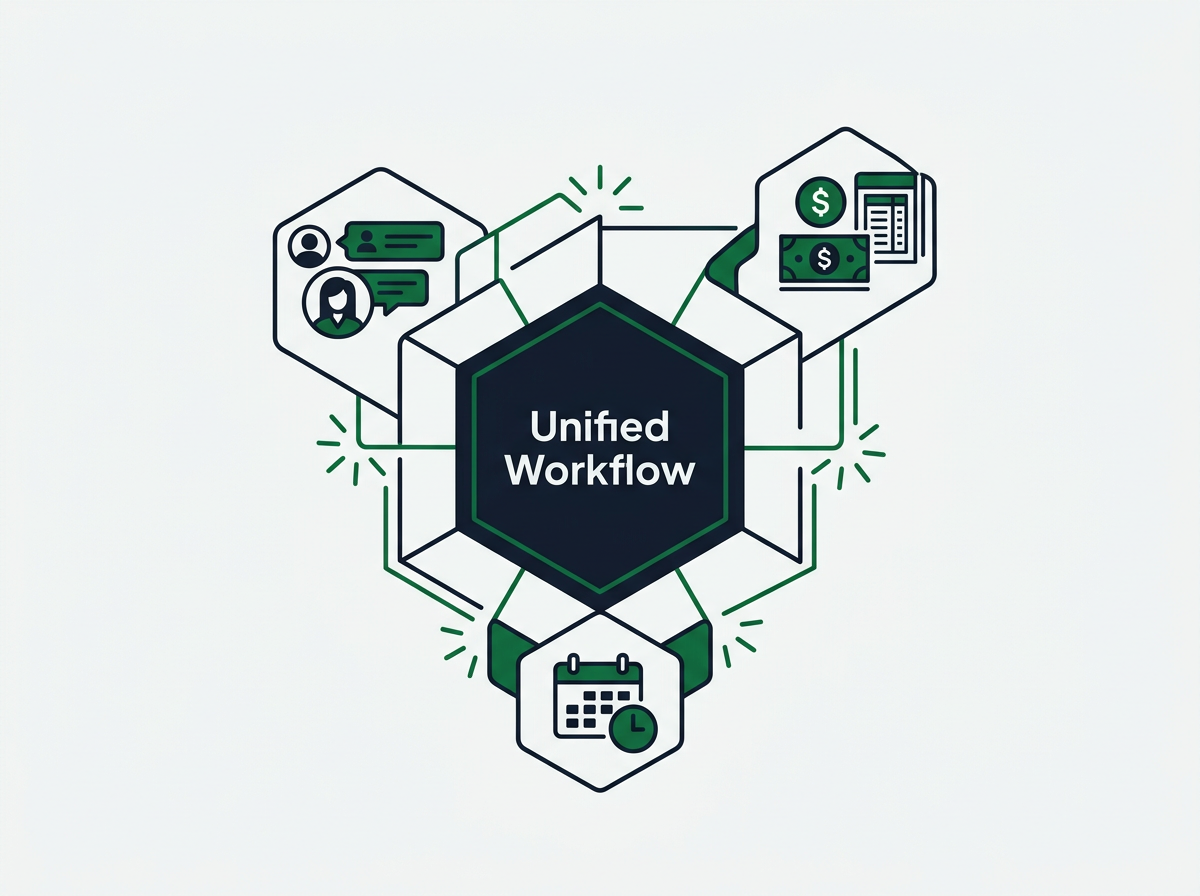
Technology investments pay for themselves through time savings and error reduction. The question isn’t whether to adopt technology, but which tools create the highest ROI for your specific operation. A bloated tech stack creates its own inefficiency through complexity and redundant costs.
The foundation of any coaching or consulting tech stack includes three categories: client relationship management, financial management, and service delivery. Additional tools should integrate with these core systems rather than creating isolated data silos that require manual reconciliation.
Tech Stack for Coaches & Consultants
Your CRM serves as the central nervous system of your business. It should capture every prospect interaction, track where leads originate, manage pipeline stages, and trigger automated follow-up. Popular options include HubSpot, Salesforce, Pipedrive, and Copper, each with different strengths around ease-of-use, customization, and price point.
Accounting software brings order to financial chaos. Platforms like QuickBooks Online or Xero handle invoicing, expense tracking, financial reporting, and tax preparation support. They integrate with bank accounts to automatically categorize transactions, saving hours of manual bookkeeping while reducing error rates.
Scheduling tools like Calendly or Acuity eliminate the email ping-pong of finding meeting times. Clients book directly into your available slots, receive automatic confirmations and reminders, and can reschedule without your involvement. This seemingly small automation saves 2-3 hours weekly for busy consultants.
- Integrate essential business software (CRM, accounting, scheduling) for a unified workflow that eliminates duplicate data entry and maintains single-source-of-truth
- Utilize AI tools for content creation, data analysis, or personalized client communication, leveraging artificial intelligence to scale efforts that previously required human time
- Automate repetitive tasks with platforms like Zapier to reduce manual intervention, creating “if-this-then-that” workflows that connect disparate systems
AI-Powered Efficiency Tools
Artificial intelligence has moved from novelty to necessity for competitive professional service firms. AI writing assistants help draft client proposals, create marketing content, and respond to routine emails. AI meeting assistants transcribe calls, extract action items, and create summary notes—deliverables that previously required 30-45 minutes of post-meeting work.
Chatbots and AI-powered response systems can handle initial prospect inquiries, qualify leads based on predetermined criteria, and route qualified conversations to human team members. This ensures prompt response without requiring someone to monitor inbound messages constantly.
Data analysis AI identifies patterns in your business metrics that humans might miss. Which marketing channels produce the highest-value clients? What client characteristics predict longer engagements? When do clients typically churn, and what early warning signals precede that decision? These insights inform strategic decisions that compound efficiency gains over time.
The key to AI adoption is starting with clearly defined use cases rather than experimenting broadly. Identify your three most time-consuming repetitive tasks, then research AI solutions purpose-built for those functions. Implement, measure the time savings, and expand from proven wins rather than chasing every new AI announcement.
Strategic Resource Allocation & Outsourcing
Your time is your inventory. Product businesses can manufacture more units. You can’t manufacture more hours. How you spend your time and where you invest capital determines your ceiling for revenue and profitability.
The temptation to handle everything yourself is strong, especially in early-stage practices. But the hourly economics reveal the flaw in this thinking. If your effective billing rate is $200/hour, every hour spent on $25/hour tasks (bookkeeping, graphic design, social media scheduling) represents a $175 opportunity cost—real money you’re leaving on the table.
When to Outsource vs. Insource
Strategic outsourcing begins with honest assessment of your core competencies. What unique skills drive client results and differentiate you in the marketplace? Those capabilities stay in-house. Everything else becomes a candidate for delegation or outsourcing.
Administrative tasks are the easiest outsourcing decision. Virtual assistants can handle email management, calendar coordination, client onboarding paperwork, invoice preparation, and dozens of other routine functions. Platforms like Belay, Time Etc, or Upwork connect you with skilled assistants for $25-45/hour—a fraction of your billable rate.
Content creation and marketing represent a higher-value outsourcing category. While you might draft key thought leadership pieces personally, editing, formatting, graphic design, social media distribution, and SEO optimization can all be handled by specialists. This lets you maintain your voice and expertise while leveraging others’ execution skills.
- Identify core competencies and outsource tasks that are not central to your unique value proposition, protecting your time for high-impact activities
- Partner with specialists for marketing functions, such as paid acquisition management, where expertise directly impacts ROI
- Invest in training for team members to boost internal capacity and reduce external dependencies, building sustainable capability over time
Investing in Marketing for ROI
Marketing represents a unique resource allocation challenge because it’s simultaneously an expense and an investment. Underspend and you starve the pipeline that feeds future revenue. Overspend on ineffective channels and you drain cash without return. Research from Gartner shows that professional services firms typically allocate 6-10% of revenue to marketing.
Many coaches and consultants default to organic marketing because it feels “free.” But time is not free—your time has a real cost. If you spend ten hours weekly creating organic content that generates two leads monthly, your effective cost per lead might exceed what paid channels would deliver. Plus, organic efforts lack the predictability and scalability that paid acquisition provides.
Outsourcing paid acquisition strategies for coaches to specialists who live and breathe ad platforms typically delivers better ROI than DIY efforts. These professionals stay current with algorithm changes, creative best practices, and targeting strategies that take years to master. They also bring objective data analysis free from the emotional attachment that business owners often have to their own messaging.
The decision to outsource versus build in-house marketing capability depends on scale and strategic importance. If marketing is a core competitive advantage and you plan to invest heavily, building internal expertise makes sense. If you view marketing as necessary but not central to your differentiation, outsourcing lets you access expertise without the overhead of full-time staff.
Impact of Paid Acquisition on Operational Efficiency
Paid acquisition fundamentally changes the economics and operations of a coaching or consulting practice. Instead of spending 20-30 hours weekly on organic content, networking, and hoping for referrals, you invest capital in systems that produce predictable lead flow. This shift transforms both your calendar and your cash flow.
The relationship between paid acquisition and operational efficiency runs deeper than most consultants initially recognize. It’s not just about getting more leads—it’s about creating predictable capacity utilization, stabilizing revenue forecasts, and building a business that can scale beyond the founder’s personal network and effort.
Predictable Growth through Paid Ads
Organic marketing creates lumpy, unpredictable pipelines. You might land three clients in one month through referrals and networking, then go six weeks with nothing. This volatility makes planning impossible, forces you to accept non-ideal clients during dry spells, and creates feast-or-famine cash cycles.
Paid acquisition replaces hope with math. When you know that $1,000 in ad spend consistently generates 20 qualified leads, and 20% of those leads convert to clients averaging $5,000 in revenue, you have a predictable growth engine. You can calculate exactly how much to spend to hit revenue targets, and you can scale that spend up or down based on current capacity.
This predictability cascades through your operations. With a stable pipeline, you can hire assistants or subcontractors with confidence, knowing future revenue will support those costs. You can commit to office space, technology investments, or professional development because you trust your ability to generate the income to justify those expenses.
- Generate a predictable and consistent lead flow to stabilize revenue projections, transforming budgeting from guesswork to science
- Reduce reliance on time-intensive organic marketing methods, freeing up operational time for service delivery or strategic planning
- Scale client acquisition efforts without a proportional increase in manual operational overhead, breaking the linear relationship between hours and revenue
Paid acquisition also shortens sales cycles. Prospects who click your ad and download your lead magnet are actively seeking solutions right now, unlike passive social media followers who may or may not ever be in-market. This immediacy means faster progression from first contact to signed contract, accelerating cash flow compared to long-term relationship-building approaches.
Measuring Paid Acquisition ROI
The operational efficiency benefits of paid acquisition only materialize when campaigns are managed effectively. Poor ad targeting, weak messaging, or broken conversion funnels will burn cash without return, making your situation worse rather than better.
Effective measurement starts with clear attribution. Where did each lead originate? Which ad campaigns, keywords, or audiences drove them? What was the cost to acquire each lead, and what percentage converted to clients? This data reveals which efforts deserve increased investment and which should be cut or optimized.
Track metrics at every funnel stage. Click-through rate shows whether your ad creative and targeting resonate with your audience. Landing page conversion rate indicates whether your offer and messaging match prospect expectations. Discovery call booking rate reveals how effectively your lead nurture sequence builds trust and urgency.
The ultimate metric is return on ad spend (ROAS)—how much revenue you generate for each dollar invested in paid acquisition. A healthy ROAS for coaching and consulting services typically ranges from 3:1 to 10:1, depending on pricing model and sales cycle length. Anything below 2:1 suggests fundamental problems with targeting, messaging, or offer-market fit that need addressing before scaling.
Working with paid acquisition specialists who understand professional services helps avoid expensive learning curves. These experts bring tested frameworks for audience targeting, proven ad creative templates, and conversion funnel blueprints specific to coaching and consulting. They also provide objective analysis unclouded by attachment to any particular approach, cutting poorly-performing campaigns quickly to preserve budget for winners.
FAQs
How does operational efficiency directly impact cash flow for coaches?
Operational efficiency directly boosts cash flow by reducing unnecessary expenses and accelerating revenue generation. Streamlined processes, such as optimized client onboarding and automated billing, minimize wasted resources and ensure faster payment collection, leading to a healthier financial position for your coaching or consulting business.
What role does paid acquisition play in improving cash flow efficiency?
Paid acquisition provides a predictable and scalable lead generation system, directly impacting cash flow efficiency. By consistently bringing in qualified leads, coaches and consultants can maintain a steady client pipeline, reduce the unpredictable nature of organic marketing, and ensure a more reliable revenue stream, optimizing financial forecasting.
What are common operational bottlenecks for consultants affecting cash flow?
Common bottlenecks include inefficient client onboarding, manual administrative tasks, inconsistent lead generation, and delayed invoicing. These issues consume valuable time, increase overhead, and slow down payment cycles. Addressing them through automation and process optimization is crucial for improving cash flow and overall profitability.
How can technology improve operational efficiency for professional services?
Technology significantly enhances efficiency by automating repetitive tasks, improving communication, and centralizing data. CRM systems streamline client management, accounting software simplifies financial tracking, and project management tools optimize service delivery. These integrations free up time, reduce errors, and accelerate cash flow cycles for coaches and consultants.
Should coaches outsource any operational tasks to improve cash flow?
Yes, outsourcing non-core tasks like administrative support, content creation, or specialized marketing (e.g., paid acquisition management) can significantly improve cash flow. It allows coaches and consultants to focus on high-value client work, leverage expert skills without full-time overhead, and scale operations more efficiently, directly impacting profitability.
How can Be Known, LLC help improve my coaching business’s cash flow?
Be Known, LLC specializes in paid acquisition strategies for coaches and consultants nationwide. By implementing targeted ad campaigns, we help you generate a consistent flow of qualified leads, optimize your client acquisition costs, and accelerate your sales cycle. This predictable growth directly translates to improved operational efficiency and a stronger cash flow for your business.
Ready to transform your coaching or consulting practice with operational systems that drive predictable cash flow? Be Known, LLC brings proven expertise in creating paid acquisition systems that generate qualified leads while helping you optimize the operational infrastructure that converts those leads into profitable client relationships. Our team works with professional service providers across the United States to build sustainable growth engines that scale with your ambitions. Visit our strategy page to discover how we can help you achieve the financial stability and growth trajectory your expertise deserves.
Sources & references
- 10% or greater increase in revenue within 6-9 months — hubspot.com
- small businesses wait an average of 72 days for invoice payment — group.atradius.com