

Systemize Your Professional Services for Scalable Paid Acquisition
Coaches and consultants aiming for predictable, scalable growth must systemize their professional services before scaling paid acquisition. Streamlined operations, automated client journeys, and clear delivery workflows ensure every advertising dollar converts efficiently into paying clients, maximizing ROI while preventing operational chaos as client volume increases through targeted ad campaigns.
For coaches and consultants across the United States, the promise of paid acquisition for coaches and consultants is compelling: targeted campaigns that deliver qualified leads directly to your business. But without systematic operations, those leads often convert poorly, creating frustration and wasted ad spend. Be Known, LLC, headquartered in Knoxville, TN, helps coaching and consulting professionals nationwide build the operational foundation required for sustainable, scalable paid acquisition campaigns that deliver consistent client growth.
The gap between running ads and building a thriving practice lies in systemization. Manual processes, inconsistent follow-up, and ad-hoc delivery methods create bottlenecks that prevent you from capitalizing on the leads your ads generate. This article explores why systemization is non-negotiable for coaches and consultants who want to scale through paid advertising, and exactly how to build the operational infrastructure that transforms ad clicks into loyal, long-term clients.
The Imperative of Systemization for Scalable Growth
Most coaching and consulting practices start with manual, relationship-driven operations. Early-stage practitioners rely on personal outreach, custom proposals, and one-off client engagements. This approach works when you’re handling five or ten clients, but it collapses under the weight of growth.
When you layer paid acquisition onto a manual operation, you create a crisis. Ads generate leads faster than you can process them, follow-up becomes inconsistent, and client onboarding turns chaotic. The result is lower conversion rates, disappointed prospects, and frustrated clients who receive inconsistent service quality.
The Hidden Costs of Inefficiency
Manual operations carry hidden costs that drain profitability and limit growth potential. Each lead requires custom handling, eating hours of your day in repetitive tasks like scheduling calls, sending proposal emails, and manually tracking prospect status. These time costs compound as lead volume increases.
Research shows that operational inefficiencies cost professional services firms 20-30% of their revenue annually through wasted time, duplicated effort, and lost opportunities. For coaches and consultants running paid ads, inefficiency manifests as abandoned leads, delayed responses that kill urgency, and prospect confusion about next steps.
Inconsistent service delivery creates another hidden cost: client churn. When each client receives a different experience based on when they signed up or which mood you were in during onboarding, satisfaction varies wildly. Unhappy clients leave faster, reducing lifetime value and forcing you to spend more on acquisition to replace them.
Building a Predictable Client Journey
Systemization creates predictability for both you and your clients. When every prospect enters a consistent funnel with clear steps, automated touchpoints, and standardized deliverables, conversion rates stabilize and improve. You can forecast revenue more accurately because your lead-to-client conversion becomes a known metric rather than a moving target.
A predictable client journey starts the moment a prospect clicks your ad. They land on a page with a clear offer, complete a form that captures essential qualification data, and immediately receive confirmation with next steps. Within minutes, an automated email sequence begins nurturing them with relevant content while your CRM assigns them to a sales pipeline stage.
This systematized approach ensures no lead falls through cracks. According to research from Forbes, 80% of sales require five follow-up attempts after initial contact, yet 44% of salespeople give up after one follow-up. Automated systems ensure every lead receives consistent nurturing regardless of how busy you are, dramatically improving conversion rates from your paid acquisition efforts.
For coaches and consultants, predictability extends beyond lead nurturing into service delivery. When clients know exactly what to expect, when to expect it, and how to access support, satisfaction increases. Systemized onboarding, milestone check-ins, and structured deliverables create confidence that justifies premium pricing and generates referrals.
Identifying Core Processes for Paid Acquisition Optimization
Not every process in your business requires immediate systemization. Strategic focus on the areas that directly impact paid acquisition ROI delivers the fastest results. Start by mapping your current client journey from ad click to final deliverable, identifying bottlenecks and friction points that reduce conversion or satisfaction.
Three process categories matter most for paid acquisition success: lead capture and qualification, client onboarding and activation, and ongoing service delivery and retention. Each represents a critical stage where systemization multiplies the effectiveness of your ad spend.
Streamlining Your Sales Funnel
Your sales funnel begins the instant a prospect clicks your ad. Every friction point between that click and becoming a paying client represents lost revenue. Common bottlenecks include unclear landing pages, complicated booking processes, delayed response times, and inconsistent follow-up sequences.
Start by systemizing lead qualification. Create a scoring system that automatically categorizes leads based on their responses to key questions during capture. High-intent prospects who match your ideal client profile receive immediate booking links for sales calls, while lower-intent leads enter nurture sequences designed to build urgency and address objections over time.
Automated lead qualification reduces wasted time on prospects who will never convert while ensuring qualified leads receive immediate attention. This speed matters enormously; Harvard Business Review research found that firms contacting leads within an hour are seven times more likely to qualify them than those waiting even two hours.
Next, standardize your sales process. Create templates for discovery calls, proposal formats, and pricing presentations. Build automated sequences that deliver case studies, testimonials, and educational content between initial contact and purchase decision. This consistent experience builds trust while reducing the manual effort required to move prospects through your pipeline.
Your sales funnel should include clear triggers for each stage transition. When a prospect books a call, they automatically receive pre-call preparation materials and a calendar invite with meeting details. After the call, they receive a proposal within 24 hours via automated workflow. When they accept, onboarding begins immediately without waiting for manual handoff.
Automating Client Success Touchpoints
The transition from prospect to client is the most critical moment in your customer journey. Poor onboarding creates confusion, delays time-to-value, and increases early churn. Systemized onboarding ensures every client starts their engagement feeling confident, informed, and excited about the results ahead.
Build a standardized onboarding sequence that begins the moment payment clears. Welcome emails, access to client portals, scheduling for kickoff calls, and delivery of foundational materials should all trigger automatically. This removes the chaos of manual coordination while ensuring nothing gets forgotten in the rush of closing new business.
Beyond onboarding, identify ongoing touchpoints that drive client success and retention. Monthly check-ins, progress reviews, milestone celebrations, and renewal conversations should all be systematized with automated reminders, templated agendas, and clear documentation. These touchpoints prevent clients from feeling neglected while creating opportunities to upsell and generate testimonials.
Automated client success touchpoints also provide valuable data for optimizing your paid acquisition. Track which onboarding elements correlate with faster results, higher satisfaction scores, and longer retention. Use these insights to refine your service delivery and inform your ad messaging, creating alignment between what you promise in ads and what clients actually experience.
Essential Tools and Technologies for Systemized Services
The right technology stack transforms manual chaos into automated efficiency. However, many coaches and consultants make the mistake of adopting too many tools too quickly, creating integration headaches and learning curves that slow rather than accelerate growth. Start with core systems that address your biggest bottlenecks, then expand as those foundations stabilize.
Your systemization tech stack should center on four categories: customer relationship management (CRM), marketing automation, project management and service delivery, and payment processing and financial operations. Each category solves specific challenges in scaling professional services through paid acquisition.
Building Your Efficiency Tech Stack
A CRM system serves as the central nervous system of your systemized operations. Platforms like HubSpot, Salesforce, or Pipedrive track every interaction with prospects and clients, storing communication history, deal stages, and custom data fields that inform personalization and qualification.
For coaches and consultants running paid ads, your CRM should integrate directly with ad platforms to capture lead source data, campaign attribution, and cost-per-acquisition metrics. This integration enables you to track ROI at the campaign level, identifying which ad sets generate not just leads but actual paying clients with strong lifetime value.
Marketing automation platforms like ActiveCampaign, ConvertKit, or Mailchimp handle the nurturing sequences that convert ad-generated leads into clients. These tools automate email sequences based on behavioral triggers, send personalized content based on prospect interests, and score leads based on engagement to prioritize sales outreach.
Project management and service delivery tools like Asana, ClickUp, or Monday.com standardize how you deliver client results. Create templates for common engagement types, automate task assignment when new clients onboard, and track progress against milestones. This consistency ensures every client receives the same high-quality experience regardless of how many others you’re serving simultaneously.
Payment processing and scheduling tools remove friction from the buying process. Stripe, PayPal, or practice management platforms handle secure transactions, subscription billing, and automated invoicing. Calendly, Acuity, or similar scheduling software eliminates email ping-pong by letting prospects book directly into your availability, with automatic confirmation and reminder sequences reducing no-shows.
Seamless System Integrations
Individual tools provide value, but integration multiplies their impact. When your ad platform feeds lead data into your CRM, which triggers marketing automation sequences, updates project management boards, and creates payment links automatically, you’ve built a machine that operates with minimal manual intervention.
Zapier, Make (formerly Integromat), or native integrations connect disparate systems into unified workflows. For example, when a prospect fills out a lead form from your Facebook ad, integration can automatically create a CRM contact, assign a lead score based on their responses, add them to a nurture sequence, send a Slack notification to your sales team, and schedule a follow-up task—all within seconds and without touching anything manually.
Integration also eliminates data silos that fragment your understanding of client acquisition and delivery. When all systems share data, you can build comprehensive reports showing exactly how prospects move through your funnel, which touchpoints drive conversion, and where clients get stuck or disengage. These insights inform both operational improvements and paid acquisition optimization.
Start with high-impact integrations that address your biggest manual bottlenecks. If you spend hours transferring lead data from ad platforms into spreadsheets, automate that first. If client onboarding requires manually sending five different emails and creating three calendar events, build a workflow that does it automatically. Each integration compounds the value of others, creating exponential efficiency gains as your stack matures.
How Systemization Amplifies Paid Acquisition ROI
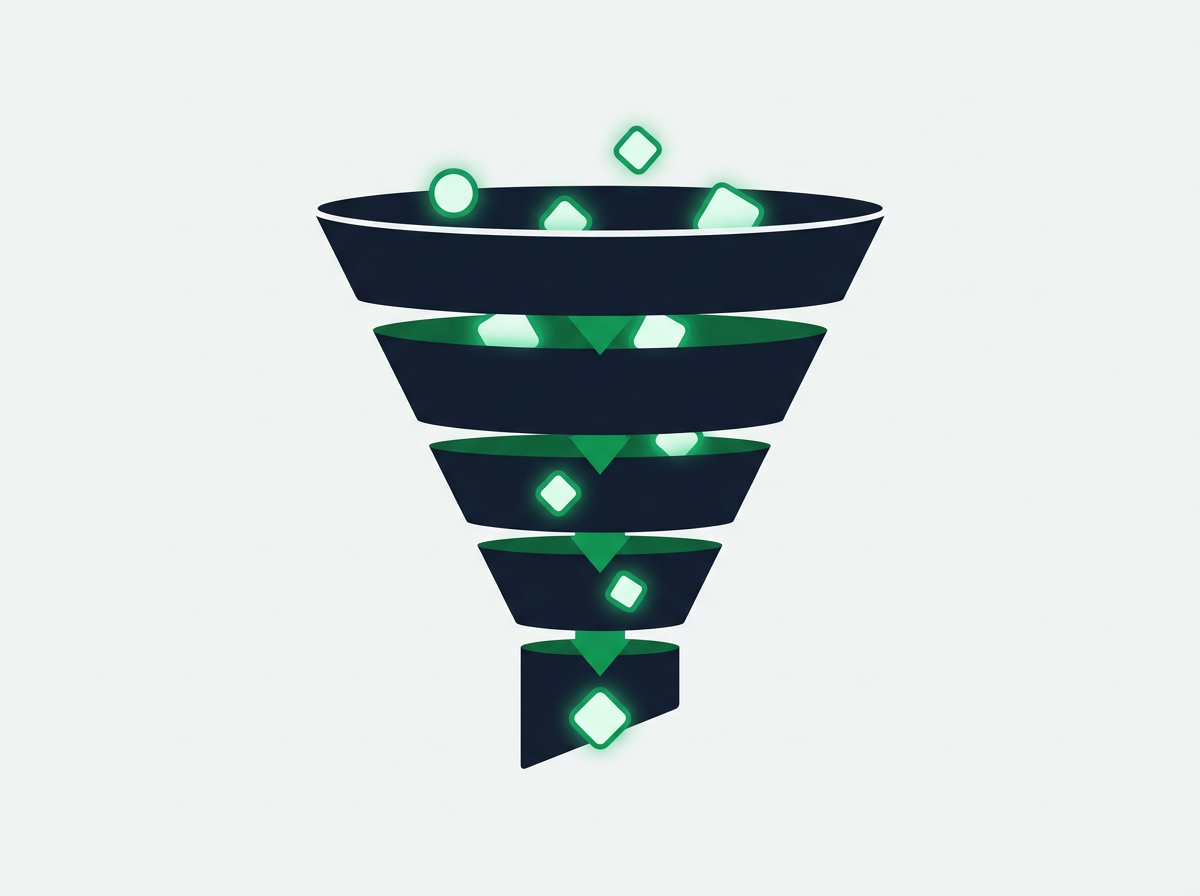
The relationship between systemization and paid acquisition ROI is direct and measurable. Every operational improvement that increases conversion rates, reduces time-to-close, or improves client retention directly amplifies the return on every dollar spent on ads. Understanding these connections helps you prioritize which systems to build first.
Systemization affects paid acquisition ROI through four primary mechanisms: higher conversion rates from lead to client, faster time-to-value that reduces early churn, increased client lifetime value through better retention, and improved data quality that optimizes future campaigns.
Maximizing Your Ad Spend Efficiency
Consider two coaching businesses spending $5,000 monthly on Facebook ads, each generating 50 qualified leads. Business A relies on manual follow-up, inconsistent sales processes, and ad-hoc onboarding. They convert 10% of leads into clients (5 clients) at an average contract value of $3,000, generating $15,000 in monthly revenue for a 3x return on ad spend.
Business B operates with systemized lead nurturing, automated qualification, standardized sales processes, and streamlined onboarding. They convert 20% of the same quality leads into clients (10 clients) at the same $3,000 contract value, generating $30,000 in monthly revenue for a 6x return on the identical ad spend.
The difference isn’t the quality of ads or the offers promoted—it’s operational efficiency. Business B’s systems ensure no lead gets forgotten, every prospect receives timely follow-up, and the buying process feels professional and trustworthy. This operational excellence doubles conversion rates and revenue without increasing ad spend.
Beyond conversion rates, systemization reduces wasted ad dollars by improving lead qualification. When automated qualification workflows quickly identify prospects who aren’t good fits, you stop investing time and nurture resources in dead-ends. This allows you to focus energy on high-potential prospects while adjusting targeting to generate better-quality leads in future campaigns.
Systemized operations also enable you to profitably serve clients at lower price points or with more efficient delivery models. When automation handles administrative tasks, you can maintain healthy margins on engagements that would be unprofitable with manual operations. This pricing flexibility lets you test different offers in paid campaigns, potentially unlocking new market segments that were previously uneconomical to serve.
From Lead to Loyal Client Faster
Time-to-value—how quickly clients see meaningful results from your service—directly impacts retention and referrals. Systemized onboarding accelerates time-to-value by eliminating delays, reducing confusion, and ensuring clients immediately understand how to succeed within your program or engagement.
When clients see results faster, they’re more likely to stay engaged, complete programs, and renew contracts. Research from customer success analytics shows that reducing time-to-first-value by 30% can increase retention rates by 15-20%. For subscription-based coaching or retainer consulting, this retention improvement directly multiplies the lifetime value generated from each ad-acquired client.
Faster activation also generates more referrals and testimonials. Clients who experience quick wins feel enthusiastic about your service and eager to share their success. Systemized workflows can automatically request testimonials at key milestone moments when satisfaction peaks, building the social proof that makes your paid ads more effective.
Additionally, systematized delivery creates capacity for growth. When each client requires less manual attention due to automated check-ins, self-service resources, and standardized processes, you can serve more clients simultaneously. This scaling capacity means you can profitably increase ad spend without proportionally increasing operational costs, improving unit economics as you grow.
Measuring Success and Iterating Your Systems
Systemization is not a one-time project but an ongoing optimization process. As your business grows and evolves, your systems must adapt to new challenges, client segments, and market conditions. Building measurement and iteration loops into your operations ensures continuous improvement that compounds over time.
Effective measurement starts with defining clear key performance indicators (KPIs) for both your systems and your paid acquisition efforts. Track metrics at each funnel stage, from ad impression to renewal, identifying where performance meets or falls short of benchmarks.
Data-Driven Optimization Strategies
For paid acquisition, track standard metrics like cost-per-click, cost-per-lead, and cost-per-acquisition. But go deeper by tracking lead quality scores, time-to-close, and lifetime value by acquisition source. This granular data reveals which campaigns generate not just leads but profitable, long-term clients worth acquiring.
For your systems, track operational efficiency metrics like lead response time, sales cycle length, onboarding completion rates, and time-to-first-value. Compare these metrics before and after implementing each new system component, quantifying the impact of operational improvements on business outcomes.
Combine acquisition and operational data to calculate true return on ad spend. If you spend $2,000 to acquire a client through Facebook ads, but systemized delivery reduces service delivery costs by $500 per client while increasing retention from six to twelve months (doubling lifetime value), your effective acquisition cost drops significantly while returns multiply.
Implement regular review cycles—monthly or quarterly—where you analyze these metrics, identify underperforming areas, and test hypotheses for improvement. This discipline prevents systems from becoming stale or misaligned with current business needs. Document changes and their impacts, building institutional knowledge that informs future optimization.
Agile System Development for Growth
Borrow from agile software development by treating systems as iterative products rather than fixed processes. Run small experiments, measure results quickly, and scale what works while discarding what doesn’t. This experimental mindset prevents perfectionism paralysis while enabling rapid improvement.
For example, if your current email nurture sequence converts 12% of leads into sales calls, test variations with different messaging angles, send timing, or content formats. Run A/B tests where half your leads receive the original sequence and half receive the variation. After a statistically significant sample, adopt the winner and test another variation. This continuous optimization compounds improvement over time.
Similarly, test different onboarding sequences, client communication cadences, and service delivery formats. Measure client satisfaction, time-to-results, and retention across variations. Even small improvements—reducing confusion during onboarding by 20% or increasing check-in attendance by 15%—compound into significant competitive advantages.
Build feedback loops with clients to inform system improvements. Regular surveys, feedback sessions, and analysis of support tickets reveal friction points and opportunities your internal metrics might miss. Clients often identify bottlenecks or confusing processes that you’ve grown blind to through familiarity. This qualitative data complements quantitative metrics, painting a complete picture of where systems succeed or need refinement.
Partnering with Be Known for Systemized Paid Acquisition Success
Building robust systems while simultaneously managing client delivery and running effective paid acquisition campaigns creates competing demands on your time and expertise. Many coaches and consultants recognize the need for systemization but lack the bandwidth or specialized knowledge to implement it effectively while growing their practice.
Be Known, LLC specializes in helping coaches and consultants across the United States build the operational foundations required for scalable paid acquisition. Our approach integrates systemization strategy directly with campaign execution, ensuring your operational capacity keeps pace with lead generation from day one.
Our Approach to Scalable Client Growth
Our process begins with operational assessment. We analyze your current client journey, identifying bottlenecks, inefficiencies, and missed opportunities that limit conversion and retention. This diagnostic reveals which systems will generate the fastest ROI improvement when paired with paid advertising investment.
Next, we design integrated systems and campaigns in parallel. While building your lead nurturing automation and CRM workflows, we’re simultaneously crafting ad creative and targeting strategies that align with those systems. This coordination ensures campaigns generate leads your operations can efficiently convert rather than overwhelming manual processes.
We prioritize quick wins that demonstrate ROI early while laying groundwork for long-term scalability. Initial implementations might focus on automated lead response and qualification systems that immediately improve conversion rates. As those stabilize, we expand into more sophisticated onboarding automation, client success workflows, and retention systems that multiply lifetime value.
Throughout implementation, we provide hands-on training and documentation ensuring your team can operate and optimize systems independently. Our goal isn’t dependency but capability transfer, equipping you with both the systems and the knowledge to continue improving them as your business evolves.
Beyond Just Ad Spend: Holistic Growth
Many agencies focus exclusively on ad performance metrics, optimizing for clicks and leads without regard for what happens after lead capture. This narrow focus generates vanity metrics—impressive lead counts that don’t translate into profitable growth because operational infrastructure can’t convert and serve those leads effectively.
Be Known takes a holistic approach, treating paid acquisition as one component in an integrated growth system. We care about cost-per-lead, but we care equally about lead-to-client conversion rates, client activation speed, retention percentages, and lifetime value. This comprehensive perspective ensures ad spend generates actual business growth, not just reports full of leads that never converted.
Our Knoxville, TN headquarters serves as our operational base, but we work with coaching and consulting clients nationwide through fully remote collaboration. Geographic location doesn’t limit our ability to understand your market, build effective systems, or run high-performing campaigns. We’ve helped solo consultants build their first systemized operations and established coaching firms scale to seven-figure revenue through optimized paid acquisition.
Whether you’re just beginning to explore paid advertising or you’re already running campaigns but frustrated with inconsistent results, systemization provides the foundation for predictable, scalable growth. Discover how Be Known drives client growth by integrating operational excellence with advertising expertise, creating sustainable competitive advantages that compound over time.
Moving from Chaos to Predictable Client Flow
The transformation from manual, chaotic operations to systemized efficiency doesn’t happen overnight. It requires honest assessment of current state, strategic prioritization of improvements, and disciplined execution over weeks and months. However, the returns justify the investment many times over.
Start with your highest-impact bottleneck—the single process that, if systematized, would most dramatically improve your ability to convert and serve clients from paid acquisition. For most coaches and consultants, this is either lead follow-up and qualification or client onboarding. Fix that first, measure the improvement, then move to the next priority.
Build systems iteratively rather than trying to perfect everything before launch. An 80% solution implemented today generates more value than a perfect system you’ll build someday. Launch, measure, learn, and iterate. This bias toward action accelerates learning and delivers ROI faster than perfectionist planning.
Recognize that systemization is an investment in your business’s future value, not just current operations. Systematized businesses command higher valuations when sold because buyers acquire predictable revenue machines rather than practices dependent on the owner’s personal effort. Even if exit isn’t your near-term goal, building a systemized practice creates optionality and reduces burnout risk.
The coaching and consulting industries are becoming increasingly competitive, with more practitioners entering the market and paid acquisition costs rising. Systemization provides sustainable competitive advantage because it’s difficult and time-consuming to build, creating moats around businesses willing to invest in operational excellence. Competitors can copy your offers or ads, but they can’t quickly replicate years of refined systems and processes.
Taking the Next Step Toward Scalable Growth
Systemizing your professional services transforms paid acquisition from an expensive gamble into a predictable growth engine. When every lead enters a proven conversion machine, when every client receives consistent excellence, and when operational efficiency removes capacity constraints, your business scales without sacrificing quality or burning you out.
The path forward combines operational systemization with strategic paid acquisition, treating them as interconnected elements of a unified growth strategy. Neither succeeds in isolation—ads without systems waste money, while systems without lead flow waste potential. Together, they create compounding returns that accelerate as both mature.
For coaches and consultants ready to move beyond manual operations and inconsistent results, the opportunity to build a systematized practice has never been more accessible. Technology platforms have democratized tools once available only to enterprise businesses, while proven frameworks provide roadmaps for implementation. The question isn’t whether systemization is possible but whether you’ll prioritize it before or after avoidable struggles with scaling.
If you’re ready to transform your coaching or consulting practice into a scalable, systemized business capable of profitably growing through paid acquisition, we’re here to help. Get started with predictable client flow by partnering with Be Known, LLC to build the operational foundation and advertising strategy your growth ambitions require.
FAQs
How does systemization directly impact my paid ad campaigns?
Systemization dramatically improves paid ad ROI by ensuring every lead generated is efficiently processed. Clear systems for follow-up, qualification, and onboarding prevent leads from falling through the cracks, converting more ad clicks into paying clients. This optimization reduces your cost per acquisition and maximizes the value of your ad spend.
What are the first steps for a coach or consultant to systemize their services?
Begin by mapping out your current client journey, from initial contact to service delivery and offboarding. Identify repetitive tasks and bottlenecks. Prioritize areas that directly impact client acquisition and satisfaction. Start with one or two critical processes, like lead nurturing or client onboarding, and build systems around them using appropriate tools.
Can systemization reduce client acquisition costs for professional services?
Absolutely. By streamlining your sales and delivery processes, systemization reduces the manual effort and time required for each client. This efficiency means you can handle more leads and clients without proportionally increasing overhead, directly lowering your effective client acquisition cost, especially when integrated with targeted paid advertising efforts.
How does Be Known, LLC assist with systemization for paid acquisition?
Be Known, LLC helps coaches and consultants nationwide by developing comprehensive paid acquisition strategies that are built upon a foundation of robust systemization. We analyze your existing processes, recommend critical systems and tools, and integrate them with high-performing ad campaigns to ensure scalable, predictable client growth. Our HQ is in Knoxville, TN, but we serve clients remotely.
Is systemization only for large coaching or consulting firms?
Not at all. Systemization is crucial for solo coaches and consultants just starting out, as it lays the groundwork for sustainable growth without burnout. It allows small businesses to operate with the efficiency of larger firms, making scaling through paid acquisition much more attainable and manageable from the outset.
What kind of ROI can I expect from systemizing my professional services?
You can expect significant ROI through increased efficiency, higher client retention, and improved lead conversion rates from your paid acquisition efforts. Systemization leads to more predictable revenue, reduced operational costs, and the capacity to scale without sacrificing service quality, ultimately boosting your overall profitability and business valuation.
The difference between coaches and consultants who scale successfully through paid acquisition and those who struggle isn’t talent, offers, or even ad creative—it’s operational readiness. Building systems before you need them creates the capacity to capitalize on growth opportunities when they arrive. Waiting until you’re overwhelmed guarantees suboptimal results and unnecessary stress. Start your journey to scalable paid acquisition today by partnering with experts who understand both the advertising and operational sides of sustainable growth.
Sources & references
- Harvard Business Review research — hbr.org