Scaling from $3M to $5M in a service business requires foundation, not force. Most operators discover that chasing revenue growth without core systems in place only multiplies chaos—more jobs mean more missed appointments, more payroll complexity, and more reliance on a handful of irreplaceable people. Before you hire again or chase another lead, build the operational infrastructure that lets your business run without you being the single point of failure.
Many service business owners in HVAC, financial services, property management, pest control, and similar industries find themselves stuck at the $3M plateau. Revenue grows, but profit doesn’t. The team expands, yet the workload on leadership intensifies. According to research by Bain & Company, companies with strong operational systems report 25% higher productivity than peers relying on informal processes.
Be Known, LLC in Knoxville, TN, works with service business owners who’ve built companies through expertise in their trade—not formal business training. While our primary focus is paid acquisition for coaches and consultants, the scaling principles we’ve observed across industries remain consistent: systems beat heroics every time.
The operational trap is predictable. You’ve grown to $3M through talent, hustle, and a handful of trusted people who “just get it.” But every new hire takes months to train. Every vacation becomes a crisis. Every new customer strains the same fragile processes. The business can’t duplicate you, so it can’t scale past you.
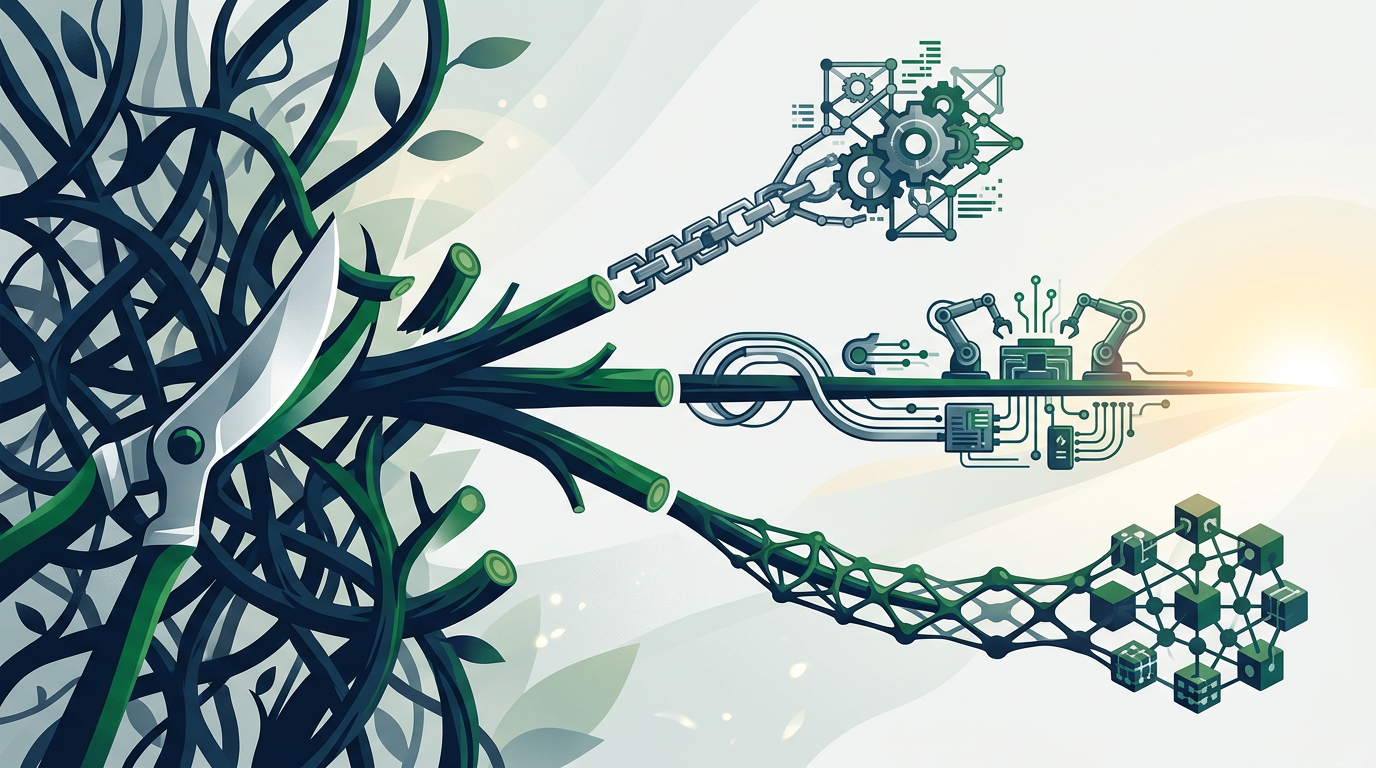

Understanding Your Current Operational Bottlenecks
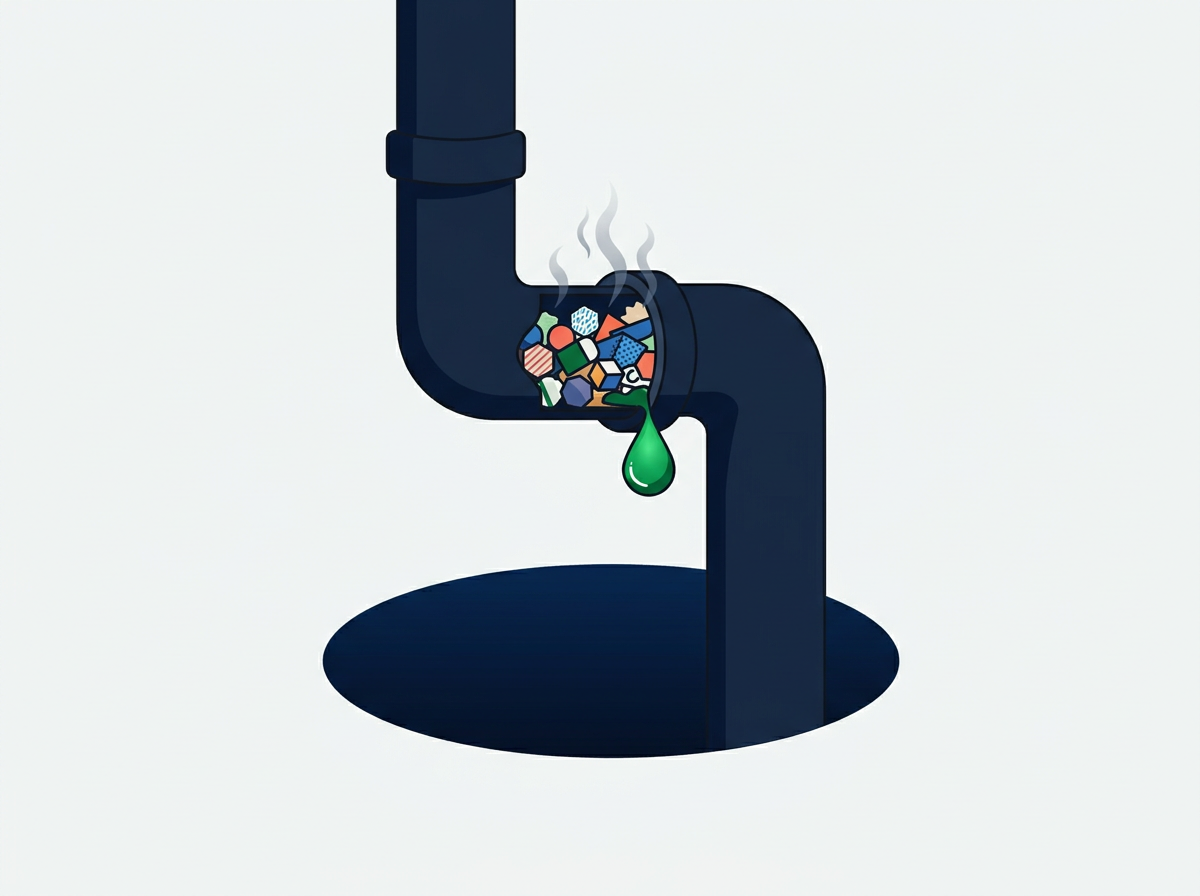
Before you can build the right systems, you need to see where the current ones are failing. Most service business owners know something is broken—they feel it in the Sunday evening anxiety and the inability to take a Friday off. But pinpointing exactly where revenue leaks and processes collapse requires honest operational auditing.
Start by tracking your quoting-to-closing cycle. How many estimates do you send that never get followed up? Research from HubSpot shows that 80% of sales require five follow-up calls after the initial meeting, yet 44% of salespeople give up after one follow-up. In service businesses, that often means thousands of dollars quoted, forgotten, and never converted.
How to Audit Your Existing Workflows
Map every customer touchpoint from first inquiry to final invoice. Ask yourself: if your top technician or operations manager quit tomorrow, which processes would collapse immediately? Those are your single-person dependencies. Write them down.
Look at your calendar from the past 30 days. How many hours did you spend answering questions that should have been handled by documented procedures? How many “quick calls” interrupted focused work because only you knew the answer? That’s not leadership—that’s a knowledge bottleneck you’ve accidentally created.
Review your software stack honestly. Most $3M service businesses are paying for 4–7 different tools that were supposed to talk to each other but don’t. Your CRM doesn’t connect to your scheduling software. Your invoicing system doesn’t feed your accounting platform. You’re manually re-entering the same customer information in three different places.
Where Your Business Is Losing Money Invisibly
Revenue leaks happen in the gaps between systems. A customer calls for a callback that never gets logged. A recurring service contract quietly expires because no one was tracking renewal dates. According to Bain research, the average company loses 20–30% of its revenue to operational inefficiencies.
The most expensive leak is employee time spent compensating for missing processes. When your field techs spend 20 minutes per job hunting down job details because information isn’t centralized, that’s billable time converted to internal waste. Multiply that across 15 jobs per week per tech, and you’re bleeding tens of thousands annually.
Another invisible drain: rework and service failures due to inconsistent processes. When every technician delivers service differently because there’s no standard protocol, quality varies wildly. One bad experience costs you not just that customer but the five referrals they would have sent. In service businesses, reputation compounds—in both directions.
Your profit margin tells the truth. If revenue grew 30% last year but profit stayed flat or declined, you’re scaling chaos instead of business. The additional revenue is being consumed by inefficiency, emergency hiring, rush orders, and the premium you pay when nothing is planned in advance.
Building a Foundation of Core Systems

Once you’ve identified the bottlenecks, the next phase is building systems that remove dependency on individual heroics. This doesn’t mean purchasing more software. It means creating operational infrastructure where information flows automatically, roles are clearly defined, and new hires can execute without needing you on speed dial.
The foundation rests on three pillars: centralized customer data, standardized service delivery, and documented institutional knowledge. Each pillar supports the others. Without centralized data, you can’t standardize delivery. Without standardized delivery, you can’t document what works. Without documentation, every new hire starts from zero.
Implementing a Centralized CRM for Consistent Customer Follow-Up
A true CRM isn’t a contact list with notes. It’s a system that captures every customer interaction, triggers automatic follow-ups, and ensures no opportunity vanishes because someone forgot to call back. For service businesses, this means integrating your CRM with scheduling, quoting, and invoicing so data flows in one direction—forward.
Choose a platform built for service operations, not generic sales teams. You need fields for service history, equipment details, site access notes, and billing preferences. The CRM should automatically create tasks when a quote sits untouched for 72 hours or when a contract is 30 days from renewal.
Automation handles the follow-up you currently forget. A prospect requests a quote on Monday. Your system sends an estimate Tuesday, a check-in email Thursday, and alerts a human Friday if there’s no response. Without automation, this happens only when someone remembers—which means it happens inconsistently, which means revenue walks away.
For many service business owners, setting up this operational foundation feels like slowing down to speed up. It does. You’ll spend 2–4 weeks getting data migrated and workflows configured. But the return is permanent: no more wondering if someone got back to the customer, no more losing quotes in email threads, no more quiet attrition of opportunities you never knew you had.
Establishing Clear Project Management or Service Delivery Protocols
Every service job should follow the same sequence: intake, scheduling, pre-job brief, execution, quality check, invoicing, follow-up. When this sequence lives only in your head or in the habits of one senior person, it dies when they leave. When it’s systematized, every new hire inherits 10 years of operational learning on day one.
Build job checklists for each service type. An HVAC install has 40 steps from site survey to final walkthrough. A pest control service has 15. A consulting engagement has 8 phases. Whatever your business delivers, write down the steps and make them non-negotiable.
Use project management software to assign, track, and close tasks in real time. When a technician marks “site prep complete,” the system automatically notifies the next person in the chain. When a task sits open past its deadline, leadership gets an alert before the customer does.
This doesn’t eliminate judgment or expertise. It eliminates the operational drag of people reinventing the wheel daily. Your best people stop wasting energy on basic execution and start focusing on the exceptions, improvements, and client relationships that actually drive growth.
Documenting Standard Operating Procedures (SOPs) for Key Tasks
SOPs sound bureaucratic until you try onboarding your fifth employee in six months and realize you’re re-explaining the same process for the fifth time. Documentation isn’t about controlling people—it’s about freeing them to operate independently and freeing you from being the walking encyclopedia of tribal knowledge.
Start with the 20% of tasks that consume 80% of your training time. How do you handle after-hours emergency calls? What’s the protocol for pricing a custom job? How do you escalate a customer complaint? Write these down in simple, step-by-step language with screenshots where helpful.
SOPs must be living documents, not dusty PDFs. Store them in a shared workspace where anyone can access them instantly and where updates propagate to the entire team. When a process changes, update the SOP the same day. When a new employee joins, the SOP library is their first assignment.
Making SOPs Actionable, Not Just Documents
The difference between an SOP that gets used and one that gets ignored is specificity. “Provide excellent customer service” is useless. “Within 2 hours of job completion, text the customer a photo of completed work and ask if they have questions” is actionable.
Include decision trees for common scenarios. If X happens, do Y. If the customer says Z, respond with A and notify B. This reduces the number of judgment calls your team has to make and the number of interruptions you field daily.
Tie SOPs to accountability. Your project management system should reference the SOP for each task. When someone marks a task complete, they’re confirming they followed the documented process. When quality issues arise, you audit against the SOP—either the person didn’t follow it, or the SOP needs updating.
Choosing the Right Tools for Your Industry
Service businesses don’t need enterprise software. They need tools that integrate tightly, require minimal training, and mobile-first since most of your team isn’t at a desk. Prioritize platforms that offer open APIs so data flows between systems without manual export-import gymnastics.
For field operations like HVAC, pest control, or property management, choose tools built for your industry. Generic CRMs don’t include route optimization, equipment tracking, or recurring service automation. A pest control CRM understands seasonality and contract renewals. Salesforce doesn’t.
For professional services like financial advisors, law firms, or consultancies, prioritize tools with client portals, document management, and billing integrations. Your clients expect digital experiences. Making them email documents or call for status updates feels outdated and creates internal coordination overhead you don’t need.
Avoid the temptation to build custom solutions unless you’re ready to maintain them indefinitely. Off-the-shelf tools have support teams, regular updates, and user communities. Your homegrown Access database has one person who understands it, and they’re already thinking about their next job.
At Be Known, we’ve seen service business owners waste six months evaluating software when the real issue wasn’t the tool—it was the lack of clearly defined processes the tool was supposed to support. Choose your systems, commit to them for 12 months, and optimize ruthlessly within that constraint.
Empowering Your Team to Execute Without You
Systems only work when your team uses them. The best CRM in the world fails if your technicians still keep customer notes on paper or your scheduler ignores the calendar software. Adoption isn’t automatic—it requires training, accountability, and removing the workarounds that let people bypass the system.
Start by explaining why the new system exists. “Corporate wants us to use this” generates resentment. “This ensures we never lose a customer because someone forgot to follow up” generates buy-in. Your team wants to do good work—show them how the system enables that instead of hindering it.
Train in short, focused sessions with immediate application. Don’t lock people in a conference room for four hours of software training. Show them one workflow, have them execute it with a real job that day, then add the next workflow next week. Repetition builds habit faster than information overload.
Measure adoption and make it visible. If your system tracks task completion, celebrate when the team hits 95% on-time task closure. If it tracks follow-up response time, recognize the person who consistently responds fastest. People improve what gets measured and recognized.
Remove the old workarounds ruthlessly. If people can still keep information on their personal phones or in private spreadsheets, they will. Make the system the only source of truth. Customer data lives in the CRM or it doesn’t exist. Job details live in the project management tool or the job doesn’t get scheduled. Binary choices force adoption.
Financial Visibility and Profit Clarity
Growing revenue without growing profit is a treadmill dressed up as progress. At $3M, you should know what came in, what went out, and what margin you’re carrying on every job type within 48 hours. If you’re asking your bookkeeper and waiting a week for answers, your financial system is broken.
Integrate your operations software with your accounting platform. When a job closes, the invoice should generate automatically and post to your books without manual entry. When payroll runs, it should reconcile against the jobs completed that period. Manual data transfer between systems is where errors hide and time disappears.
Build dashboards that show real-time financial health. You need three numbers visible daily: cash on hand, outstanding receivables, and upcoming payables. You need three numbers visible weekly: revenue booked, revenue delivered, and gross margin by service line. Anything requiring a custom report from your accountant won’t get looked at regularly enough to drive decisions.
Track job profitability individually, not just company-wide. Some service lines subsidize others. Some customers are profitable, others consume resources disproportionately. Until you can see margin by job type, customer segment, and team member, you’re flying blind on where to focus growth efforts.
For most service businesses, financial chaos starts with disconnected quoting and job costing. You estimate a job at $5,000 based on gut feel, deliver it for $6,200 in actual costs, and don’t realize you lost money until tax time. Real-time job costing that tracks labor, materials, and overhead as they happen reveals unprofitable work while you can still fix pricing or delivery.
Preparing to Scale: Hiring and Training Systems
The $3M to $5M leap almost always requires adding people. But hiring without systems to onboard and enable those people just means more chaos distributed across more heads. Your next five hires should ramp to productivity in 30 days, not six months, which requires documented processes and structured training.
Create role-specific onboarding checklists. A new field technician needs different training than a new scheduler. Both need to understand your systems, but the depth and sequence vary. Break onboarding into week-by-week milestones with clear competency checks at each stage.
Pair new hires with documented processes from day one. Their first week should involve reading SOPs, watching recorded process walkthroughs, and shadowing experienced team members. Week two should involve executing tasks under supervision with the SOP as reference. Week three should involve independent execution with spot-check reviews.
Build a culture where asking “where’s the SOP for this?” is normal, not a sign of weakness. When someone asks you a process question, your default response should be “check the SOP library”—and if it’s not documented, document it together immediately. This trains people to seek answers in the system and trains you to keep the system current.
Measure time-to-productivity and refine your onboarding based on data. If new schedulers take 60 days to handle a full load independently, what’s the bottleneck? Insufficient training? Unclear processes? Missing system access? Fix the constraint, update the onboarding checklist, and compress the timeline for the next hire.
Creating Capacity for Strategic Growth
The ultimate goal of operational systems isn’t efficiency for its own sake—it’s creating leadership capacity to work on the business instead of in it. At $3M, you’re still the best salesperson, the best problem-solver, and the last line of defense. At $5M, you need to be the chief strategist, culture architect, and growth driver.
Time freedom comes from trust, and trust comes from systems. When you know that customer follow-up happens automatically, jobs get delivered consistently, and financial anomalies trigger alerts, you stop needing to check everything personally. You can take a Friday off. You can focus on a strategic partnership for three hours without constant interruptions.
Strategic growth requires space to think. You can’t evaluate a new service line, negotiate a major contract, or redesign your pricing model while fielding hourly operational fires. Systems extinguish those fires or prevent them entirely, creating the white space on your calendar where real business development happens.
For service business owners ready to build operational foundations that support the next stage of growth, the path is straightforward: audit current bottlenecks, implement core systems, empower your team to execute independently, and create the financial visibility that lets you make confident decisions. The alternative is scaling chaos, and it has a predictable ceiling. You’re probably staring at it right now.
Testing and Iterating Your New Systems
No system launches perfectly. You’ll implement your CRM and discover gaps. You’ll document an SOP and find edge cases it doesn’t cover. You’ll automate a workflow and realize it needs a human decision point. This is normal. The key is structured iteration, not abandoning the system at the first friction point.
Run a 30-day pilot with a subset of your team or a specific service line before full rollout. This lets you identify problems when the stakes are low and the feedback loop is tight. Invite the pilot group to flag every moment the system slows them down or creates confusion. Fix those issues before expanding.
Schedule weekly check-ins during the first month of any new system. Ask three questions: What’s working? What’s breaking? What’s missing? Use this input to refine workflows, update training, and adjust configurations. Systems improve through use, not through upfront perfection.
Track leading indicators of system health: adoption rate, error frequency, time saved per task, customer satisfaction scores. If your new scheduling system was supposed to reduce missed appointments by 50% but you’re only seeing a 10% improvement, dig into why. Is the system flawed, or is the team not using it correctly?
The Operational Mindset Shift Required
Moving from $3M to $5M requires a different operator mindset. At $3M, you can still know every customer personally, review every proposal, and intervene in every crisis. At $5M, that approach collapses under its own weight. You need to trust systems and people to handle what you used to handle personally.
This shift feels uncomfortable for operators who built the business through personal excellence. Letting go of direct control over every detail feels like lowering standards. But it’s actually raising them—from “things work because I make them work” to “things work because the system makes them work.”
The businesses that scale successfully make this mental transition early. They celebrate when a problem gets solved without their involvement. They measure success by how many decisions the team makes autonomously. They view documentation and process improvement as leadership activities, not administrative burdens.
If you’re still the answer to every question and the solution to every problem, you haven’t built a business—you’ve built a job with 15 people depending on you. Systems convert that dependency into capability, transforming your team from order-takers into operators who can run and grow the business whether you’re in the building or not.
When to Invest in External Expertise
Some service business owners can implement operational systems internally. Others benefit from external expertise—not because they lack intelligence, but because they lack time and objectivity. An outside perspective spots inefficiencies you’ve normalized and challenges assumptions you didn’t know you were making.
Consider external help when you’ve tried to fix operations twice and failed both times. The definition of insanity applies here. If you’ve bought software that didn’t get adopted or documented processes that didn’t get followed, something in your implementation approach isn’t working. An experienced guide can diagnose why.
External expertise accelerates implementation. What might take you six months of trial and error (evaluating tools, configuring workflows, training the team) an experienced consultant can compress into six to eight weeks. The cost of expertise is almost always lower than the cost of extended operational dysfunction.
Look for advisors with direct service business experience in your revenue range. Someone who scaled a $50M manufacturing operation has valuable knowledge, but the systems that work at that scale are overkill—and unaffordable—at $3M. You need right-sized solutions from people who’ve operated in your context.
At Be Known, our work with service businesses across industries has reinforced one truth: the operational patterns that create chaos at $3M are remarkably consistent, and so are the systems that resolve them. Whether you build those systems alone or with expert guidance, the foundation you need is knowable and achievable.
FAQs
How long does it take to implement core operational systems in a $3M service business?
Most service businesses need 60–90 days to implement foundational systems like CRM, project management, and SOPs. The first 30 days focus on setup and pilot testing with a small team. The next 30 days involve full rollout and training. The final 30 days are for iteration and refinement based on real-world use. Rushing this timeline usually results in poor adoption and wasted investment.
What’s the biggest mistake service business owners make when trying to scale from $3M to $5M?
The most common mistake is hiring more people before building the systems to onboard and enable them. Adding headcount without operational infrastructure just distributes chaos across more individuals. Each new hire takes months to train because knowledge lives in people’s heads instead of documented processes. This creates a vicious cycle: more people, more coordination overhead, declining productivity per person, and stagnant profitability despite revenue growth.
How do I get my team to actually use new systems instead of reverting to old habits?
Adoption requires three elements: clear explanation of why the system exists, removal of workarounds that let people bypass it, and visible accountability. Explain how the system helps them do better work, not just more work. Make the system the only source of truth—no parallel spreadsheets or paper notes. Measure and recognize usage publicly. People adopt what gets measured, celebrated, and required.
Can I scale to $5M without spending heavily on software and consultants?
Yes, but you’ll spend heavily on time instead. The right software and expert guidance compress timelines and reduce costly mistakes. A $15,000 investment in proper systems can save $150,000 in lost revenue, wasted labor, and failed experiments. Most $3M service businesses already spend $2,000–$5,000 monthly on disconnected tools that don’t integrate. Consolidating and optimizing often costs less than the status quo while delivering exponentially better results.
What’s the first system I should implement if I can only focus on one thing right now?
Start with centralized customer data and automated follow-up. A proper CRM with workflow automation immediately stops revenue from leaking through forgotten callbacks and missed renewals. It also creates the data foundation every other system needs. You can’t standardize service delivery if you don’t have reliable customer records. You can’t build financial dashboards if sales data lives in scattered spreadsheets. CRM first, then project management, then SOPs.
Scaling a service business from $3M to $5M isn’t about working harder or hiring faster. It’s about building operational systems that remove dependency on individual heroics and create capacity for strategic growth. If you’re ready to stop being the bottleneck and start building a business that runs without constant intervention, let’s map out your operational foundation and turn chaos into competitive advantage.
Sources & references
- Bain & Company — bain.com
- Bain research — bain.com