
↳ Why AI Converts 10× Better
↳ Extract Multiple Magnets
↳ AI Tools That Work
Using AI to Turn Existing Content into AI Lead Magnets for Coaches
AI lead magnets for coaches turn blog posts, podcasts, and trainings into quizzes, checklists, and calculators that convert 25–40% of visitors. Generic newsletter opt-ins convert at 1–3%.
When you run paid acquisition for coaches and consultants, high conversion rates matter. A 35% opt-in at $5 per click means $14.29 per lead. If 10% become $3,000 clients, you pay $142.90 per customer. That’s predictable and scalable.
Most coaching businesses sit on unused content. Blog archives, webinar recordings, and client frameworks barely convert beyond organic search. Paid traffic from Google and Meta hits generic subscribe forms that convert at 1–3%. AI closes that gap by turning your library into interactive, niche lead magnets that match search intent.
Why AI Lead Magnets Convert 10× Better Than PDF Downloads
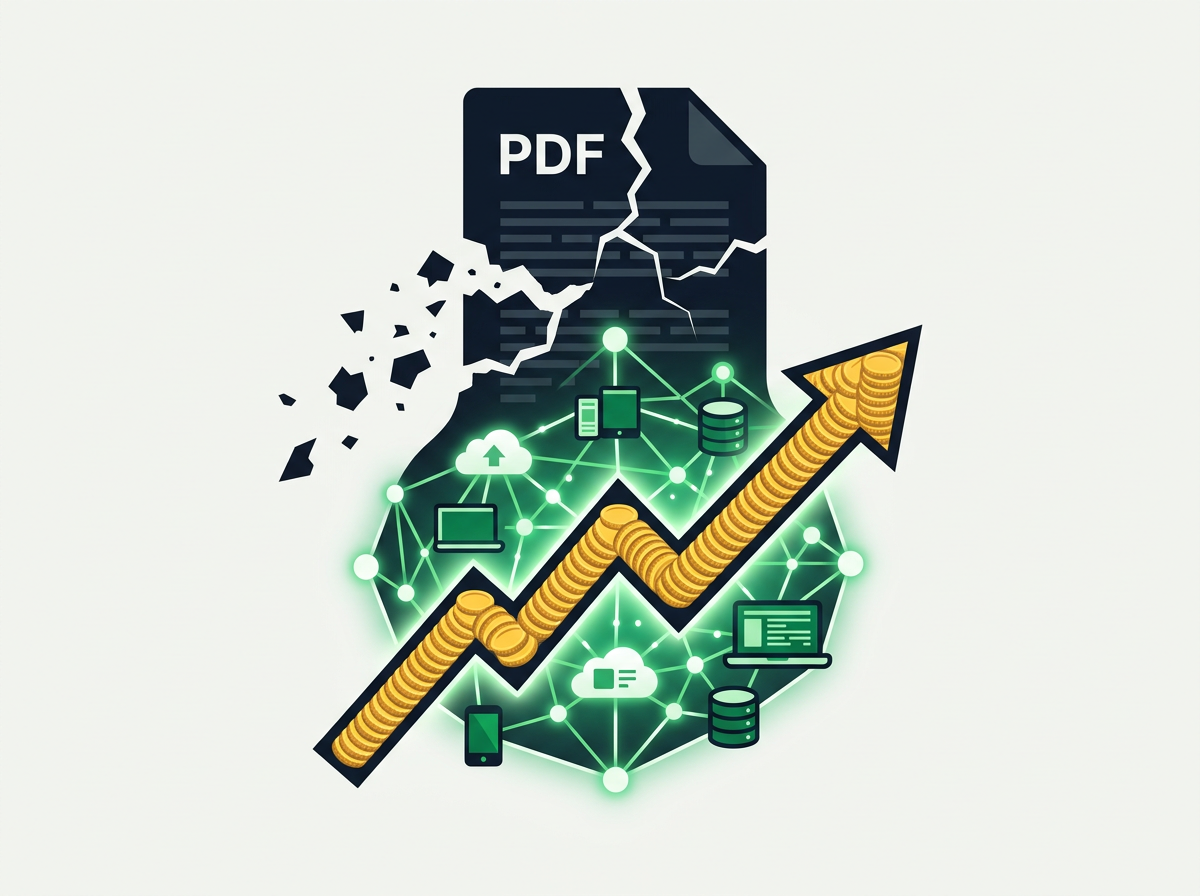
A niche quiz like “AI Readiness Quiz for Executive Coaches” hits 25–40% opt-in rates. A newsletter offer converts at 1–3%. ScoreApp data shows quiz funnels average 30–50% versus 3–10% for PDFs.
Interactive formats engage prospects. A quiz gives instant value: personalized feedback, a score, a custom roadmap. That reciprocity lifts conversion. Only serious prospects invest time in an assessment, so lead quality improves.
A single high-converting lead magnet can yield 150–300 subscribers per month. If 8–12% become clients, you’re looking at 12–36 new clients monthly from one asset. That turns ad spend from a gamble into a growth engine.
Conversion Benchmarks: Paid Traffic to Paying Client
Consider a consultant running Google Ads at $5 per click. With a 35% opt-in rate, you pay about $14.29 per subscriber. If your email sequence converts 10% into $3,000 clients, your CAC is $142.90. That’s sustainable for most coaching businesses.
Compare that to a 2% opt-in on a generic PDF. Your cost per subscriber jumps to $250, and CAC balloons to $2,500. The gap between 35% and 2% isn’t small. It’s the difference between profit and burning cash.
Why Quizzes and Calculators Beat E-Books
Generic AI assets like “10 Marketing Tips” saturate inboxes. Prospects have downloaded a dozen similar PDFs and never opened them. Specificity cuts through: “Marketing Stack Audit for SaaS Consultants” or “Revenue Readiness Calculator for Fractional CMOs” signals clear expertise.
Interactive formats provide instant gratification. A quiz result page highlights strengths, identifies gaps, and leads into your paid offer. A calculator shows ROI or time savings, anchoring your coaching value. Static PDFs sit unopened in downloads folders. Interactive assets drive action.
Quizzes and calculators also capture zero-party data: preferences, pain points, budget levels. That feeds segmented email sequences. You’re not just collecting emails. You’re qualifying leads and personalizing follow-up at scale, all automated by AI.
How to Extract Multiple Lead Magnets from One Blog Post
A three-step AI pipeline (extract, format, personalize) turns any blog into a checklist, swipe file, or calculator in 30 minutes. Add 10–15 minutes for voice and branding. Run this across your top 10 posts to produce 30–50 niche assets in one day.
Start by picking a high-performing blog post. One that ranks well or gets strong engagement. Feed the text into an AI tool like ChatGPT or Claude. Prompt it to extract actionable steps, key frameworks, or decision criteria. The AI identifies the core structure (often a list, process, or decision tree) that already exists in your prose.
Next, tell the AI to reformat that structure into a specific type. For a checklist, ask for bullet points with checkboxes and brief tips. For a calculator, define input variables (budget, time, team size) and output metrics (projected ROI, hours saved). For a quiz, specify 5–10 questions, scoring logic, and 2–4 result profiles.
Step-by-Step: Blog Post to Niche Checklist
Suppose you published “How to Build a Client Referral System.” Prompt an AI tool:
- Extract: “List all steps as a checklist titled ‘Client Referral System Checklist for Executive Coaches.'”
- Format: “Output as a PDF outline with checkboxes, space for notes, and a one-sentence tip per item.”
- Personalize: “Create three variants: one for executive coaches, one for health coaches, one for fractional CFOs.”
In 10 minutes, the AI delivers three checklists. You spend 5–10 minutes editing for brand voice, adding your logo, and tweaking language. Upload each to Canva or a PDF generator, then publish on dedicated landing pages built for paid traffic.
Repeat this across your top 10 posts. If each yields 3–5 variants, you now have 30–50 lead magnets. Each targets a different keyword, audience segment, or ad campaign. This batch approach turns your content library into a lead-gen arsenal without writing from scratch.
Batch-Creating 50 Assets from Your Content Library
Scale the pipeline by feeding AI your entire archive at once. Export all blog posts, podcast transcripts, and webinar slides into a single document or folder. Use a tool like Digital Applied’s AI lead-magnet templates to batch-process files. The AI scrapes your content, identifies recurring themes, then auto-generates downloadable or interactive formats built for paid-traffic landing pages.
You can repurpose podcast transcripts, webinar slides, or client worksheets into lead magnets that answer the exact objections prospects research before they click your ads. If you hosted a webinar on “Pricing Your Coaching Packages,” the AI can extract a “Pricing Calculator for Leadership Coaches,” a “Pricing Decision Tree Checklist,” and a “Value-Based Pricing Quiz” from the same 60-minute recording.
AI Tools That Work for Coaches Running Paid Campaigns
Not all AI tools deliver. The wrong choice burns hours fixing broken outputs or wrestling with clunky designs. When you’re scaling paid acquisition, every hour counts. Here’s what works (and what doesn’t) for coaches who need speed and reliability.
Genspark.ai excels at research and scraping, pulling data from multiple sources to build comprehensive lead magnets. But it often outputs broken PDFs with formatting errors, missing images, or jumbled layouts. If you lack design skills or time, Genspark’s outputs require significant cleanup. Not ideal when you’re trying to launch 10 landing pages this week.
Lovable.dev publishes lead magnets as interactive websites: calculators, templates, decision trees. Modern, mobile-optimized design. No PDF download, no formatting hassles. Prospects complete the tool in-browser, receive instant results, and opt in for a detailed report. This eliminates download friction and boosts mobile conversion on Meta and Google ads, where 60–70% of traffic comes from smartphones.
Tool Comparison: PDF Generators vs. Interactive Builders
| Tool | Best For | Pros | Cons |
|---|---|---|---|
| Genspark.ai | Research-heavy whitepapers | Scrapes multiple sources, comprehensive data | Broken PDFs, requires design skills |
| Lovable.dev | Interactive calculators, mobile-first | Zero download friction, modern UI, instant publish | Limited customization for complex logic |
| Coachvox AI | 24/7 chatbot lead magnets | Evergreen, continuously updates, qualifies leads | Higher learning curve, subscription cost |
| ScoreApp | Quiz funnels with scoring | High conversion, CRM integration | Requires upfront setup, monthly fee |
For consultants running paid campaigns, Lovable.dev and ScoreApp offer the best balance of speed, design quality, and conversion. If you need a static PDF, use Canva or Adobe Express with AI-assisted templates. Skip the broken outputs from research-focused tools.
When to Use a Chatbot as Your Primary Lead Magnet
Coachvox AI turns your content into an evergreen chatbot that answers questions 24/7, captures leads, and updates continuously. It acts as an always-on lead magnet for paid traffic. Prospects land on your page, ask questions, and receive instant answers drawn from your blog posts, frameworks, and methodologies.
At key moments (after delivering a quick win or identifying a pain point) the chatbot prompts users for an email to send a summary, detailed report, or next-step plan. This feels less intrusive than a pop-up form. It converts at higher rates because the prospect has already received value and built micro-trust.
Chatbots shine for coaches with deep content libraries and complex methodologies. If your expertise requires nuance (“it depends on your industry, team size, and growth stage”), a chatbot can navigate those variables dynamically. A static checklist cannot. The trade-off: chatbots require upfront setup (training the AI on your content) and a monthly subscription. But they pay dividends by continuously capturing and qualifying leads without manual updates.
Personalization at Scale with AI-Driven Lead Magnets
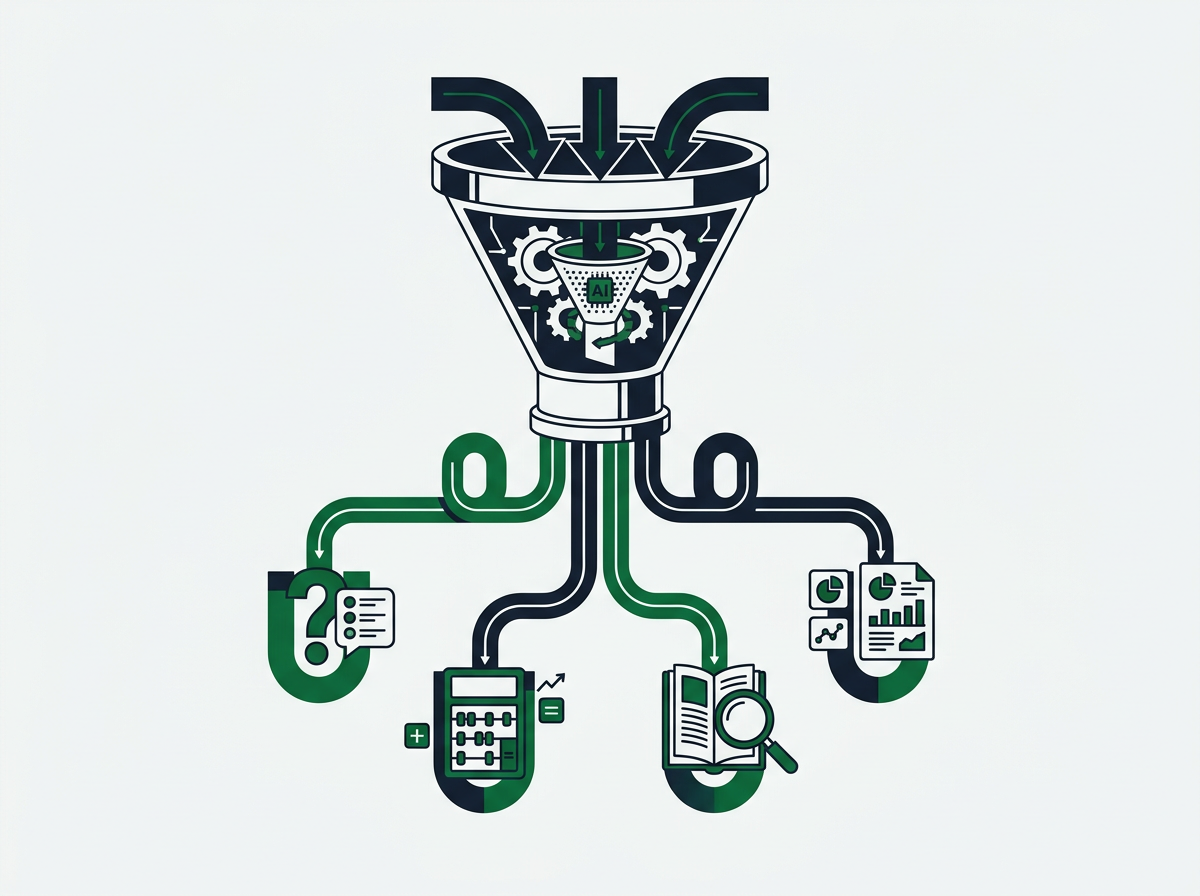
AI segments incoming leads by demographics, behavior, and preferences, then serves personalized content. For example, “Executive Coach Quiz” versus “Health Coach Quiz” from a single ad campaign. This dynamic personalization raises engagement and conversion by matching the exact problem each prospect searched. Critical when you’re paying $3–$15 per click.
Modern landing-page builders (Unbounce, Leadpages, Instapage) integrate with AI tools to detect UTM parameters, referral sources, or user inputs. They swap headlines, images, and lead-magnet offers in real time. A prospect clicking a Google ad for “leadership coaching ROI” sees a “Leadership ROI Calculator.” Someone clicking “team culture assessment” sees a “Culture Health Scorecard.” All from the same root content.
You can auto-tag leads by quiz answers or calculator inputs, feeding CRM workflows that deliver tailored email sequences and booking incentives. If a quiz identifies a lead as “early-stage founder,” your automation sends a 5-email sequence focused on startup work. If the lead scores as “scaling executive,” the sequence shifts to delegation, team building, and strategic planning. Same quiz, different nurture paths. All automated.
Using UTM Parameters and AI to Personalize Landing Pages
Set up paid campaigns with clear UTM parameters: utm_source=google&utm_medium=cpc&utm_campaign=exec-coaching&utm_content=roi-calc. Tell your landing page to read these parameters. Then adjust the headline, subhead, and lead-magnet title. AI tools like Mutiny or Unbounce Smart Traffic do this for you. No coding needed.
A Google ad targeting “executive coaching pricing” might route to a landing page with the headline “Calculate Your Executive Coaching ROI in 60 Seconds” and offer an “ROI Calculator for C-Suite Leaders.” A LinkedIn ad targeting “team performance consulting” routes to “Assess Your Team’s Performance in 3 Minutes” with a “Team Health Scorecard.” Both use the same underlying AI logic. But the framing matches the prospect’s intent.
Be Known uses AI segmentation to ensure every dollar of paid acquisition flows into the highest-intent nurture path. We map UTM data to CRM tags, so your follow-up emails, retargeting ads, and sales calls reference the exact problem the lead clicked on. Every touchpoint feels personalized, not generic.
CRM Integration: Quiz Responses to Automated Follow-Up
Connect your quiz or calculator to your CRM (ActiveCampaign, HubSpot, Keap) via Zapier or native integrations. Map each quiz answer or score range to a CRM tag or custom field. For example:
- Score 0–40: Tag “Awareness Stage,” 7-email educational sequence, blog content
- Score 41–70: Tag “Consideration Stage,” 5-email case-study sequence, low-ticket offer
- Score 71–100: Tag “Decision Stage,” 3-email urgency sequence, calendar link for discovery call
This segmentation ensures high-scoring leads get immediate sales attention. Lower-scoring leads enter longer nurture tracks. It stops spam-and-pray email blasts that annoy qualified prospects. It also prevents underwhelming cold leads. AI-driven personalization at scale means every lead gets the right message at the right time. It happens automatically.
From Lead Magnet to Paying Client: Full Funnel Optimization
A high-converting lead magnet is step one. Pair it with a 3–5 email nurture sequence, a low-ticket offer, or a Calendly link to turn 8–12% of subscribers into paying clients. The funnel doesn’t end at opt-in. It begins there. Your follow-up automation determines whether those 150–300 monthly leads become a pipeline or a forgotten list.
Track cost-per-lead (CPL) and cost-per-acquisition (CPA) religiously. If your AI quiz converts at 35%, a $5 CPL on Google Ads translates to a $14.29 cost per opt-in. That’s predictable and scalable. Multiply by your lead-to-client rate to calculate CPA: $14.29 ÷ 0.10 = $142.90 per client. If your average client lifetime value is $5,000, you have a healthy 35:1 LTV:CAC ratio. That leaves room to scale ad spend aggressively.
Use AI-generated thank-you pages to upsell a $27 mini-course or instant calendar booking. Capture revenue before the first email even sends. After completing a quiz, the result page offers: “Want a personalized 30-minute strategy session to put these insights to work? Book now for $47 (regularly $197).” This tripwire offer converts 5–10% of quiz-takers, offsetting your ad spend and pre-qualifying serious prospects.
Funnel Math: Ad Spend to Client LTV
Let’s model a full funnel for a leadership coach running Google Ads:
- Monthly ad spend: $3,000
- Cost-per-click: $6
- Clicks: 500
- Landing page conversion (quiz): 30%
- New leads: 150
- Cost-per-lead: $20
- Lead-to-client conversion: 10%
- New clients: 15
- Cost-per-acquisition: $200
- Average client LTV: $8,000
- LTV:CAC ratio: 40:1
At 40:1, this funnel is highly profitable and ready to scale. Increase ad spend to $6,000 monthly, double your client acquisition to 30, and maintain the same unit economics. That predictability (enabled by a high-converting AI lead magnet for coaches) transforms paid acquisition from a gamble into a growth lever.
A/B Testing Quiz Questions to Improve Lead Quality
Not all leads are equal. A 30% opt-in rate feels great until you discover only 2% book calls. A/B test your quiz questions to filter for intent and budget early. For example, include a question like “What’s your monthly marketing budget?” with options:
- Under $1,000
- $1,000–$5,000
- $5,000–$10,000
- $10,000+
Prospects selecting “Under $1,000” receive a longer nurture sequence with lower-ticket offers. Those selecting “$10,000+” get immediate calendar booking links and priority follow-up. This pre-qualification improves sales efficiency and ensures your team spends time on high-intent prospects.
Common Mistakes and How AI Fixes Them Fast
The biggest mistake coaches make with AI lead magnets: creating generic, easily replicated offers like “10 Marketing Tips” that AI (and your competitors) can generate in seconds. Instead, go hyper-specific: “Marketing Stack Audit for Fractional CMOs” or “AI Readiness Quiz for Executive Coaches.” Niche, template-based magnets convert 3–5× better because they match precise search intent and signal clear expertise. They turn paid clicks into qualified discovery calls.
Another common error: treating the lead magnet as the end goal. It’s the start of a funnel. If you capture emails but don’t nurture, segment, or follow up, you’re burning ad spend. Build a 3–5 email sequence, a low-ticket offer, or a calendar booking link. The real ROI comes from turning subscribers into paying clients.
AI fixes these mistakes by automating personalization and scale. It generates niche variants from a single source document. It segments leads by behavior and feeds them into tailored nurture tracks. It reduces manual work, so you can focus on closing discovery calls instead of wrestling with design tools.
How to Avoid Generic Lead Magnets
Start with specificity. Don’t build “The Ultimate Guide to Lead Generation.” Build “Lead-Gen Audit for SaaS Consultants Spending $5K+ Monthly on Ads.” The narrower the title, the higher the conversion. Niche magnets signal expertise and match search intent better than broad titles.
Use your existing client questions as quiz prompts. What do prospects ask on discovery calls? What objections do they raise? Turn those into quiz questions or calculator inputs. That way, your lead magnet addresses real pain points, not generic advice.
How Be Known Helps Coaches Scale AI Lead Magnets
Be Known designs, builds, and runs paid acquisition systems for coaches and consultants across the United States. We pair AI lead magnets for coaches with data-driven ad campaigns on Meta, Google, and YouTube. Every dollar of ad spend flows into high-intent nurture paths that close discovery calls.
We don’t just build quizzes and walk away. We map your existing content, extract frameworks, generate interactive assets, then connect them to landing pages, email sequences, and CRM workflows. You get a complete system: traffic, conversion, nurture, and close.
Our clients see 25–40% opt-in rates on cold paid traffic. That predictability turns ad spend into a growth engine. If you’re ready to stop burning cash on generic lead-gen campaigns, start with paid acquisition for coaches and consultants built for scale.
Maximizing ROI: Advanced Tactics for AI Lead Magnet Funnels
Advanced tactics include dynamic content swaps, multi-step quizzes with scoring logic, and AI-powered email personalization. Use tools like ActiveCampaign or HubSpot to send different emails based on quiz scores, UTM parameters, or behavior triggers. Segment every touchpoint.
Add a tripwire offer on the thank-you page. A $27 mini-course or $47 strategy session converts 5–10% of quiz-takers. That revenue offsets ad spend and pre-qualifies serious prospects. It also accelerates the buyer’s journey by moving leads from “curious” to “invested” in minutes.
Use retargeting ads to re-engage quiz-takers who didn’t book a call. Show them testimonials, case studies, or limited-time booking incentives. A well-structured retargeting sequence can lift conversion rates by 20–30%.
Future-Proofing Your Lead Magnet Strategy
AI tools evolve fast. What works today might not work in six months. Future-proof your strategy by focusing on principles, not tools. Specificity beats generality. Interaction beats static. Personalization beats spray-and-pray.
Stay updated on AI developments. Subscribe to newsletters like Digital Applied or follow thought leaders on LinkedIn. Test new tools quarterly. Retire what doesn’t work. Double down on what does.
Build your content library now. The more blog posts, podcasts, and frameworks you create, the more AI lead magnets you can generate later. Your content compounds. Your AI magnets scale.
Your 30-Day AI Lead Magnet Implementation Plan
Here’s a 30-day plan to launch your first AI lead magnet for coaches:
Week 1: Audit and Extract
- Identify your top 10 blog posts by traffic or engagement.
- Feed each into an AI tool (ChatGPT, Claude).
- Extract actionable frameworks, checklists, or decision trees.
Week 2: Format and Design
- Choose 3–5 extracted frameworks.
- Reformat them as quizzes, calculators, or checklists.
- Use Lovable.dev or Canva to design interactive or PDF versions.
Week 3: Build Landing Pages and Sequences
- Create a dedicated landing page for each lead magnet.
- Write a 3–5 email nurture sequence per magnet.
- Connect your CRM and set up automation tags.
Week 4: Launch and Test
- Launch a small Google or Meta ad campaign ($300–$500).
- Track CPL, opt-in rate, and lead-to-client conversion.
- A/B test headlines, quiz questions, and email subject lines.
After 30 days, you’ll have data to scale. Double down on the highest-converting magnet. Pause or iterate on low performers. Repeat the process quarterly to keep your funnel fresh.
Frequently Asked Questions
What is an AI lead magnet and why does it convert better than a PDF?
An AI lead magnet is an interactive or hyper-personalized opt-in offer. Think quiz, calculator, chatbot, or micro-checklist built from your content. Interactive formats convert at 25–40%. Generic newsletter sign-ups convert at just 1–3%. AI lead magnets match specific search intent. They deliver instant value. They engage prospects actively instead of just offering a download.
How long does it take to turn one blog post into multiple lead magnets using AI?
A three-agent AI pipeline (extraction, formatting, personalization) can convert a single blog post into a checklist, swipe file, or calculator in under 30 minutes, with 10–15 minutes of human editing for voice and branding. Running this across your top 10 posts can yield 30–50 unique niche assets in one day, each tailored to a different audience segment.
Which AI tools are best for coaches creating lead magnets at scale?
Lovable.dev is preferred for interactive, web-based lead magnets (calculators, templates) that publish instantly and look modern on mobile. Ideal for paid-traffic landing pages. Genspark.ai handles heavy research and scraping but often outputs broken PDFs. Coachvox AI builds an evergreen chatbot from your content, acting as a 24/7 lead magnet that continuously captures and qualifies prospects without manual updates.
How do AI lead magnets improve my paid-acquisition ROI?
High-converting AI lead magnets (25–40% opt-in rates) lower your cost-per-lead and increase list quality. For example, a $5 CPL on Google Ads with a 35% quiz conversion yields a $14.29 cost per subscriber. When 8–12% of those leads become clients, your customer-acquisition cost stays predictable and scalable, making every ad dollar work harder than generic contact-us campaigns.
Can I personalize AI lead magnets for different niches without creating separate content?
Yes. AI algorithms segment incoming leads by demographics, behavior, and UTM parameters, then serve personalized versions (for example, Executive Coach Quiz versus Health Coach Quiz) from a single source document. This dynamic personalization raises engagement and conversion because each prospect sees an offer that matches their exact search or ad click, all automated via your CRM or landing-page builder.
What’s the biggest mistake coaches make with AI-generated lead magnets?
Creating generic, easily replicated offers like 10 Marketing Tips that AI and your competitors can generate in seconds. Instead, go hyper-specific: Marketing Stack Audit for Fractional CMOs or AI Readiness Quiz for Executive Coaches. Niche, template-based magnets convert 3–5× better because they match precise search intent and signal clear expertise, turning paid clicks into qualified discovery calls.
How can coaches use AI to create effective lead magnets?
Coaches can feed existing content like blog posts, videos, podcasts, frameworks into AI tools to generate quizzes, diagnostic scorecards, checklists, templates, and mini email courses. AI repackages and personalizes this material, while integrated forms or chatbots capture email addresses and segment leads for targeted follow-up across the United States.
What are examples of AI-powered lead magnets for coaches?
Strong AI-powered lead magnets include diagnostic quizzes and personalized assessments. Content calendar generators work well too. AI chatbots trained on your content are effective. Custom GPT-style tools that solve a specific problem also perform. These experiences analyze user inputs. They deliver customized insights. Then they invite visitors to subscribe, book a call, or receive a tailored action plan by email.
How do AI chatbots work as lead magnets for coaching businesses?
AI chatbots, like those from Coachvox AI, Chatbase, or CustomGPT, are trained on your coaching content and style. They answer questions, offer quick wins, and build trust in real time. At key moments they prompt users for an email to send a summary, report, or next-step plan, turning anonymous visitors into qualified leads nationwide.
What types of AI assessments convert best for coaches?
Data from marketing providers shows that quizzes and assessments often convert at 30–50%. That’s much better than most static PDFs. For coaches, the best options include scorecards that rate users on key pillars. Behavior-based quizzes work well too. AI-enhanced tools can create personalized roadmaps. Follow up with tailored email sequences. Then invite leads to discovery calls.
How can I turn my old content into an AI quiz or scorecard?
Start by identifying 4–6 pillars you consistently teach. Use past blogs, podcasts, or training outlines to define success criteria and common mistakes for each. Feed this into an AI tool (for example, ScoreApp-style logic or a custom GPT) to draft questions, scoring rules, and 2–4 result profiles that naturally lead into your paid coaching offer.
Is using AI for lead magnets worth it for coaches and consultants?
Yes, for most U.S.-based coaches the return is strong if the tool solves a specific problem and ties clearly to your offer. AI reduces creation time, increases personalization, and allows 24/7 engagement. Costs are typically low subscription fees, while benefits include higher opt-in rates, better segmentation, and more qualified sales conversations.
References & Further Reading
- Digital Applied’s AI lead-magnet templates digitalapplied.com
- Genspark.ai excels at research and scraping annikahelendi.substack.com
- Coachvox AI turns your content into an evergreen chatbot coachvox.ai