
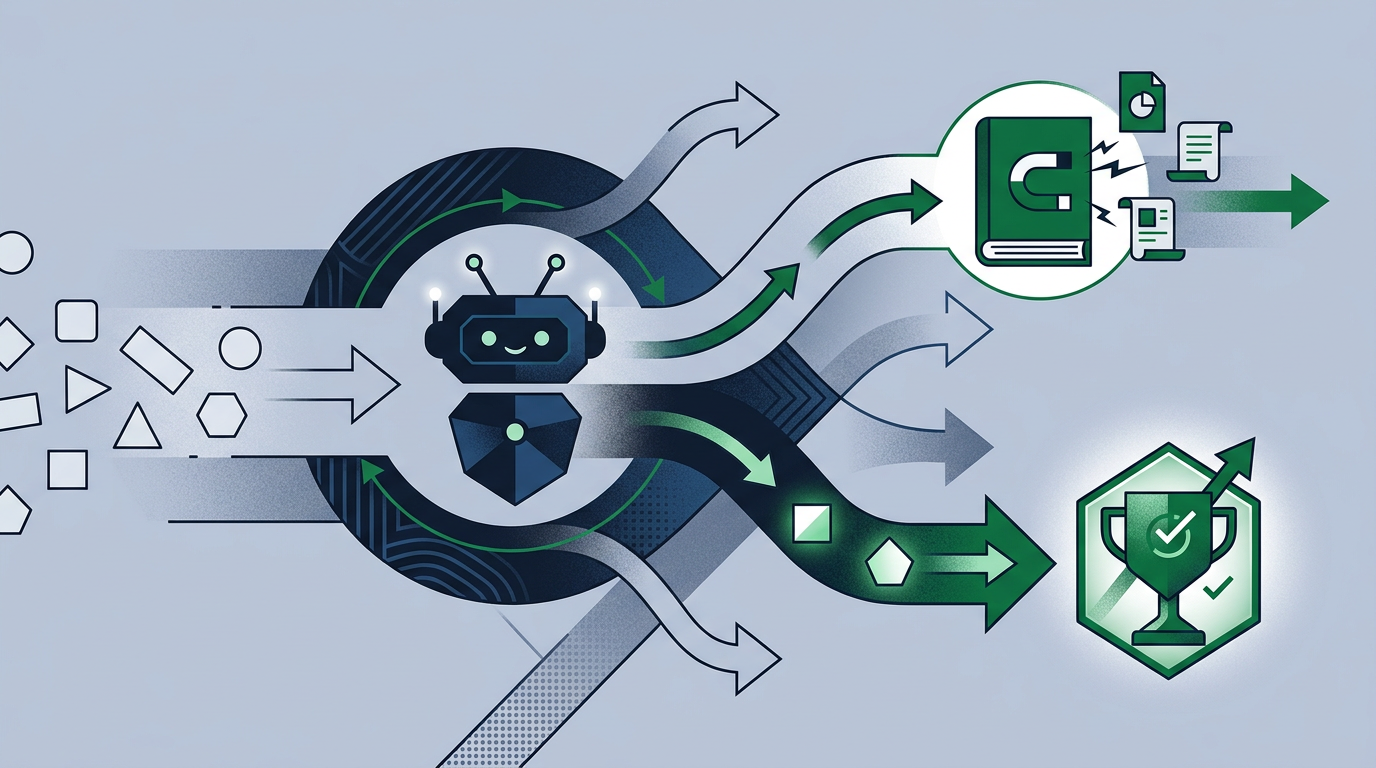
Converting Cold Meta and Google Ad Traffic with AI-Built Lead Magnets for Coaches and Consultants
AI-built lead magnets convert cold Meta and Google ad traffic at 30–40%, far outperforming static PDFs at 3–5%. Interactive quizzes and calculators deliver instant value, filter high-intent prospects, and cost 33% less per qualified lead when paired with automated follow-up.
Cold traffic from paid ads costs money. Most visitors leave without converting. For coaches and consultants, the difference between profitable paid acquisition for coaches and consultants and wasted spend comes down to your lead magnet.
Traditional PDF guides convert at just 3–5% from cold traffic. AI-built lead magnets deliver 30–40% opt-in rates with 85%+ completion. Be Known helps coaches nationwide deploy these assets, integrated with Meta Conversion API and Google Enhanced Conversions, to turn clicks into booked calls.
Why Interactive AI-Built Lead Magnets Outperform Static PDFs
Quizzes and calculators deliver personalized insight in under five minutes. A 47-page ebook forces prospects to download, open, and read before they get value.
According to Prospeo’s lead magnet research, quizzes achieve 30–40% opt-in rates with 85%+ completion from cold traffic. PDFs convert at only 3–5%. That gap cuts cost per lead from $50 to $15 on the same budget.
Quiz, Calculator, or Assessment: Which Format Wins?
Different niches respond to different formats. Executive coaches see the best results with leadership assessments. These tools deliver personal scores. Business consultants win with ROI calculators. They show lost revenue in real numbers.
Health coaches convert best with quizzes that segment by challenge type: burnout, weight, energy. Marketing consultants succeed with funnel audits that grade current strategy. Each format delivers instant gratification and positions you as the expert.
- Quizzes segment leads by pain point, stage, or vertical for personalized follow-up
- Calculators quantify problems in finance, operations, and growth consulting
- Assessments help prospects benchmark themselves and spot blind spots
AI generates targeted quiz logic, scoring models, and result copy in under an hour. Test multiple concepts against Meta and Google traffic. Retire underperformers after 100 opt-ins.
Benchmarking Your Lead Magnet Opt-In Rates
Industry data shows Meta ads average 3.52% opt-in rates and Google ads 5.02% for lead magnets. But those averages mask huge quality gaps. Generic PDFs pull the average down. Interactive, promise-specific magnets pull it up.
If your current Meta or Google lead magnet converts below 10%, it’s too broad, too long, or too passive. Lead magnets with clear, specific promises convert about 30% better than vague guides.
| Lead Magnet Type | Opt-In Rate (Cold Traffic) | Completion Rate |
|---|---|---|
| Static PDF ebook | 3–5% | Low |
| Interactive quiz | 30–40% | 85%+ |
| ROI calculator | 25–35% | 80%+ |
| Short checklist | 15–25% | Varies |
Interactive formats show expertise and filter high-intent prospects. When someone completes a 10-question quiz, they’ve invested time. They’re primed to book a call. A PDF download often gets forgotten.
How to Use AI to Build Lead Magnets That Pre-Qualify Buyers
AI-built lead magnets fail when they sound generic or attract tire-kickers. The fix: prompt AI with your ideal client’s top pain point, desired outcome, and budget range to generate concepts that pre-qualify leads.
Feed your AI tool real data: client objections from discovery calls, testimonials with specific transformations, and exact language prospects use. This first-party input ensures your lead magnet sounds like your voice.
Crafting AI Prompts for Expert-Level Lead Magnets
Generic AI prompt: “Create a lead magnet for coaches.” Result: A bland “10 Tips to Grow Your Coaching Business” that converts at 3%.
Specific AI prompt: “Write a 10-question quiz for executive coaches targeting Fortune 500 VPs. Use direct, consultative language. Focus on leadership blind spots that cost companies top talent. Each question reveals a gap between current behavior and best practice. Deliver a personalized scorecard with three next steps based on answers.”
The second prompt creates a lead magnet that works. It filters for senior decision-makers. It shows your expertise. It positions you as the solution. Being specific is key. It’s what separates freebie seekers from ready-to-buy clients.
- Specify tone and industry jargon so AI matches your brand voice
- Include your unique methodology in the prompt to reinforce your IP
- Request qualification questions inside quizzes to segment tire-kickers from serious prospects
- Ask AI to generate follow-up sequences tailored to each quiz result
Using First-Party Data to Train AI
Your best lead-magnet ideas exist in your CRM, inbox, and discovery-call notes. Pull recurring objections, buying triggers, and verbatim language. Feed this first-party data into AI prompts.
If three prospects said, “I’m spending $10k/month on ads but my sales team says the leads are junk,” your AI prompt becomes: “Create an ROI calculator for B2B consultants that shows revenue lost to unqualified leads. Include fields for monthly ad spend, lead volume, and sales-team close rate. Output a personalized report that quantifies the cost of poor lead quality.”
This approach ensures your lead magnet addresses the exact problem your market already spends money to solve. It pre-qualifies leads: only prospects with real budget and pain will complete the calculator and book a call.
Integrating AI-Built Lead Magnets with Meta and Google Tracking
An AI-built lead magnet is worthless if your ad platforms don’t know which leads book calls. Without proper tracking, Meta and Google optimize for cheap opt-ins, not revenue. The fix: plug quiz completions and assessment downloads into Meta’s Conversion API and Google’s Enhanced Conversions.
Server-side tracking sends first-party data directly from your CRM or funnel software to Meta and Google. This data teaches ad platforms which cold-traffic profiles convert downstream.
Setting Up Server-Side Tracking
Most coaches rely solely on browser-based tracking via Meta Pixel and Google Tag. But iOS privacy changes mean 20–40% of conversions go unreported. Server-side tracking closes that gap by sending events directly from your back end.
To connect your AI lead magnet to Meta Conversion API and Google Enhanced Conversions:
- Use a funnel platform that supports native integrations or middleware like Zapier
- Configure your CRM to fire conversion events when a lead completes a quiz, books a call, or becomes an SQL
- Map first-party data into Meta’s and Google’s enhanced match parameters
- Track multiple conversion events: opt-in, quiz completion, call booked, show rate, closed-won
Without this setup, your campaigns optimize for the wrong outcome. With it, you can convert cold traffic with AI-built lead magnets that drive real revenue.
Feeding Quiz Data Back to Ad Platforms
Quiz responses and assessment scores tell you which cold-traffic segments are high-intent before they book a call. Pass this data back to Meta and Google so algorithms find more of the right people.
If your quiz asks, “What’s your current monthly revenue?” and segments into $0–10k, $10k–50k, and $50k+, tag leads in your CRM with that revenue band. Then send a custom conversion event back to Meta Conversion API when someone scores above a threshold.
Meta and Google will start prioritizing traffic that looks like your high-intent leads, cutting cost per qualified demo by 30% or more.
The 60-Minute AI Workflow: From Concept to Campaign
Speed is a competitive advantage. The faster you test a new lead-magnet concept, the faster you find the winner that scales. AI collapses what used to take a week into a single focused hour.
Here’s the exact workflow Be Known uses to launch AI-powered lead magnets for coaches and consultants:
Step 1: Generate Lead-Magnet Concepts
Prompt your AI tool: “I’m a [type of coach] serving [ideal client]. My clients’ top three pain points are [A, B, C]. Generate five interactive lead-magnet concepts that solve one specific problem and deliver instant, personalized results. Each concept should include a working title, a one-sentence promise, and three sample questions.”
Review the output. Pick the concept that aligns best with your current offer and the pain point your ads will target. Refine the title to be hyper-specific: “5-Minute Funnel Audit for High-Ticket Coaches” beats “Free Marketing Assessment.”
Step 2: Build the Asset
Use AI content generation plus no-code tools to publish your lead magnet. For quizzes, platforms like Typeform, Outgrow, ScoreApp, and HighLevel let you import AI-generated questions and scoring logic in minutes.
For short guides or checklists, use AI to draft the content, then format it in Canva, Gamma, or Notion. Export as PDF or host as a web page. Your lead magnet should deliver value in under 10 minutes. Longer assets tank conversion rates on cold traffic.
Step 3: Generate Ad Creative
Prompt AI: “Write three Meta ad variations for a quiz titled ‘[Your Title].’ Target audience: [ideal client]. Pain point: [specific challenge]. Tone: [consultative]. Each ad should include a headline, primary text (under 125 characters), and a clear CTA. Use curiosity and specificity, not hype.”
For Google responsive search ads, prompt: “Write 10 headlines (under 30 characters each) and 4 descriptions (under 90 characters each) for a Google Search ad promoting ‘[Your Lead Magnet].’ Emphasize speed, personalization, and the specific outcome. Include ‘AI-built lead magnets’ in at least three headlines.”
AI-generated ad copy often needs light editing for brand voice, but it gives you multiple angles to test in minutes. Launch 2–3 creative variations per lead magnet and let performance data pick the winner.
Step 4: Deploy Email Nurture Sequences
Prompt AI: “Write a five-email nurture sequence for someone who completed my ‘[Lead Magnet Title]’ quiz and scored [low/medium/high]. Email 1: Deliver the quiz results and explain what the score means. Email 2: Share a case study relevant to their score. Email 3: Address the top objection for their segment. Email 4: Offer a free discovery call with a time-sensitive reason to book. Email 5: Last-chance reminder with social proof. Tone: consultative, length: 150–200 words per email.”
Segment your email automation by quiz score, vertical, or qualifying answers. This behavior-based follow-up increases relevance and call-booking rates.
No-Code Tools to Publish in Minutes
You don’t need a developer to launch AI-built lead magnets. Modern no-code platforms handle everything from quiz logic to CRM integration:
- Typeform: Clean quizzes with conditional logic and native integrations
- Outgrow: Interactive calculators and quizzes with advanced branching
- ScoreApp: Purpose-built for lead-scoring quizzes; delivers professional scorecards
- HighLevel: All-in-one platform with AI Studio for generating quiz questions, funnel pages, and emails
- Canva, Gamma, Tome: AI-powered design tools for short guides and checklists
Each tool connects to Zapier or has native integrations with major email platforms for automated delivery and segmentation.
Why 79% of Leads Never Convert and How AI Nurture Fixes It
Most coaches celebrate when a cold Meta or Google ad delivers opt-ins. But opt-ins aren’t revenue. Research shows about 79–80% of marketing leads never convert into customers. The reason: follow-up is generic, delayed, or nonexistent.
AI-powered nurture sequences fix this gap. They deliver behavior-based emails, SMS, and DMs within minutes of opt-in. Companies with strong nurture generate 50% more sales-ready leads at 33% lower cost.
Segmenting Leads by Quiz Score
When someone completes your AI-built quiz, their score and answers reveal where they are in the buying journey. A high score signals high intent and immediate pain. A mid-range score suggests awareness but uncertainty. A low score often means early-stage curiosity.
Use AI to build separate nurture paths for each segment:
- High-intent (top 20%): Send immediate booking link, case study, and testimonial. Follow up within 24 hours with a personalized video. Offer a time-limited bonus to create urgency.
- Mid-range (middle 50%): Deliver educational content that addresses objections. Share a mini-case study. Invite to a live Q&A or group training.
- Low-intent (bottom 30%): Add to long-term nurture with weekly tips and case studies. Retarget with ads for lower-commitment offers like webinars or workshops.
This segmentation ensures you don’t waste high-touch sales effort on low-intent leads while giving high-intent prospects the immediate attention they need.
Automating Multi-Channel Follow-Up
Email alone isn’t enough. High-intent leads expect fast, multi-channel follow-up. AI can generate personalized SMS, LinkedIn messages, and video scripts based on quiz results.
Use tools like HighLevel, ActiveCampaign, or HubSpot to trigger SMS when a high-intent lead completes your quiz. Send a LinkedIn connection request with a personalized note referencing their score. Record a quick Loom video walking through their results.
This multi-channel approach cuts time-to-call and increases show rates. It’s how top coaches turn cold ad traffic into booked calls within 24–48 hours.
Testing and Scaling Your AI-Built Lead Magnets
Don’t guess which AI-built lead magnet will win. Test multiple concepts with small budgets, measure performance, and scale the winner. AI makes it easy to launch three to five variations in parallel.
Setting Up A/B Tests on Meta and Google
Start with a $20–50/day test budget per lead magnet. Run each for 100 opt-ins or 7–14 days, whichever comes first. Track opt-in rate, cost per lead, and cost per booked call.
On Meta, use Campaign Budget Optimization (CBO) to let the algorithm shift spend toward the best-performing lead magnet. On Google, run separate ad groups for each magnet and compare conversion rates.
Retire underperformers after 100 opt-ins. Double down on winners by increasing budget 20–30% every three to five days as long as cost per booked call stays stable.
Key Metrics to Track
Don’t optimize for vanity metrics. Track metrics that predict revenue:
- Opt-in rate: Percentage of ad clicks that convert to leads. Target 15%+ for cold traffic.
- Cost per lead: Total ad spend divided by leads. Benchmark against your average deal size.
- Cost per booked call: Total ad spend divided by calls scheduled. This is your true cost of acquisition.
- Show rate: Percentage of booked calls that show up. Target 50%+.
- Close rate: Percentage of calls that convert to paid clients. Track by lead magnet to identify quality gaps.
If a lead magnet delivers cheap opt-ins but low show rates and close rates, it’s attracting the wrong people. Refine your messaging or add qualification questions to filter better.
Scaling Without Breaking Unit Economics
Once you find a winning AI-built lead magnet, scale slowly. Increase budget 20–30% every three to five days. Monitor cost per booked call and close rate. If either metric degrades, pause and refine your targeting or creative.
Add new ad creative every 7–10 days to combat ad fatigue. Use AI to generate fresh angles, headlines, and hooks based on what’s working. Test new audiences by lookalike expansion or interest targeting.
For coaches and consultants, profitability lives in the back end. Your AI-built lead magnet should break even or profit slightly on front-end acquisition. Real revenue comes from upsells, renewals, and referrals.
Keep reading: see all of our client acquisition guides, or talk with us about your own setup.
Frequently Asked Questions
What type of AI-built lead magnet converts best for cold Meta and Google traffic?
Interactive quizzes and ROI calculators convert at 30–40% for cold traffic, far outperforming static PDFs (3–5%). Choose formats that deliver instant, personalized results like ‘5-Minute Funnel Audit for High-Ticket Coaches’ and solve one specific pain point. AI can generate quiz logic, scoring, and follow-up sequences in under an hour, letting you test multiple concepts quickly.
How do I get AI to produce on-brand lead magnets instead of generic content?
Feed your AI tool real data. Use client objections and discovery-call transcripts. Add testimonials and your unique method. Be clear about tone and industry terms. State the outcome you want in your prompts. For example: ‘Write a quiz for executive coaches who target Fortune 500 VPs. Use direct language and a consultative tone. Focus on leadership blind spots.’ Review the AI output. Refine it to match your voice.
Should I use a quiz, short PDF, or mini-video training for cold ad traffic?
Start with an interactive quiz or assessment. They deliver the highest opt-in and completion rates (30–40% with 85%+ finish). Run A/B tests on Meta or Google with $20–50/day budgets, tracking opt-in rate and cost per booked call. Retire underperformers after 100 opt-ins and double down on winners. AI makes it easy to launch multiple formats in parallel.
How do I connect AI lead magnets to Meta Conversion API and Google Enhanced Conversions?
Use server-side tracking tools (e.g., Zapier, Segment, or native integrations) to send quiz completions, assessment scores, and qualifying answers to Meta’s Conversion API and Google’s Enhanced Conversions. Pass first-party data (email, phone, quiz results) into your CRM, then feed high-intent actions back to ad platforms so algorithms optimize for call bookings and closed clients, not just opt-ins.
Why do 79% of marketing leads never convert, and how does AI nurture help?
Most leads don’t convert because follow-up fails. It’s often generic, late, or missing. AI-powered nurture sequences fix this. They send behavior-based emails, SMS, and DMs. These messages are sorted by quiz score and engagement. They go out within minutes of opt-in. Companies with strong nurture get 50% more sales-ready leads. They spend 33% less per lead. This matters for high-ticket coaching. That’s where revenue happens after opt-in.
How quickly can I launch an AI-built lead magnet and paid ad campaign?
Using AI, you can generate a quiz concept, build the asset, write ad copy, and deploy email sequences in under 60 minutes. Start with a $20–50/day Meta or Google test budget, collect 100+ opt-ins, then scale the winner. Be Known’s team in Knoxville, TN helps coaches and consultants nationwide execute this workflow, from concept to optimized campaign, in days, not weeks.
What is an AI-built lead magnet?
An AI-built lead magnet is a free resource. It can be a quiz, checklist, template, or mini-guide. AI tools create or help build it. AI handles research, writing, and design. This lets you quickly make tailored offers. These offers capture email addresses from cold traffic. You’ll find this traffic on Meta and Google.
How do I create a lead magnet with AI?
Start by defining a specific problem your ideal client wants solved. Use AI tools (e.g., ChatGPT, Gemini, Claude, or specialized lead-magnet generators) to outline, draft, and refine the content. Then use AI design tools like Canva, Gamma, or Notion to format it, and connect it to your email service or funnel software for automatic delivery.
References
- Prospeo’s lead magnet research , prospeo.io
- Meta ads average 3.52% opt-in rates and Google ads 5.02% , provesrc.com