
↳ Auditing Engagement
↳ Interactive Lead Magnets
↳ Analyze Footprints
Why AI Prompts Transform Lead Magnet Performance

Most lead magnets fail because they focus on downloads instead of engagement. AI prompts for lead magnet content change this. They audit existing assets, personalize follow-ups, and qualify leads through behavior. Interactive tools convert 3–5× better than static PDFs. They deliver personalized value at the point of contact.
Coaches and consultants working with Be Known use AI-driven workflows to reduce cost per acquisition. They scale pipeline nationwide. Short-form content like checklists converts 58.6% better than long guides. This makes AI-designed micro-assets essential for paid acquisition for coaches and consultants.
The ROI Gap: Downloads vs. Consumption
80% of downloaded lead magnets go unopened. This creates a false sense of pipeline health. It burns ad spend on unqualified leads. AI prompts help you redesign assets for consumption rather than collection.
You’ll shift from vanity metrics (downloads) to meaningful ones. Track opens, time spent, and CTA clicks. When you know which magnet sections drive follow-up conversations, you can optimize ad creative. You can improve landing pages and nurture sequences to match actual engagement patterns.
How Interactive Formats Lower CAC
Interactive lead magnets like quizzes, calculators, and assessments deliver personalized insights based on user input. This two-way exchange qualifies leads while they consume content. A calculator that outputs ROI projections for your coaching service captures qualifying data. It doesn’t need a sales call.
Interactive formats surface buyer intent through behavior rather than forms. This reduces cost per qualified lead. Generative AI usage in marketing and sales has nearly doubled. This raises the bar for personalization in paid funnels. Coaches who use AI-driven interactivity see 3–5× conversion lifts.
Essential AI Prompts for Auditing Engagement
Before building new lead magnets, audit existing assets. This spots consumption blockers. AI prompts can check readability, time-to-value, and CTA clarity. These factors decide whether a downloaded guide becomes a booked call or a forgotten PDF.
Try: “Audit this [lead magnet] for readability, time-to-value, and CTA clarity to boost usage post-download.” Then use: “Find sections in this guide that cause drop-off. Suggest micro-commitments to improve follow-up conversion.” This reveals where prospects lose interest. It shows where strategic CTAs can re-engage them.
- Shift metrics from opt-ins to consumption tracking
- Assign channel owners for performance
- Map content structure to buyer journey stages
- Test engagement hooks that promise value in under 5 minutes
Prompts to Identify Funnel Drop-Off
Funnel analytics show where prospects abandon your lead magnet. AI prompts diagnose why. Ask: “Analyze this lead magnet’s structure. Identify the 3 sections most likely to cause reader fatigue or confusion.” Then follow with: “Suggest interactive elements (checklists, decision trees, calculators) to replace passive content in those sections.”
This transforms static content into experiences. A 15-page guide on client acquisition becomes a 5-section journey. It includes embedded readiness quizzes, budget calculators, and progress trackers. Each interaction collects data while delivering value.
- “Map the reading flow. Flag sections where decision fatigue is likely.”
- “Identify jargon that could confuse [target audience]. Rewrite for 8th-grade reading level.”
- “Suggest 3 visual breaks (infographics, pull quotes, progress bars) at fatigue-prone sections.”
- “Analyze CTA placement. Recommend where micro-commitments would re-engage dropping readers.”
Tracking Consumption Over Downloads
Most CRMs track download events but ignore what happens after. AI prompts can design consumption-tracking workflows. Use: “Build a lead scoring model that weights time spent on magnet pages, CTA clicks, and return visits over download completion.”
Try progressive profiling: “Create a 3-touchpoint sequence. Unlock bonus content sections based on completion of previous sections. Capture pain-point data at each gate.” This turns one asset into a multi-step qualification path.
- “Design a dashboard tracking page depth, scroll velocity, and time-on-page.”
- “Build a workflow that tags CRM contacts based on magnet completion percentage.”
- “Create email trigger rules: send follow-up A if prospect reads less than 50%. Send follow-up B if 51–99%. Send follow-up C if 100% plus CTA click.”
- “Generate a weekly consumption report. Show which sections have highest and lowest engagement.”
Build Interactive Lead Magnets That Qualify
Interactive lead magnets generate 3–5× more conversions. They deliver personalized insights. Instead of downloading a generic checklist, prospects interact with tools. These tools produce custom recommendations based on their inputs. This self-qualification reduces sales cycle length.
Create tools using prompts like: “Build a readiness score calculator for [coaching niche]. It should capture budget, timeline, and pain-point urgency.” The tool outputs a score with tailored next steps. High scorers receive calendar links. Low scorers get nurture content.
- Design ROI calculators that output personalized savings estimates
- Build skills assessments identifying gaps and recommending next steps
- Create prioritization tools that help audiences rank competing solutions
- Develop scenario planners showing revenue projections at different investment levels
No-Code AI Tools for Qualification
No-code AI platforms let you deploy interactive magnets without developers. Prompt: “Using Google AI Studio, create a chatbot. It should ask 7 qualifying questions. Route prospects to tier-specific landing pages based on answers.” This automation handles initial qualification at scale.
The chatbot captures structured data (industry, team size, current challenge). It provides personalized recommendations. High-fit prospects receive calendar invites. Others enter nurture sequences.
Prompts for Building Quizzes
Quizzes combine engagement with data collection. Prompt: “Create a 10-question readiness assessment for [coaching program]. Score prospects on awareness, resources, and urgency. Deliver segmented next steps.” The quiz identifies where prospects sit in the buying journey.
Segment output by score ranges. Send educational content for 0–30. Share case studies and demos for 31–60. Provide calendar links for 61–100. This ensures paid acquisition budgets fuel conversations with qualified prospects.
Analyze Prospect Digital Footprints
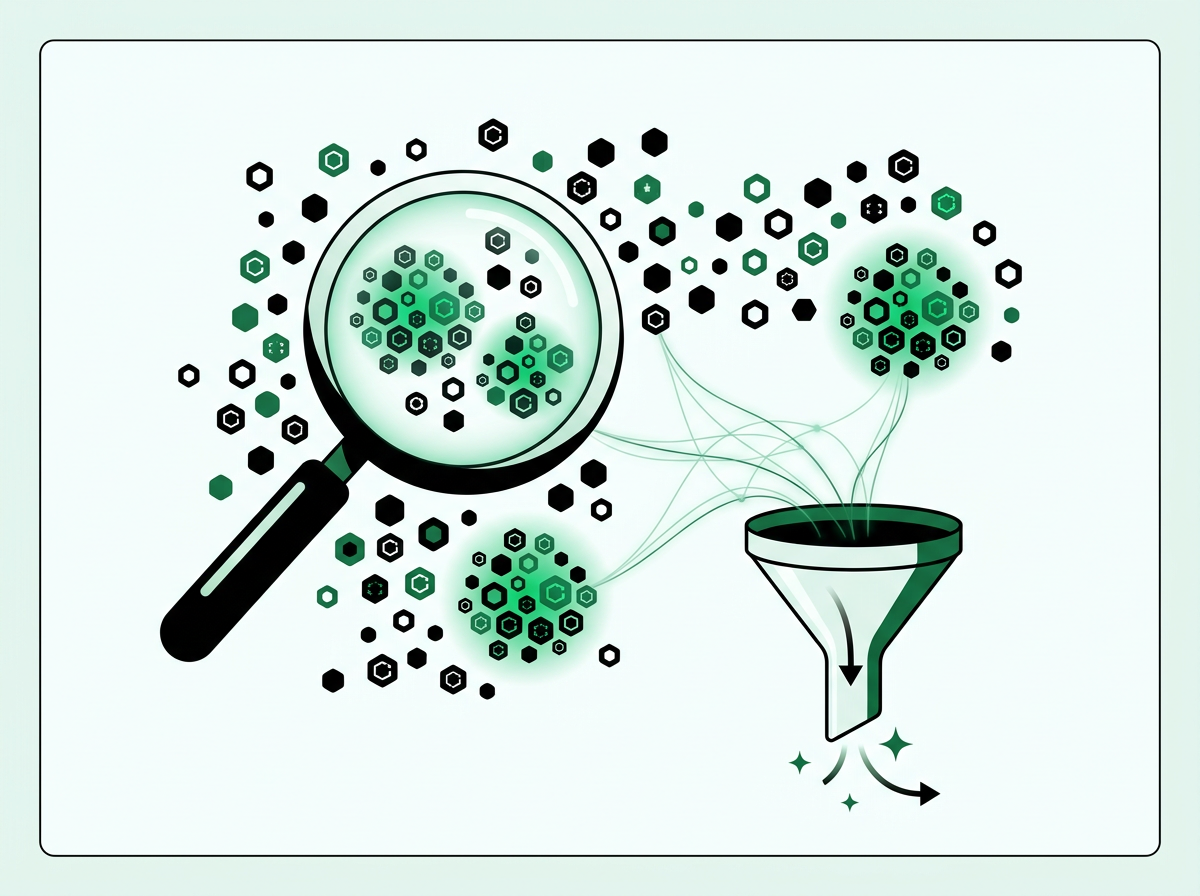
AI prompts mine publicly available data to uncover prospect priorities. Extract priorities from LinkedIn activity: “Analyze [prospect name]’s last 10 posts and comments. Identify top 3 business challenges. Recommend personalized offer angles.” This research takes minutes instead of hours.
Generate content ideas with: “Review [competitor audience] discussions on [platform]. List 5 pain points not addressed by existing lead magnets in [niche].” This reveals gaps your assets can fill. When prospects see content addressing their unspoken frustrations, conversion rates climb.
- Create ranked account lists by digital intent signals
- Map content consumption patterns to suggest magnet angles
- Identify urgency triggers from recent funding, hiring, or product launches
- Benchmark against competitors to identify gaps your service addresses
Prompts for Intent Data Analysis
Paid social platforms offer engagement data that signals buying intent. Prompt: “Analyze the last 50 comments on [competitor]’s ads. Extract the 5 most frequent objections or questions. Address them in our lead magnet.” This audience research informs asset creation, ad creative, and landing page copy.
Use: “Review engagement patterns on our last 10 Facebook ads. Look at likes, shares, comments, and click-through. Identify the 3 messaging themes that drive highest-quality traffic.” This feedback loop ensures your lead magnets match what paid audiences actually care about.
Turning Research Into Personalized Follow-Ups
Research outputs become follow-up inputs. Prompt: “Using [prospect]’s LinkedIn activity summary, write a 3-email nurture sequence. Reference their stated challenges. Position [lead magnet] as a solution.” Personalization at this level transforms generic drip campaigns into relevant conversations.
Coaches and consultants nationwide working with Be Known use these AI-driven workflows. They scale personalized outreach without adding staff. When every follow-up reflects genuine understanding of a prospect’s context, trust grows. Sales cycles shorten.
Micro-Workflow Prompts That Lower CAC
Micro-workflow prompts automate repetitive tasks. They keep personalization intact. Design role-specific output. Generate a 7-day email sequence for leads who downloaded your magnet. Segment by job title and engagement level. This ensures CEOs receive strategic framing. Operations managers get tactical steps.
Automate personalized offers with: “Create 3 CTA variations for [lead magnet]. Base them on user input (budget, urgency, pain point). Test them in paid ad follow-ups.” Dynamic CTAs respond to how prospects interact with content. They present calendar links to ready buyers. They offer resource libraries to researchers.
- Build 2-week funnel tests comparing interactive vs. static magnets
- Sequence by engagement milestones with escalating CTAs
- Optimize send timing based on past campaign patterns
- Generate urgency hooks without discounting
60% of B2B seller work will use generative AI by 2028. Micro-workflows bridge the gap between mass automation and white-glove service. They preserve relationship quality while expanding reach.
Prompts for Sequencing Follow-Ups
Behavioral triggers outperform time-based sequences. Prompt: “Create a 5-email follow-up sequence for [lead magnet]. Send messages triggered by page visits, CTA clicks, and return visits rather than fixed intervals.” This ensures prospects receive next steps when they’re actively engaged.
Layered engagement prompts deepen qualification. Design a 3-tier content unlock system. Each section of your lead magnet requires a micro-commitment to access. Examples include a LinkedIn connection, calendar hold, or referral intro. This separates tire-kickers from serious prospects without friction.
A/B Testing Frameworks
Structured testing reveals what works for your audience. Prompt: “Build a 30-day test plan. Compare quiz-based vs. checklist-based lead magnets in Google Search ads. Track cost per lead, MQL rate, and pipeline contribution.” Define success metrics upfront. This makes optimization decisions data-driven.
Use this prompt: “Generate ad copy variations for interactive and static magnets. Highlight different value propositions to test messaging fit.” This uncovers whether your audience prioritizes customization or comprehensive coverage. Be Known helps coaches and consultants nationwide test these frameworks. They scale with paid ads systematically.
Structure Lead Magnets With Optimized CTAs
Embed micro-CTAs throughout content. This guides prospects through decision journeys. Prompt: “Rewrite this 10-page guide into 5 sections. Each section should end with a low-friction next step (book call, access bonus, join community).” This prevents the all-or-nothing dynamic of single-CTA magnets.
Optimize for mobile with: “Adapt [lead magnet] into a mobile-first checklist format. Use tap-to-complete actions and inline calendar links.” Most paid social traffic arrives on mobile devices. Magnets that don’t load quickly lose conversions. Avoid pinch-to-zoom layouts.
- Generate urgency-driven offers tied to seasonal pain points
- Create progressive disclosure with deeper insights unlocked through scroll-triggered CTAs
- Design exit-intent offers that appear when users attempt to leave
- Personalize by traffic source (paid search, paid social, email)
Prompts for Embedding Progressive CTAs
Long-form assets need wayfinding. Prompt: “Insert 3 contextual CTAs in this guide. Place one after the problem definition. Add one after the solution overview. Include one in the implementation section. Each should offer a different tier.” This layered approach meets prospects at different readiness levels.
The first CTA offers a free consultation. The second offers a recorded workshop. The third offers calendar booking for qualified prospects. This progression respects where readers are in their journey.
Mobile-First Optimization Prompts
Mobile users demand speed and clarity. Prompt: “Analyze this lead magnet for mobile load time, reading flow, and tap target size. Suggest format changes to reduce bounce rate on mobile.” This audit catches friction points that desktop testing misses.
Follow with: “Reformat [asset] into vertical scroll sections. Use thumb-friendly CTAs positioned in lower-third screen zones.” This ensures mobile users can consume and convert without frustration.
Measure and Iterate Performance
Consumption tracking beats download counting. Prompt: “Build a dashboard measuring page views, time spent, CTA clicks, and next-step conversion for [lead magnet] over 30 days.” This reveals which sections drive action. It shows which need revision.
Assign optimization owners. Summarize lead magnet ROI by source: paid, email, and organic. Assign team members to optimize each channel. This accountability structure ensures continuous improvement.
- Generate weekly reports on highest and lowest engagement sections
- Track which traffic sources produce the most qualified leads
- Compare interactive vs. static magnet performance over time
- Test new formats quarterly based on engagement data
AI-Powered Consumption Analytics
Traditional analytics show surface-level data. AI prompts dig deeper. Use: “Identify patterns in lead magnet consumption by industry, company size, and job title. Recommend content variations for each segment.” This segmentation improves personalization at scale.
Deploy heatmap analysis: “Analyze scroll depth and click patterns on [lead magnet] landing page. Suggest CTA placement changes to boost conversion.” This visual data shows where attention drops. It reveals where engagement peaks.
Iterative Improvement Prompts
Continuous optimization compounds results. Prompt: “Based on last month’s consumption data for [lead magnet], propose 3 A/B tests to run this month. Target sections with less than 50% completion rates.” This creates a test calendar that systematically improves every asset.
Document learnings: “Summarize the last 6 months of lead magnet tests. Extract 5 principles that drive engagement for [target audience].” This institutional knowledge informs future asset creation.
Advanced Prompt Strategies for Multi-Format
Multi-format ecosystems serve prospects at different stages. Prompt: “Design a 3-tier lead magnet system. Create an awareness-stage checklist, consideration-stage calculator, and decision-stage assessment. Map content flow and CTAs between tiers.” This structure moves prospects through the funnel. It uses format-appropriate value at each stage.
Awareness assets educate. Consideration assets compare. Decision assets qualify. Each format collects progressively richer data. It delivers stage-appropriate insights.
- Create content upgrade paths between tiers
- Design cross-format nurture sequences
- Build retargeting campaigns that promote next-tier assets
- Track tier-to-tier conversion rates to spot bottlenecks
Ecosystem Mapping Prompts
Map your asset library: “Audit our current lead magnets. Categorize by buyer journey stage (awareness, consideration, decision). Identify gaps. Suggest 3 new assets to fill them.” This strategic view ensures you’re not over-investing in one stage.
Plan content flow. Design a progression path. Prospects who download your awareness asset receive automated invitations to your consideration asset. Base invitations on engagement thresholds. This guided journey reduces decision fatigue.
Cross-Channel Promotion Prompts
Promote assets across channels. Prompt: “Generate 3 promotional angles for [lead magnet]. Create one for paid search (high intent). Make one for paid social (discovery). Write one for email (warm leads).” This channel-specific messaging improves relevance and conversion.
Retarget strategically: “Build a 7-day retargeting sequence. Target visitors who viewed [lead magnet] but didn’t download. Use social proof, urgency, and bonus content to convert.” This recovers lost opportunities.
Connect Lead Magnets to CRM and Paid Platforms
Integration turns data into action. Prompt: “Design a Zapier workflow. Tag CRM contacts based on which lead magnet they downloaded and their completion percentage. Trigger segmented email sequences for each tag.” This automation ensures no lead falls through cracks.
Sync with ad platforms: “Build a process. Upload high-engagement lead magnet users to Facebook Custom Audiences for lookalike targeting.” This feeds your highest-quality prospects back into acquisition campaigns.
- Tag contacts by magnet type and engagement level
- Trigger sales alerts for 100% completion plus CTA clicks
- Create custom audiences from engaged users
- Track pipeline contribution by lead magnet source
CRM Workflow Automation Prompts
Automate lead routing: “Create a CRM workflow. Assign leads to sales reps based on lead magnet topic, company size, and engagement score.” This ensures the right rep contacts the right lead at the right time.
Build scoring models: “Design a lead scoring system. Weight magnet downloads, page time, return visits, and CTA clicks. Define thresholds for marketing-qualified and sales-qualified leads.” This clarity improves handoff between marketing and sales.
Paid Platform Integration Prompts
Optimize ad targeting: “Export a list of contacts who completed [lead magnet]. Include those who spent 5+ minutes on the page. Upload to Google Ads for similar audience targeting.” This lookalike strategy finds more prospects like your best leads.
Track ROI by asset: “Build a report. Show cost per lead, cost per MQL, and pipeline value by lead magnet. Rank magnets by ROI to guide budget allocation.” This data-driven approach maximizes return on ad spend.
Future-Proof With AI Trends
AI capabilities evolve quickly. Stay ahead by adopting trends early. Voice-activated magnets, real-time personalization, and predictive analytics will reshape lead generation. Prompt: “Research emerging AI tools for lead generation. Suggest 3 pilots we should run in Q1.” This keeps your strategy current.
Test new formats quarterly. AI-powered video summaries, interactive demos, and conversational landing pages represent the next wave of engagement tools.
- Monitor AI tool releases monthly
- Run quarterly pilots of new formats
- Track competitor adoption of AI lead magnets
- Attend webinars on AI in marketing
Emerging Technology Prompts
Explore new tools: “Evaluate 3 new AI platforms (ChatGPT, Claude, Gemini) for lead magnet creation. Compare output quality, speed, and cost.” This hands-on testing helps you adopt the best tools for your workflow.
Predict trends: “Analyze recent announcements from OpenAI, Google, and Anthropic. List 5 capabilities likely to impact lead generation in the next 12 months.” This forward-looking view helps you plan proactively.
Competitive Intelligence Prompts
Track competitors: “Audit [competitor]’s lead magnets quarterly. Identify new formats, messaging angles, and promotion strategies. Suggest how we can differentiate.” This competitive intel informs your roadmap.
Benchmark performance: “Compare our lead magnet conversion rates to industry benchmarks. Identify gaps. Propose improvements.” This external perspective reveals blind spots.
Keep reading: see all of our client acquisition guides, or talk with us about your own setup.
Frequently Asked Questions
What are the best AI prompts for creating lead magnet content that converts in paid acquisition?
The best AI prompts focus on interactive formats and consumption tracking. Try: “Build a readiness score calculator for [niche] capturing budget and urgency” or “Audit this guide for time-to-value and suggest micro-commitments.” Interactive tools convert 3–5× better than static PDFs. They qualify leads while lowering CAC in paid campaigns for coaches and consultants nationwide.
How can coaches use AI prompts to improve lead magnet engagement rates?
Coaches should prompt AI to redesign assets for mobile-first consumption. Embed progressive CTAs. Use: “Rewrite this 10-page guide into 5 sections with low-friction next steps” or “Identify drop-off sections and suggest engagement triggers.” Short-form checklists convert 58.6% better than long guides. This makes AI-driven format shifts critical for paid acquisition ROI.
Why do interactive lead magnets perform better than static PDFs in paid campaigns?
Interactive lead magnets (quizzes, calculators) achieve 5.2% conversion vs. 0.9% for ebooks. They deliver personalized value and capture qualifying data through user input. AI prompts like “Create a cost calculator outputting savings estimates by spend threshold” turn passive downloads into active qualification. This segments paid traffic automatically and reduces wasted ad spend.
What AI prompts help analyze prospect pain points for better lead magnet ideas?
Use prompts that mine digital footprints: “Analyze [prospect]’s last 10 LinkedIn posts for top 3 challenges” or “Review [competitor audience] threads and list 5 unaddressed pain points in [niche].” McKinsey reports doubled generative AI usage in marketing. This makes these prompts essential for qualified pipeline in paid acquisition strategies.
How do AI prompts reduce CAC for coaches running paid acquisition campaigns?
AI prompts automate personalization and funnel testing. This lowers cost per qualified lead. Try: “Generate 3 CTA variations by user input (budget, urgency) for A/B tests” or “Build a 2-week plan comparing interactive vs. static magnets in Facebook ads.” Micro-workflow prompts scale outreach without headcount. This is a core strategy Be Known uses to serve coaches and consultants remotely nationwide.
Can AI prompts help track lead magnet consumption instead of just downloads?
Yes. Shift from vanity metrics to engagement: “Create a 2-week test measuring page views, time spent, and next-step clicks for [asset]” or “Summarize lead magnet ROI by source and assign optimization owners.” Since 80% of traditional magnets never convert, consumption tracking ensures paid acquisition budgets fund assets that drive pipeline velocity.
What are the best AI prompts for creating lead magnet content?
Top AI prompts include auditing existing lead magnets for engagement. They also redesign content based on consumption psychology. Generate opt-in copy for lead pages. Use ChatGPT to create ebooks, checklists, or templates addressing audience pain points. This boosts conversions from typical rates.
Sources & references
- 5.2% conversion versus 0.9% for static ebooks excellentprompts.substack.com
- Generative AI usage in marketing and sales has nearly doubled everworker.ai