

Scaling Lead Generation for Coaches“>Scaling Lead Generation for Coaches“>Scaling Lead Generation for Coaches“>Scaling Lead Generation for Coaches“>Scaling Lead Generation for Coaches“>Scaling Lead Generation for Coaches“>Scaling Lead Generation for Coaches“>Scaling Lead Generation for Coaches“>Scaling Lead Generation for Coaches“>Scaling Lead Generation for Coaches“>Scaling Lead Generation for Coaches“>Scaling Lead Generation for Coaches“>Scaling Lead Generation for Coaches“>Scaling Lead Generation for Coaches“>Scaling Lead Generation for Coaches“>Scaling Lead Generation for Coaches“>Scaling Lead Generation for Coaches“>Scaling Lead Generation for Coaches“>Scaling Lead Generation for Coaches“>Scaling Lead Generation for Coaches“>Scaling Lead Generation for Coaches“>Scaling Lead Generation for Coaches“>Scaling Lead Generation for Coaches & Consultants Without Operational Chaos
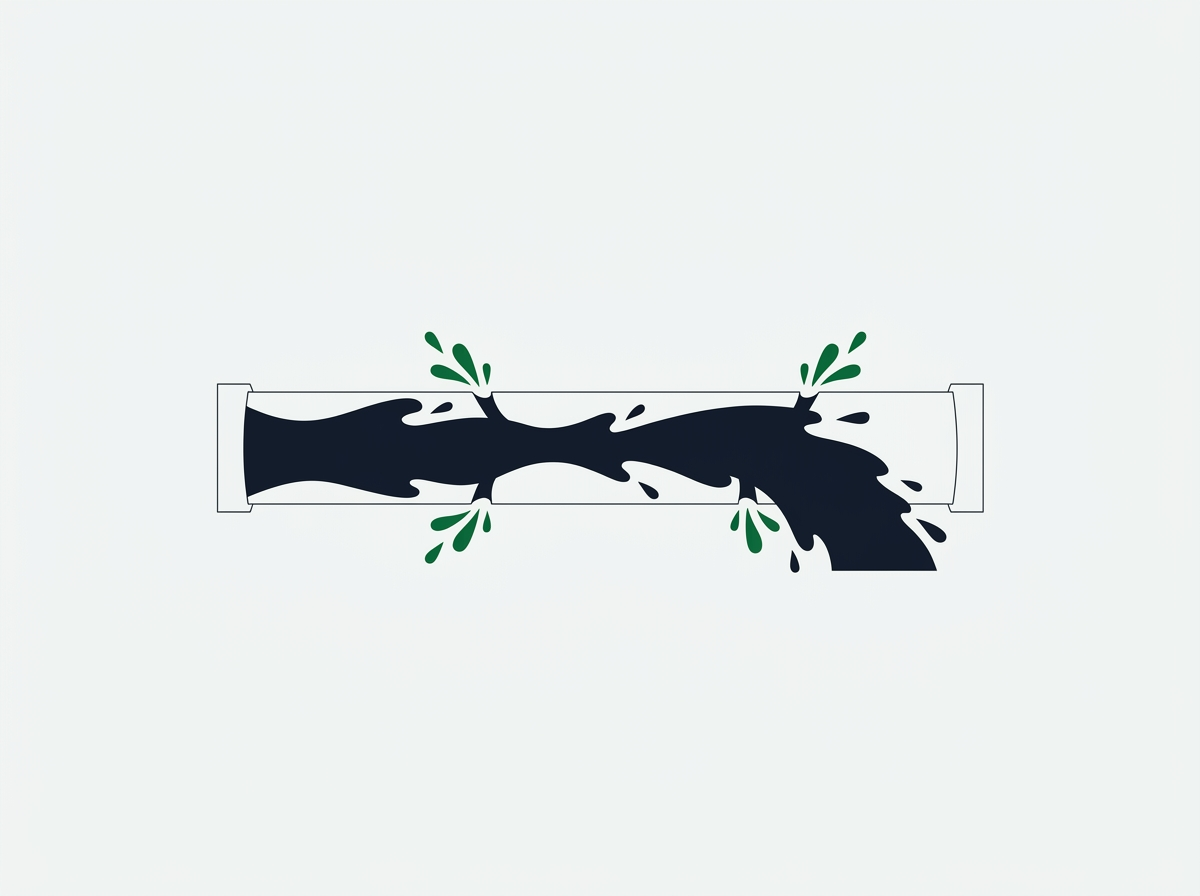
Scaling lead generation for coaches and consultants often introduces operational chaos, but strategic paid acquisition offers a predictable and controlled path to growth. With targeted campaigns and proven systems, businesses can attract high-quality leads consistently without overwhelming their existing resources.
For most coaching and consulting businesses, the path to growth seems straightforward: generate more leads, close more clients, deliver exceptional results. Yet the reality proves far messier. What works at 10 clients per month collapses under the weight of 30. Email sequences get ignored, consultations get missed, and promising prospects slip through administrative cracks.
Based in Knoxville, TN, Be Known, LLC specializes in paid acquisition for coaches and consultants across the United States. We’ve witnessed the transformation that occurs when businesses replace unpredictable outreach with systematic, scalable lead generation infrastructure designed to grow without breaking.
The Inherent Challenges of Scaling Lead Generation
Lead generation at small scale relies on manual, high-touch methods that simply cannot expand proportionally. A coach who personally networks at three events monthly and nurtures relationships via direct messages can maintain quality interactions with 20-30 prospects. Double that lead volume, and the same approach becomes impossible to sustain.
The fundamental challenge is that traditional lead generation methods don’t scale linearly. They break.
Why Traditional Methods Break at Scale
Manual outreach (LinkedIn messages, email introductions, networking conversations) introduces both volume limits and quality inconsistencies. Each manual touchpoint requires individual attention, creativity, and energy. As prospect volume increases, coaches face an impossible choice: maintain quality and cap growth, or accept deteriorating response rates and conversion percentages.
Referral-based client acquisition creates similarly unpredictable patterns. While referrals often convert at high rates and bring pre-qualified prospects, the timing and volume remain outside your control. A fantastic month with five warm introductions may be followed by six weeks of silence, creating feast-or-famine revenue cycles that complicate hiring, capacity planning, and business development.
Even content marketing (blogging, podcasting, social media presence) scales poorly for most consulting businesses. Producing consistent, high-quality content demands substantial time investment, and translating audience growth into consultation bookings requires additional nurturing infrastructure that many coaches lack.
Recognizing Early Signs of Operational Strain
The warning signals appear long before complete system collapse. Consultation no-show rates climb when prospects receive confirmation emails three days late. Follow-up sequences stall when CRM entries pile up unprocessed. Qualified leads receive generic responses because personalized outreach became impossible to maintain.
Internal team capacity strain manifests in multiple ways. Administrative staff spend increasing hours on lead qualification calls that used to require minutes. Sales conversations rush through discovery because appointment calendars overflow. Client delivery suffers subtle degradation as principals split attention between serving existing clients and managing an influx of new prospects.
These operational fractures don’t announce themselves with dramatic failures. Instead, they accumulate gradually: a missed follow-up here, a delayed response there, until conversion rates decline and customer acquisition costs spiral upward despite increasing lead volume.
Paid Acquisition: Your Predictable Growth Engine
Strategic paid advertising fundamentally changes the lead generation equation. Rather than hoping referrals materialize or investing months building organic audiences, paid acquisition delivers qualified prospects on a predictable timeline, at controlled volume, aligned with your operational capacity to serve them.
This predictability represents the core advantage. When you can dial lead volume up or down by adjusting daily ad budgets, growth becomes a strategic choice rather than a circumstantial outcome.
Leveraging Ad Platforms for Precision Targeting
Modern advertising platforms offer targeting capabilities that would have seemed impossible a decade ago. Facebook and Instagram Ads allow coaches to reach prospects based on job titles, employer size, recent life events, professional interests, and behavioral patterns. A leadership coach can target mid-level managers at companies with 200-1000 employees who recently received promotions. An executive consultant can reach C-suite decision-makers in specific industries within defined geographic regions.
LinkedIn Ads provide even more granular professional targeting. Campaign parameters can specify seniority level, company revenue, years of experience, skills listed on profiles, and membership in professional groups. This precision ensures ad spend reaches genuine prospects rather than broad, unqualified audiences.
Google Search Ads capture high-intent prospects actively seeking solutions. Someone searching “executive coach for tech leaders” or “sales consultant for SaaS companies” has already identified their need and begun solution research. Search campaigns place your consulting offer directly in front of prospects at this critical decision moment, converting existing demand rather than attempting to create it.
Budgeting for Sustainable Lead Volume
Budget control separates paid acquisition from organic methods. If your consultation calendar can accommodate 15 new prospect calls weekly, you set daily ad budgets to generate approximately that volume. As you build capacity (hiring additional consultants, implementing more efficient sales processes, expanding service delivery), you incrementally increase ad spend to match.
This controlled scaling prevents the operational chaos that occurs when viral content or referral surges flood systems designed for smaller volumes. You grow at the pace your infrastructure can support, maintaining quality throughout the expansion rather than sacrificing it for volume.
According to research by HubSpot, 61% of marketers cite generating traffic and leads as their top challenge. Paid acquisition addresses this challenge directly, providing a reliable lead source that complements rather than replaces other marketing efforts.
Building a Robust Lead Generation Funnel for Coaches
Paid advertising effectiveness depends entirely on funnel quality. The most precisely targeted ad campaign fails if it directs prospects to confusing landing pages, unclear offers, or broken conversion paths. A robust funnel guides prospects smoothly from initial ad exposure through consultation booking, nurturing those not ready to convert immediately.
Funnel architecture must align with how coaching and consulting prospects make decisions. Unlike e-commerce purchases, professional service engagements involve research, comparison, internal justification, and trust-building before commitment.
Optimizing Landing Pages for Conversion
Effective landing pages for coaches maintain razor-sharp focus. Each page serves one conversion goal—typically booking a strategy session, downloading a diagnostic tool, or registering for a masterclass. Navigation menus, multiple offers, and distracting links all reduce conversion rates by creating decision paralysis.
The headline must immediately confirm relevance to the ad that brought the prospect. If the ad promised “A proven framework for scaling consulting revenue without hiring,” the landing page headline should echo that specific promise, not pivot to a generic value proposition about coaching excellence.
Social proof elements like client testimonials, case study summaries, and recognizable company logos build credibility quickly. Prospects evaluating coaches and consultants want evidence of results with clients like them, facing similar challenges, in comparable industries. Specificity matters far more than volume. Three highly relevant testimonials outperform twenty generic endorsements.
Clear, singular calls-to-action eliminate confusion. Multiple options (“Book a call” versus “Download the guide” versus “Watch our video”) force prospects to evaluate which path suits them best, and that cognitive load increases abandonment. One clear next step, typically scheduling a consultation, maximizes conversion.
Automating Lead Nurturing Sequences
Most coaching prospects need multiple touchpoints before booking consultations. Automated email sequences bridge this gap, providing value while keeping your offer top-of-mind. A prospect who downloads your diagnostic assessment enters a sequence that delivers related insights over 2-3 weeks, each email building the case for your specific methodology.
Effective nurture sequences segment based on engagement. Prospects who open three consecutive emails and click multiple links demonstrate higher interest than those who ignore messages. CRM systems can automatically adjust sequence paths, moving engaged prospects toward consultation booking while giving less-engaged leads more time and different content.
Personalization elements like referencing the specific lead magnet they downloaded, their industry, or their stated challenge increase relevance and response rates. Modern marketing automation platforms allow dynamic content insertion that maintains the efficiency of automated sequences while delivering individually tailored messages.
According to Invesp research, companies that excel at lead nurturing generate 50% more sales-ready leads at 33% lower cost. For coaching and consulting businesses operating on tight margins, this efficiency gain directly impacts profitability and scalability.
Automating for Efficiency, Not Complexity
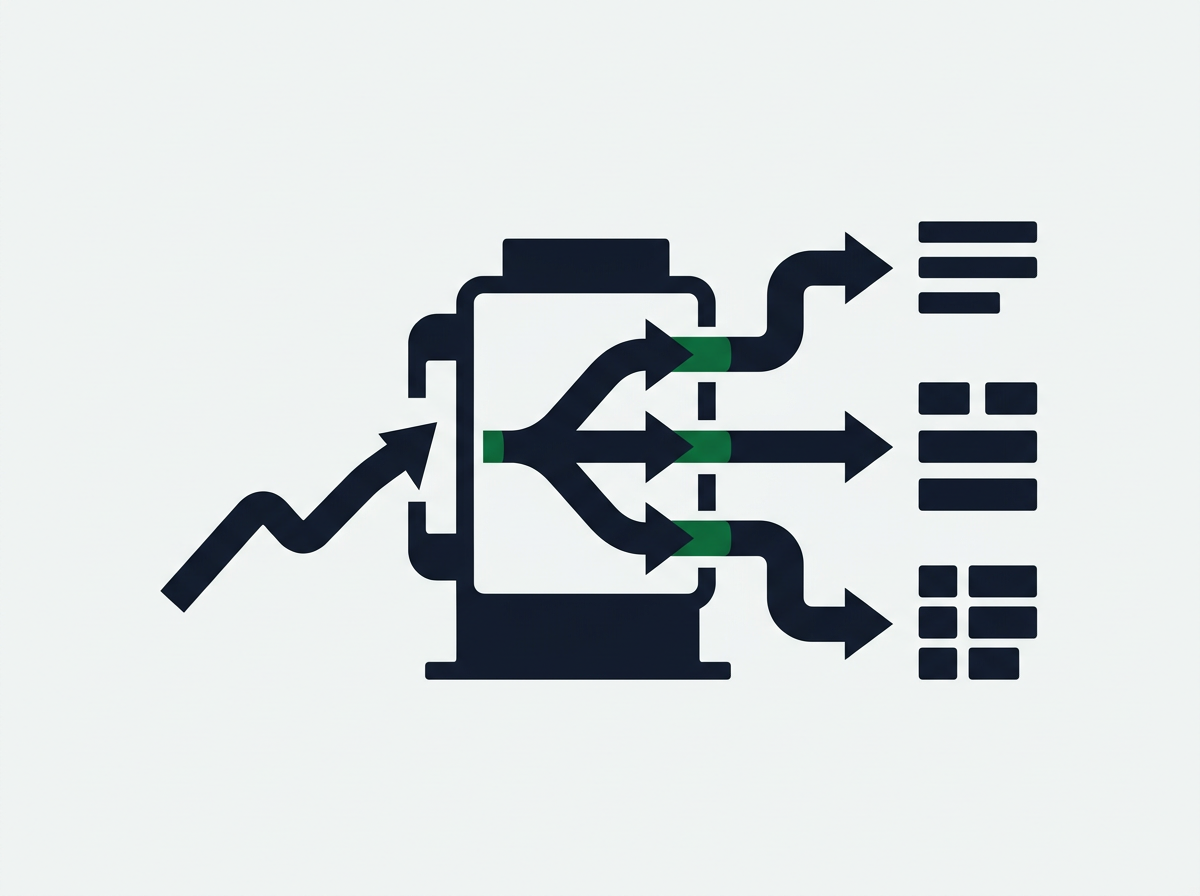
Automation skeptics often fear that systematizing lead management sacrifices the personal touch that coaching clients expect. The opposite proves true in practice. Strategic automation handles repetitive administrative tasks, freeing coaches to invest time where human expertise and empathy create the most value—in actual prospect conversations and client delivery.
The key distinction is automating processes, not relationships. Automated systems should handle appointment confirmations, reminder sequences, lead scoring, and data entry. Humans should handle discovery conversations, objection handling, and relationship building.
Key Automation Tools for Coaches
CRM platforms like HubSpot, ActiveCampaign, or Pipedrive serve as the central nervous system for scaled lead generation. These tools track every prospect interaction (ad clicks, page views, email opens, content downloads) and create comprehensive profiles that inform sales conversations. When a prospect books a consultation, the coach can review their entire journey, understanding which content resonated and which challenges drove their inquiry.
Lead scoring algorithms assign point values to prospect behaviors, automatically surfacing the most engaged, qualified leads for priority follow-up. A prospect who visited your pricing page three times, watched a case study video, and opened five nurture emails receives a higher score than someone who downloaded one lead magnet and ignored subsequent communication. This prioritization ensures limited sales capacity focuses where conversion probability runs highest.
Scheduling tools like Calendly or Acuity eliminate the email tag that typically accompanies appointment booking. Prospects select available time slots that sync with your calendar in real-time, receive automated confirmations and reminders, and can reschedule if needed—all without human intervention. This convenience improves show rates while reclaiming hours of administrative time weekly.
Marketing automation platforms orchestrate multi-channel sequences that combine email, SMS, retargeting ads, and direct mail. A prospect who abandons a consultation booking form might receive an email within an hour addressing common concerns, a text message the next day offering to answer questions, and a retargeting ad that week featuring client testimonials.
Balancing Automation with Personal Touch
The most effective coaching funnels use automation to create space for personalization, not replace it. Automated sequences handle introduction, education, and qualification. Human outreach occurs at high-leverage moments: when a prospect shows strong buying signals, raises specific objections, or requires customization beyond standard offerings.
This hybrid approach scales efficiently because automation handles the many while humans focus on the few. Out of 100 leads entering your funnel monthly, perhaps 30 engage meaningfully with nurture content, 10 request consultations, and 3 need custom proposal development. Automation serves the 100 and the 30; coaches personally serve the 10 and the 3.
Personalization can still occur within automated systems. Video messages recorded once play for hundreds of prospects, yet feel individual. Email sequences reference specific lead magnet downloads or quiz results, creating relevance without manual customization. Even chatbots can provide helpful guidance while collecting qualification information that informs human follow-up.
Data-Driven Optimization for Sustainable Scaling
Paid acquisition without measurement is speculation. Sustainable scaling requires understanding which campaigns generate qualified leads at acceptable costs, which messaging resonates with ideal prospects, and which funnel elements create friction or drive conversion. Data transforms guesswork into strategy.
The optimization mindset treats every campaign as an experiment. Initial launches provide baseline performance data. Subsequent iterations test variables systematically (ad creative, audience targeting, landing page copy, offer positioning) while measuring impact on key metrics.
Essential Metrics for Paid Acquisition
Cost per lead (CPL) measures efficiency at the top of funnel. If Facebook ads generate leads at $50 each while LinkedIn campaigns cost $150 per lead, the apparent winner seems obvious. But qualified lead percentage and conversion rates tell the complete story. LinkedIn’s more expensive leads might convert at 3x the rate of Facebook leads, making them more profitable despite higher acquisition costs.
Cost per acquisition (CPA) is the total marketing cost required to generate a paying client. It’s the critical metric for business sustainability. A coaching package priced at $5,000 can profitably support a $1,500 CPA, assuming healthy margins on service delivery. Understanding this number allows confident budget allocation and accurate growth projections.
Conversion rates at each funnel stage reveal optimization opportunities. Low ad click-through rates suggest targeting or creative problems. High landing page bounce rates indicate message mismatch between ads and pages. Poor consultation booking rates from nurture sequences signal content relevance issues or premature sales pushes.
Customer lifetime value (LTV) determines sustainable acquisition costs. Coaches who generate 50% of revenue from client renewals and expansions can invest more in initial acquisition than those relying entirely on one-time engagements. According to research from Bain & Company, increasing customer retention rates by 5% increases profits by 25% to 95%, making LTV optimization crucial for scaling profitability.
Iterative Testing for Campaign Success
Systematic A/B testing drives continuous improvement. Rather than overhauling entire campaigns based on hunches, methodical testing isolates variables—changing ad images while keeping copy constant, or testing headline variations while maintaining identical page designs. This discipline identifies which specific elements drive performance changes.
Ad creative testing might compare image ads versus video ads, client testimonial formats versus benefit-focused messaging, or different visual styles. Even small improvements compound over time. A 10% increase in click-through rate, combined with a 15% lift in landing page conversion and an 8% improvement in consultation show rate, yields a 36% overall performance gain.
Audience testing explores different targeting parameters. A business coach might test campaigns targeting entrepreneurs versus corporate executives, small business owners versus mid-market managers, or specific industries versus broad professional categories. Winning segments receive increased budget allocation while underperforming audiences get refined or paused.
Landing page testing examines headlines, subheadlines, form length, social proof elements, and call-to-action copy. Reducing form fields from eight to three might double conversion rates. Adding a video testimonial could boost credibility enough to increase consultation requests by 25%. These discoveries only emerge through systematic testing.
Partnering for Strategic & Chaos-Free Growth
Many coaches and consultants excel at client delivery but lack expertise in paid advertising, funnel optimization, and marketing automation. Attempting to build these capabilities in-house diverts focus from core competencies and often produces mediocre results during the lengthy learning curve.
Strategic partnerships with specialized agencies offer an alternative path. The right partner brings campaign management expertise, platform knowledge, testing methodologies, and automation implementation—allowing coaches to focus on what they do best while benefit from world-class lead generation infrastructure.
When to Outsource Paid Acquisition
The decision to outsource typically centers on opportunity cost and expertise gaps. A coach billing $500 per hour for client work who spends 10 hours weekly managing ad campaigns effectively pays $5,000 weekly for amateur marketing management. Redirecting those hours to revenue-generating client delivery while investing $3,000-$4,000 monthly for professional campaign management creates both better financial outcomes and superior marketing results.
Expertise gaps present another clear signal. Paid acquisition demands platform-specific technical knowledge, creative skills, copywriting ability, analytics interpretation, and funnel optimization experience. Building proficiency across these domains takes months or years. During that learning period, wasted ad spend and missed opportunities often exceed what professional management would cost.
Coaches experiencing operational strain from current lead volume need external support most. If existing business demands already exceed internal capacity, adding complex marketing campaign management creates additional chaos rather than solving it. Outsourcing removes operational burden while providing the scaled lead generation that justifies capacity expansion investments.
Finding the Right Agency Partner (e.g., Be Known, LLC)
Not all marketing agencies understand the unique dynamics of coaching and consulting businesses. These high-consideration, relationship-based services require different funnel architectures, longer sales cycles, and more sophisticated nurturing than e-commerce or local service businesses.
Specialized partners bring playbooks proven specifically for coaches and consultants. They understand which lead magnets attract qualified prospects versus tire-kickers, how to structure consultation offers that convert, and which automation sequences maintain engagement without overwhelming new leads. This vertical expertise accelerates results and eliminates expensive trial-and-error experimentation.
Be Known, LLC focuses exclusively on paid acquisition for coaches and consultants across the United States. Our Knoxville, TN-based team has developed methodologies specifically for professional service providers who need predictable, scalable lead generation without operational chaos. We handle campaign strategy, creative development, audience targeting, funnel optimization, and automation implementation—delivering qualified prospects while our clients focus on serving them.
The partnership model works because it aligns incentives. Agencies succeed when clients get results, creating natural focus on lead quality, conversion rates, and client acquisition costs rather than vanity metrics like impressions or clicks. Regular communication, transparent reporting, and collaborative optimization ensure the relationship drives business growth rather than just marketing activity.
When evaluating potential agency partners, examine their track record with similar clients, their understanding of your specific niche, their reporting transparency, and their willingness to integrate with your existing systems rather than requiring wholesale platform changes. The right partner feels like an extension of your team, understanding your business goals and tailoring strategies to achieve them.
Building Your Scaling Roadmap
Successful scaling follows a logical sequence. Attempting to skip steps creates problems. Running major ad campaigns before optimizing conversion funnels, or implementing complex automation before proving basic offer-market fit, wastes resources and creates the operational chaos these systems should prevent.
The foundation begins with offer clarity and conversion proof. Your coaching or consulting package must demonstrably solve a valuable problem for a specific audience at a price they’ll pay. Validate this at small scale before investing in paid acquisition. A handful of successful client engagements, strong testimonials, and proven methodology give you confidence that increased lead volume will convert profitably.
Next, build your minimum viable funnel. This typically includes targeted ad campaigns, dedicated landing pages with clear conversion paths, basic lead nurturing sequences, and a CRM system that tracks prospect journeys. Start with one traffic source, often Facebook or LinkedIn for most coaches, rather than fragmenting attention across multiple platforms.
Measure baseline performance across key metrics: cost per lead, lead-to-consultation conversion rate, consultation-to-client conversion rate, and customer acquisition cost. These numbers establish the benchmark for improvement and reveal where optimization efforts should focus. A funnel generating leads at $75 each with 20% consultation conversion and 30% close rates produces very different scaling dynamics than one with $30 leads converting at 5% and 15%.
Scale in increments that match operational capacity. If you can personally handle 10 consultation calls weekly, increasing ad spend to generate 30 weekly calls creates immediate problems. Instead, increase lead volume 20-25% monthly, using the breathing room to refine processes, build capacity, and maintain quality. This measured approach prevents the feast-or-famine cycles that plague aggressive scaling attempts.
Continuous optimization becomes routine. Weekly performance reviews identify trends. Monthly deep-dives explore creative refresh opportunities, audience expansion tests, and funnel improvement hypotheses. Quarterly strategic assessments ensure campaigns remain aligned with evolving business goals and market conditions. Unlock consistent client growth through this disciplined, iterative approach.
Avoiding Common Scaling Pitfalls
Despite best intentions, several predictable pitfalls derail scaling efforts. Recognizing these patterns in advance creates opportunity to avoid them proactively rather than correcting damage after it occurs.
Premature scaling represents the most common mistake. Coaches see competitors running large ad campaigns and assume they should match that investment. But successful scaling amplifies what already works at smaller volume. If your offer doesn’t convert reliably, your sales process struggles to close ready prospects, or your service delivery generates mediocre client outcomes, increased lead volume magnifies these problems rather than solving them. Fix foundational issues before scaling.
Neglecting lead quality in pursuit of lead volume destroys profitability. Lowering qualification standards or targeting broader audiences generates impressive lead counts at attractive per-lead costs, but conversion rates plummet when sales teams spend time with unqualified prospects. A campaign generating 100 leads monthly at $50 each with 5% conversion yields five clients for $5,000 total spend. A refined approach producing 40 leads at $100 each with 20% conversion delivers eight clients for $4,000 spend—better outcomes despite “worse” per-lead economics.
Analysis paralysis prevents optimization. Some coaches obsessively monitor campaign metrics, making constant small adjustments based on insufficient data. Effective testing requires running experiments long enough to reach statistical significance—typically hundreds of conversions at minimum. Changing variables daily prevents learning what actually works. Establish testing protocols with defined sample sizes and duration commitments before drawing conclusions.
Insufficient follow-up infrastructure wastes ad spend. According to research from InsideSales.com, 35-50% of sales go to the vendor that responds first, yet many coaching businesses take 24-48 hours for initial lead contact. Automated immediate acknowledgment, rapid human follow-up, and persistent nurturing sequences ensure expensive paid leads receive the attention required to convert them. Without this infrastructure, increasing lead volume just increases waste.
Technology complexity overwhelms teams. The marketing technology landscape offers thousands of tools, each promising transformative results. Attempting to implement comprehensive marketing automation, advanced CRM features, multiple ad platforms, conversion optimization software, and attribution analytics simultaneously creates operational paralysis. Start with essential systems, master their core functions, then add capabilities incrementally as needs justify complexity.
The Long-Term Competitive Advantage
Coaches and consultants who build systematic, scalable lead generation infrastructure create lasting competitive advantages. While competitors chase referrals, attend networking events, and hope content goes viral, businesses with predictable paid acquisition engines control their growth trajectory.
This control manifests in multiple ways. Revenue forecasting becomes data-driven rather than speculative. If historical data shows $5,000 in ad spend generates an average of eight new clients at $7,500 each, you can confidently predict that $10,000 monthly investment will produce approximately $120,000 in monthly revenue. This predictability enables strategic hiring, confident capacity investments, and aggressive business development.
Market position strengthens as consistent visibility builds brand recognition. Prospects encounter your ads, visit your website, consume your content, and engage with nurture sequences over weeks or months before converting. This repeated exposure creates familiarity and trust that sporadic marketing efforts cannot match. When decision time arrives, your brand occupies mental real estate that newer, less visible competitors lack.
Operational efficiency compounds over time. Systems refined through hundreds of client acquisitions eliminate wasted motion and maximize conversion rates. Your team develops deep expertise in consultation delivery, objection handling, and client onboarding because they execute these processes repeatedly rather than occasionally. This expertise improves both conversion rates and client satisfaction, creating a virtuous cycle of business growth.
Data accumulation builds institutional knowledge. Every campaign teaches lessons about which messages resonate with ideal clients, which objections appear most frequently, which client types generate best results, and which market segments offer untapped opportunity. This accumulated insight informs product development, service positioning, pricing strategy, and expansion planning in ways impossible for businesses dependent on irregular, unpredictable lead sources.
Taking the First Step Toward Predictable Growth
The journey from chaotic, inconsistent lead generation to systematic, scalable client acquisition begins with commitment to the process. Paid advertising, funnel optimization, marketing automation, and data-driven iteration require initial investment in time, money, and mindset before delivering returns.
For coaches and consultants accustomed to high-touch, relationship-based client development, the transition feels uncomfortable initially. Systems and automation seem impersonal. Data and metrics appear reductive. But this discomfort yields to appreciation as predictable lead flow, improved conversion rates, and sustainable growth emerge.
The alternative, continuing to rely on referrals, manual outreach, and organic methods that don’t scale, imposes invisible costs. Inconsistent revenue creates stress and limits strategic planning. Inability to predict client acquisition constrains hiring and capacity investments. Dependence on methods outside your control leaves growth to chance rather than strategy.
Strategic paid acquisition offers a different path. By investing in targeted campaigns, robust funnels, intelligent automation, and continuous optimization, coaches and consultants build growth engines that scale with their ambitions rather than constraining them. Operational chaos gives way to systematic processes that deliver qualified prospects predictably, allowing focus on what matters most: serving clients excellently and building sustainable businesses.
Whether you build these capabilities internally or partner with specialists like Be Known, LLC, the investment in systematic lead generation infrastructure pays dividends that compound over years. Begin your predictable client acquisition partnership and transform your business from reactive to strategic, from constrained to scalable, from chaotic to systematic.
FAQs
How can paid ads prevent chaos when scaling lead generation?
Paid ads offer controlled, predictable lead flow. By setting budgets and targeting specific audiences, coaches and consultants can scale lead volume incrementally, matching it to their operational capacity. This prevents overwhelming teams and ensures a steady, manageable stream of qualified prospects without chaos.
What’s the biggest mistake coaches make when scaling lead gen?
The biggest mistake is scaling without robust systems. Many coaches try to increase lead volume without automating follow-ups, qualifying processes, or CRM integration. This leads to dropped leads, wasted ad spend, and operational chaos, negating the benefits of increased lead generation efforts.
How do I know if my lead generation is ready to scale?
Your lead generation is ready to scale when you have a consistent, profitable conversion path from lead to client at a smaller volume. This means your offer converts, your sales process is effective, and you can reliably deliver results. Scaling paid acquisition amplifies what already works.
What role does automation play in scaling lead generation without chaos?
Automation is crucial for managing increased lead volume efficiently. It handles tasks like lead scoring, email nurturing, appointment scheduling, and CRM updates. This frees up human resources for high-value interactions, ensuring no lead is missed and the operational burden doesn’t grow disproportionately with lead volume.
How can Be Known, LLC help coaches and consultants scale lead generation?
Be Known, LLC specializes in paid acquisition for coaches and consultants nationwide. We design and manage targeted ad campaigns, build efficient funnels, and implement automation to ensure predictable, scalable lead generation without operational chaos. Our Knoxville, TN-based team serves clients remotely across the U.S.
What specific paid acquisition channels are best for coaches?
For coaches and consultants, channels like Facebook/Instagram Ads, LinkedIn Ads, and Google Search Ads are highly effective. These platforms allow for precise targeting based on demographics, interests, professional titles, and search intent, ensuring your ad spend attracts the most qualified leads for your specific niche.
Ready to transform your lead generation from unpredictable to systematic? Be Known, LLC brings specialized expertise in paid acquisition for coaches and consultants, delivering qualified prospects without operational overwhelm. Our Knoxville-based team serves clients nationwide with proven methodologies tailored specifically for professional service providers. Start your strategic paid acquisition journey today and discover how predictable, scalable growth becomes possible when the right systems support your ambitions.
Sources & references
- 61% of marketers cite generating traffic and leads as their top challenge — hubspot.com
- companies that excel at lead nurturing generate 50% more sales-ready leads at 33% lower cost — invespcro.com
- increasing customer retention rates by 5% increases profits by 25% to 95% — media.bain.com
- 35-50% of sales go to the vendor that responds first — insidesales.com