Coaches and consultants can securely integrate AI automation with their CRM and project management systems without requiring technical staff, leveraging user-friendly tools and strategic planning. This integration streamlines operations, enhances client management, and boosts the efficiency of paid acquisition campaigns, allowing you to scale your business nationwide.
The operational burden of managing client relationships, tracking project milestones, and executing effective advertising campaigns has historically required either significant time investment or dedicated technical teams. For coaches and consultants operating lean businesses, this creates a challenging bottleneck. Modern AI automation tools now offer a compelling alternative path forward.
Be Known, LLC, headquartered in Knoxville, TN, serves coaches and consultants across the United States who are ready to optimize their paid acquisition strategy while maintaining lean operational structures. The convergence of accessible AI tools and no-code integration platforms has fundamentally changed what’s possible without hiring IT staff. These technologies enable sophisticated automation workflows that directly impact revenue-generating activities, particularly in paid acquisition channels where speed, personalization, and consistent follow-up determine success.


Understanding the ‘No-Code’ AI Landscape for Coaches & Consultants
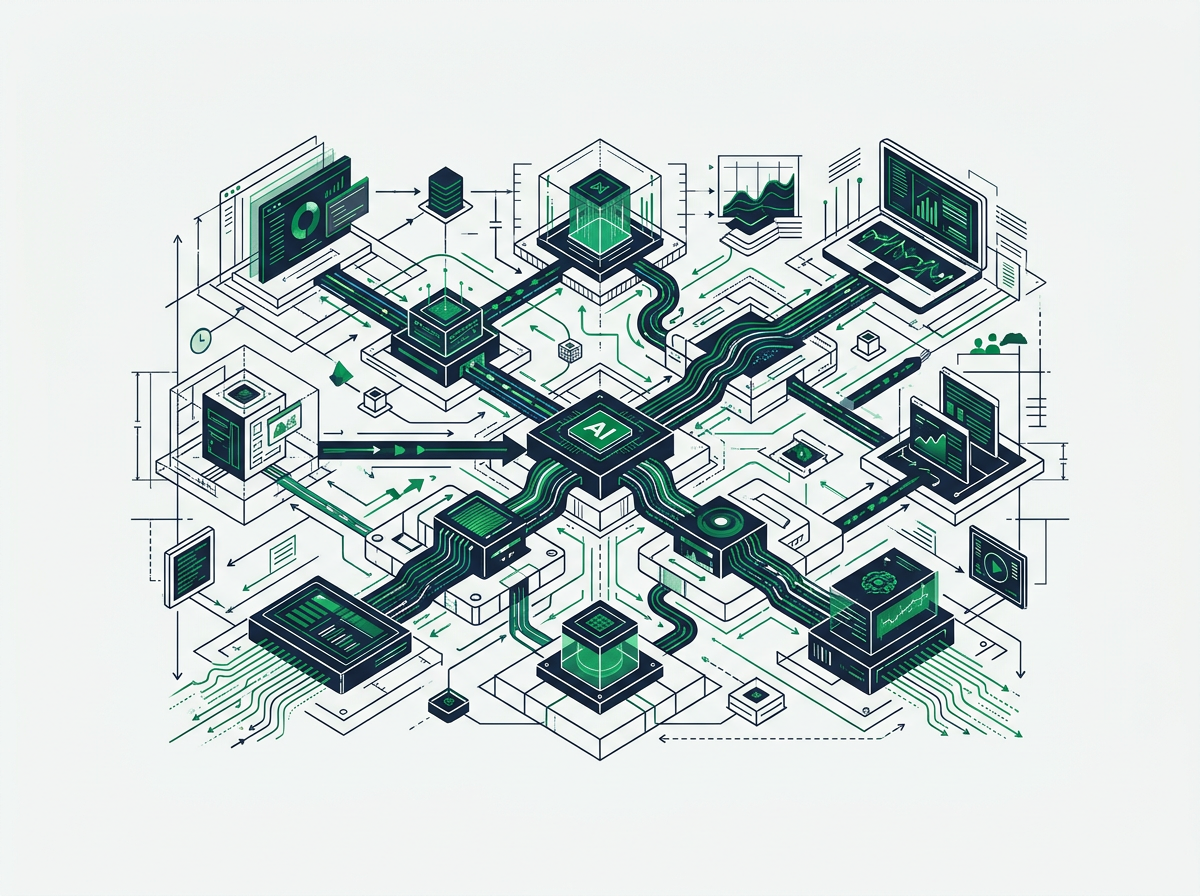
The no-code revolution has democratized technology access for service-based businesses. Where connecting systems once required custom development and ongoing maintenance contracts, visual workflow builders now enable business owners to design, test, and deploy sophisticated automations themselves. This shift has particular implications for coaches and consultants who rely heavily on relationship management and timely communication to convert prospects into paying clients.
No-code AI platforms provide intuitive interfaces where users drag and drop elements to create workflows, set conditional logic, and trigger actions across multiple systems. These platforms handle the technical complexity of API authentication, data formatting, and error handling behind the scenes. For businesses focused on paid acquisition, this means you can connect advertising platforms to your CRM, automatically score leads based on behavior, and trigger personalized follow-up sequences without writing a single line of code.
Key No-Code AI Platforms for Service Businesses
Several platforms have emerged as leaders in the no-code AI integration space, each offering distinct advantages for coaches and consultants. Zapier remains the most recognizable name, with over 5,000 app integrations and straightforward linear workflows ideal for simple automations. Make.com (formerly Integromat) provides more complex visual routing capabilities, allowing users to build branching logic and parallel processes within a single workflow.
Integrately focuses on pre-built automation templates specifically designed for common business scenarios, reducing setup time significantly. These platforms increasingly incorporate native AI capabilities—from natural language processing for sentiment analysis to machine learning models that predict lead conversion probability. According to Gartner research, the low-code application market is projected to reach $26.9 billion by 2023, reflecting widespread enterprise adoption of these accessible tools.
For coaches and consultants specifically, AI tools now handle tasks previously requiring human judgment. ChatGPT and similar large language models can draft personalized email sequences based on prospect behavior data. Jasper and Copy.ai generate ad variations optimized for different audience segments. Crystal Knows analyzes communication patterns to suggest personalized messaging approaches for individual prospects. These AI capabilities integrate directly with CRM systems through no-code platforms, creating automated workflows that maintain the personal touch clients expect while operating at scale.
The strategic advantage goes well past basic task automation. AI-powered lead scoring examines dozens of behavioral signals, like website visits, content downloads, email engagement, and social media interactions, to predict which prospects are most likely to convert. This lets you prioritize your manual outreach efforts and direct paid acquisition budgets toward audiences showing high-intent signals. The payoff is more efficient ad spend and higher conversion rates across your entire funnel.
Strategic Planning: Identifying Integration Opportunities for Paid Acquisition
Successful AI integration begins with strategic assessment rather than technology selection. Start by mapping your current client acquisition workflow from initial ad impression through conversion to onboarding. Identify manual tasks that consume significant time, create bottlenecks, or introduce inconsistency. These friction points represent your highest-value automation opportunities.
For most coaches and consultants, the paid acquisition funnel includes several universal stages: ad delivery and click-through, landing page conversion, lead nurturing via email or messaging, discovery call scheduling, proposal delivery, and contract signing. AI automation can enhance efficiency at every stage. Ad platforms like Meta and Google now offer AI-powered campaign optimization that automatically adjusts bids, targeting, and creative delivery based on real-time performance data.
Automating Lead Qualification for Ad Campaigns
Lead qualification represents one of the most impactful automation opportunities. Traditional approaches require manual review of each inquiry to determine fit, interest level, and readiness to purchase. AI-powered lead scoring automates this assessment by analyzing multiple data points simultaneously. A prospect who downloads three case studies, visits your pricing page twice, and opens four nurture emails receives a higher score than someone who only submitted a single form.
This automated scoring triggers different response workflows. High-scoring leads might immediately receive calendar links to book discovery calls, while lower-scoring prospects enter educational nurture sequences. According to Salesforce research, companies using AI for lead scoring see a 50% increase in sales-ready leads and a 45% reduction in call time. These efficiency gains translate directly to improved ROI on paid acquisition investments.
Map each desired outcome to specific AI capabilities. If your goal is reducing time-to-contact for new leads, implement instant notification triggers and auto-assignment rules in your CRM. If you want to improve email response rates, deploy AI-powered send-time optimization and subject line generation. If conversion rate optimization is the priority, use AI to test ad creative variations and automatically allocate budget to top performers.
The strategic framework should also account for data flow between systems. Your advertising platform captures initial interest and basic demographic information. Your landing page and CRM collect detailed qualification data. Your project management system tracks delivery milestones and client satisfaction. AI automation creates seamless handoffs between these systems, ensuring no prospect falls through gaps and every client receives consistent service regardless of which team member they interact with.
Choosing the Right Integration Tools and Platforms
Platform selection requires balancing capability, ease of use, cost, and security features. While numerous options exist, focusing evaluation on platforms with proven track records in service business contexts reduces risk. The ideal integration platform connects seamlessly with your existing technology stack while providing room for future expansion as your automation needs grow.
Start by inventorying your current systems. Most coaches and consultants use a CRM (HubSpot, Salesforce, Pipedrive, ActiveCampaign), project management tool (Asana, ClickUp, Monday.com, Notion), and communication platforms (Gmail, Slack, Zoom). Your integration platform must offer native connectors for each of these tools. Pre-built connectors are vastly superior to custom API integrations because they’re maintained by the platform provider and include error handling for common scenarios.
Comparing Integration Platform Features
Zapier offers the broadest ecosystem with 5,000+ integrations but charges based on “tasks” (individual actions), which can become expensive for high-volume workflows. Make.com provides more complex logic and visual workflow design at competitive pricing, though the learning curve is steeper. Integrately focuses on one-click automation templates and unlimited task execution at lower price points, making it attractive for businesses new to automation.
| Platform | Best For | Pricing Model | Security Features |
|---|---|---|---|
| Zapier | Broadest compatibility | Per-task pricing | SOC 2, GDPR compliant |
| Make.com | Complex workflows | Operations-based | ISO 27001 certified |
| Integrately | Template-driven setup | Unlimited tasks | SSL encryption, 2FA |
Security evaluation should focus on several key criteria. Verify that platforms maintain SOC 2 Type II certification, demonstrating adherence to rigorous security controls. Confirm GDPR and CCPA compliance if you serve clients in Europe or California. Review how API credentials are stored—look for encrypted storage and the option to implement role-based access controls limiting which team members can modify integrations.
Data residency matters for compliance. Some platforms allow you to specify where data is processed and stored, which may be necessary depending on your client agreements. Examine the platform’s incident response history—how quickly do they identify and patch security vulnerabilities? What communication protocols exist to notify users of potential breaches? These details matter when client trust and regulatory compliance are at stake.
Additionally, evaluate AI-specific features offered by integration platforms. Some now include native AI blocks for sentiment analysis, text summarization, and data extraction. These built-in capabilities often prove more secure than connecting to third-party AI services because data never leaves the integration platform’s ecosystem. For coaches handling sensitive client information, this architectural difference significantly reduces exposure risk.
Step-by-Step Secure AI Integration Process
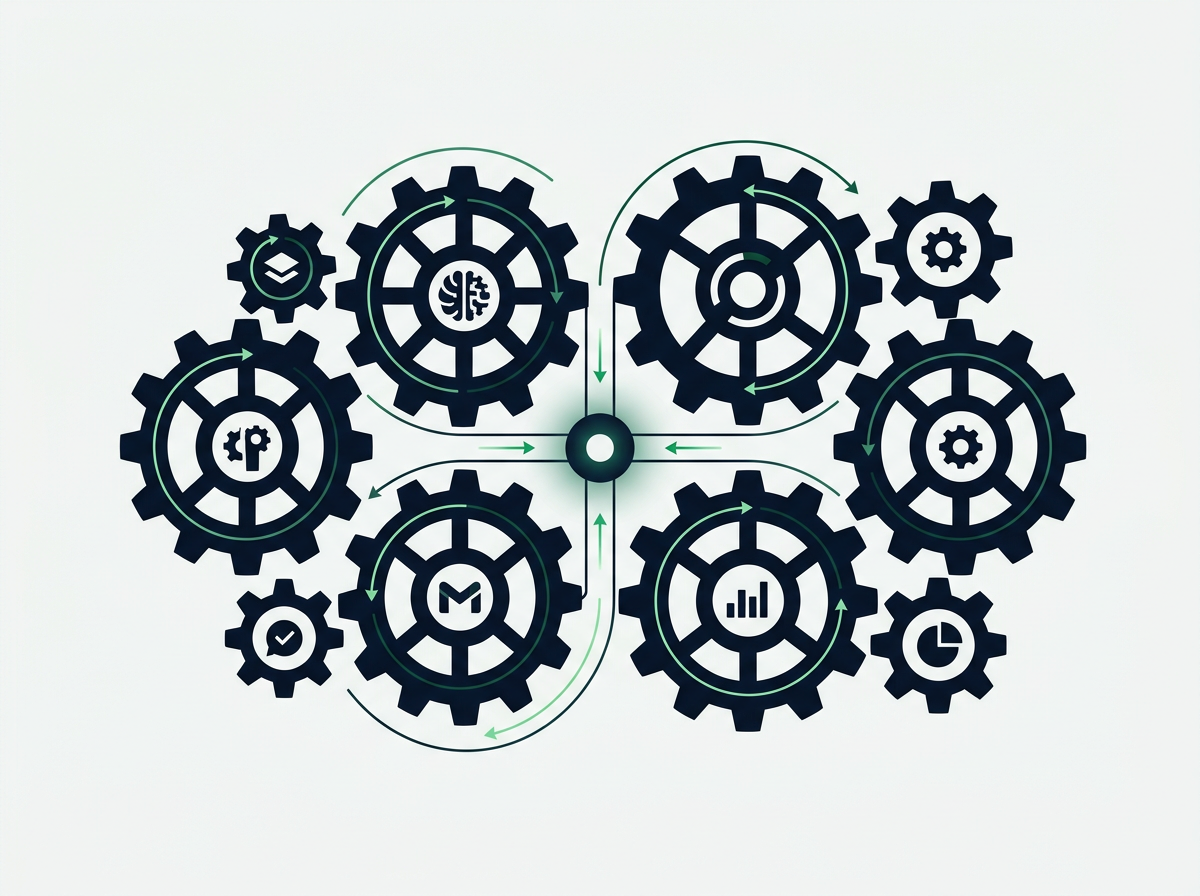
Implementation success depends on methodical execution rather than technical expertise. Begin with a single high-value workflow rather than attempting to automate everything simultaneously. This focused approach allows you to learn the platform, validate results, and build confidence before expanding automation coverage.
The first technical step involves establishing secure connections between your integration platform and each system in your workflow. This requires generating API keys or authentication tokens from your CRM, project management tool, and AI services. Treat these credentials with the same security protocols you apply to passwords—never share them via email, don’t store them in unencrypted documents, and rotate them periodically.
Most modern platforms use OAuth 2.0 authentication, which creates time-limited access tokens rather than permanent credentials. This architecture limits damage if credentials are compromised because tokens automatically expire. When connecting systems, verify that the integration platform requests only the minimum permissions required. If your workflow only reads contact data and creates tasks, the platform shouldn’t request permission to delete records or modify account settings.
Workflow Examples for Paid Acquisition
A practical starting workflow for coaches and consultants might look like this: When a prospect completes your lead magnet form (trigger), the integration platform creates a contact record in your CRM, assigns a lead score based on the form responses, sends a personalized thank-you email using AI-generated content matched to their stated interests, creates a follow-up task for your sales team if the score exceeds a threshold, and adds the prospect to a nurture sequence if the score falls below that threshold.
Each step in this workflow should include error handling. What happens if the email fails to send? Should the workflow retry, notify a team member, or log the error for later review? Robust workflows account for failure scenarios and include fallback actions ensuring no lead is lost due to technical glitches. Most integration platforms provide built-in error notification via email or Slack, allowing you to monitor automation health without constant manual checking.
Testing procedures are critical before activating any workflow with live prospect data. Use test records or sandbox environments provided by your CRM and other systems. Verify that data maps correctly between systems—first names populate first name fields, dates format consistently, and custom fields transfer without data loss. Run at least ten test executions with varying data inputs to ensure conditional logic branches work as intended.
Document each workflow with clear naming conventions and internal notes explaining the business logic. Six months from now, when you need to modify a workflow, detailed documentation prevents confusion about why certain conditions exist. Include the workflow’s business purpose, which team member owns it, when it was last modified, and any dependencies on other automations or systems.
Maintaining Security and Data Integrity Without Technical Expertise
Ongoing security management doesn’t require IT expertise but does demand consistent attention to several key practices. Establish a quarterly review schedule for all active integrations, checking that permissions remain appropriate, workflows still serve business needs, and connected systems haven’t introduced breaking changes through updates.
Access management represents your first line of defense against security incidents. Most coaches and consultants operate with small teams, but even in a solo practice, you should implement distinct user accounts rather than sharing credentials. If you bring on a virtual assistant or contractor, create a separate login with permissions limited to only the systems and workflows they need to perform their specific role. When team members leave, immediately revoke their access rather than relying on scheduled quarterly reviews.
User Permissions and Role-Based Access
Role-based access control (RBAC) allows you to define permission levels that align with job functions. An administrative assistant might have permission to view and modify contact records in your CRM but no ability to change automation workflows or access financial data. A project manager might create and update project tasks but cannot access the client acquisition pipeline. This segmentation limits damage if credentials are compromised and creates clear accountability for data modifications.
Data governance principles apply even in small businesses. Understand what data you collect, where it’s stored, how long you retain it, and who can access it. According to Cisco’s 2022 Data Privacy Benchmark Study, 94% of organizations say customers wouldn’t buy from them if data wasn’t properly protected. For coaches and consultants, client trust is fundamental to business success, making data protection a competitive advantage rather than merely a compliance requirement.
Implement data minimization practices—collect only information necessary for business purposes. If you don’t need a prospect’s physical address for service delivery, don’t request it on forms. Less data means reduced liability and simpler compliance. When integrating AI tools, review their data retention policies carefully. Some AI services retain prompts and outputs indefinitely for model training purposes, which may violate client confidentiality agreements. Choose providers offering enterprise plans with data processing agreements that prohibit retention beyond the immediate service delivery.
Stay informed about security updates from your integration platforms and connected systems. Enable automatic notifications for security bulletins and platform updates. Most platforms provide changelog documentation explaining what changed in each release. While you don’t need to understand technical implementation details, knowing when security patches are applied helps you assess your current risk posture and make informed decisions about which updates require immediate attention.
Maximizing ROI: AI Automation for Enhanced Paid Acquisition
The strategic value of AI automation extends far beyond operational efficiency. When thoughtfully implemented, these systems directly enhance revenue-generating activities and improve the economics of client acquisition. For coaches and consultants, where lifetime client value often ranges from $5,000 to $50,000 or more, even marginal improvements in conversion rates or cost-per-acquisition generate substantial financial returns.
AI-powered ad targeting uses machine learning algorithms to identify patterns in your best clients’ digital behavior and demographic characteristics. Rather than manually defining audience parameters, these systems analyze conversion data to discover which combinations of interests, behaviors, and demographics produce the highest-quality leads. According to WordStream benchmarks, the average conversion rate for professional services in Google Ads is 9.64%, but businesses using AI-powered optimization often see rates 20-30% higher.
AI for Ad Copy & Creative Generation
Creative fatigue remains a persistent challenge in paid acquisition. Ad performance typically degrades after 7-14 days as your target audience becomes desensitized to messaging. Manually creating fresh creative variations consumes significant time and design resources. AI-powered creative generation tools solve this problem by producing dozens of copy and visual variations based on performance data from your best-performing ads.
These tools analyze which emotional triggers, value propositions, and call-to-action phrases generate the highest engagement within specific audience segments. A consultant targeting executive coaches might discover that achievement-focused messaging performs better with male audiences while collaboration-focused messaging resonates more with female audiences. AI identifies these patterns faster and more accurately than manual A/B testing, then automatically generates new variations incorporating successful elements.
The integration extends beyond initial ad delivery. When a prospect clicks your ad and lands on your website, AI behavior tracking identifies high-intent signals—visiting pricing pages, downloading case studies, watching video testimonials. This behavioral data flows back to your CRM, triggering immediate follow-up actions. A prospect who watches a testimonial video might receive an automated email featuring similar client success stories and an invitation to schedule a discovery call. These timely, relevant touchpoints dramatically increase conversion probability compared to generic follow-up sequences.
Post-conversion workflow automation ensures prospects receive consistent, professional service even as your business scales. When someone books a discovery call, automation can send calendar confirmations, pre-call questionnaires to gather context, reminder notifications 24 hours before the meeting, and follow-up tasks to your CRM for proposal development. This systematic approach prevents leads from falling through cracks during the critical period between initial interest and final purchase decision.
AI-enhanced lead nurturing sequences adapt content based on engagement patterns. If a prospect consistently opens emails about methodology but ignores pricing discussions, the system recognizes this pattern and adjusts subsequent messaging to focus on approach rather than cost. This dynamic personalization maintains engagement over longer sales cycles common in coaching and consulting services. Businesses using marketing automation for lead nurturing see a 451% increase in qualified leads, demonstrating the substantial impact of systematic follow-up.
Scaling Your Business with AI: The Be Known Advantage
Geographic constraints no longer limit service business growth. A coach headquartered in Knoxville, TN can effectively serve clients across the United States through virtual delivery models. However, scaling beyond local markets requires operational systems capable of handling increased volume without proportionally increasing overhead costs. AI automation provides the leverage needed to grow revenue while maintaining lean team structures.
The traditional scaling path for coaches and consultants involves hiring administrative staff to manage growing client communication, project coordination, and marketing execution demands. This approach creates fixed costs that must be supported regardless of revenue fluctuations. AI automation offers an alternative path—variable capability that expands with business growth without adding permanent overhead. A $200 monthly investment in integration platforms and AI tools can replace 20-40 hours of manual administrative work, delivering immediate positive ROI.
Beyond Automation: Strategic Growth
Technology enables scale, but strategy determines whether growth is profitable and sustainable. Many coaches and consultants implement automation tactically, automating individual tasks without redesigning broader business processes. This piecemeal approach delivers limited benefits because inefficient processes automated simply become inefficient processes executed faster. Strategic implementation requires stepping back to examine entire workflows and asking how AI capabilities might enable fundamentally different approaches.
For example, traditional discovery call processes involve manual calendar management, back-and-forth email scheduling, pre-call research about the prospect, and post-call follow-up. Each step consumes 15-30 minutes of billable time. An automated approach integrates calendar scheduling directly into your website and email campaigns, allowing prospects to self-schedule based on your real-time availability. AI-powered research tools automatically compile prospect information from public sources and populate pre-call briefs. Post-call automation sends thank-you notes, proposal templates, and follow-up tasks to your project management system. The same outcome requires 5-10 minutes of human time rather than an hour.
This operational efficiency creates capacity for higher-value activities. Time previously spent on administrative coordination becomes available for content creation, strategic partnerships, and direct client service. For businesses pursuing paid acquisition for coaches and consultants, this capacity enables testing new advertising channels, developing more sophisticated funnel architecture, and investing in conversion rate optimization efforts that directly impact revenue growth.
Partnering with specialized agencies like Be Known, LLC provides strategic guidance that complements your automation investments. While no-code tools handle tactical execution, experienced advisors identify which metrics matter, recommend workflow optimizations based on industry benchmarks, and help avoid common pitfalls that undermine automation ROI. This combination of accessible technology and strategic expertise enables coaches and consultants to compete effectively against larger competitors with dedicated marketing and operations teams.
Remote support models have evolved significantly, enabling businesses to access enterprise-level expertise without enterprise budgets. Fractional CMO services, marketing strategy consulting, and campaign management partnerships provide the strategic direction needed to maximize automation value. When technology handles routine execution and experts guide strategic decisions, founders can focus on their core competency—delivering exceptional coaching and consulting services that generate client results and referrals.
Implementing Your First AI Automation This Week
Starting with AI automation doesn’t require massive upfront investment or comprehensive system overhaul. Begin with one high-impact, low-complexity workflow that delivers immediate value. For most coaches and consultants, lead response automation represents the ideal starting point. Research consistently shows that responding to inbound leads within five minutes increases conversion probability by 21 times compared to responding after 30 minutes.
Your first automation might follow this simple logic: When a prospect submits a contact form or downloads a lead magnet, immediately send a personalized acknowledgment email thanking them by name, confirming what they downloaded, and providing next steps. Simultaneously create a contact record in your CRM with lead source tracking, assign it to the appropriate team member, and create a follow-up task due in 24 hours. This workflow requires approximately 30 minutes to build in most integration platforms and immediately improves prospect experience while ensuring systematic follow-up.
Once this foundation workflow operates reliably, expand automation coverage to additional touchpoints. Add welcome sequences that deliver educational content over 7-14 days, building trust and positioning your expertise before sales conversations occur. Implement meeting reminder automation that reduces no-show rates for discovery calls. Deploy post-proposal follow-up sequences that maintain momentum during the decision-making period. Each incremental automation compounds previous benefits, creating increasingly sophisticated client acquisition machinery.
Monitor automation performance using the analytics built into your integration platform and CRM. Track execution rates (how many workflows trigger), completion rates (how many finish successfully), and conversion metrics (how many automated touches contribute to eventual sales). These metrics guide optimization decisions, revealing which automations deliver meaningful business impact versus which create activity without results. Continuous refinement based on performance data ensures your automation infrastructure evolves with your business rather than becoming stale technical debt.
The most successful implementations balance automation with authentic human connection. Prospects and clients can distinguish between thoughtful automated systems that enhance their experience and impersonal automation that makes them feel like database entries. Design workflows that automate routine touchpoints while creating space for personalized human interaction at critical decision points. Automated lead nurturing builds awareness and trust, but personalized discovery calls close deals. Automated onboarding streamlines administrative tasks, but personalized welcome calls establish lasting client relationships.
Future-Proofing Your Practice with Scalable Systems
The AI automation landscape continues evolving rapidly, with new capabilities emerging monthly. Building sustainable competitive advantage requires creating flexible systems that accommodate ongoing innovation without requiring complete rebuilds. Focus on platforms with robust developer ecosystems and committed roadmaps indicating continued investment in new features and integrations.
Platform lock-in represents a legitimate concern when building critical business processes on third-party infrastructure. Mitigate this risk by designing workflows that separate business logic from platform-specific implementation. Document the business rules governing each automation independent of the technical platform executing them. This abstraction layer allows you to migrate workflows between platforms if necessary without losing the strategic value embedded in your automation design.
Data portability deserves similar attention. Ensure that your CRM, project management tools, and integration platforms support standard export formats. Regular backups create recovery options if platform issues disrupt operations. While major platforms maintain impressive uptime records, service interruptions do occur. Having recent data exports provides peace of mind and enables business continuity even during platform outages.
Stay informed about emerging AI capabilities relevant to coaching and consulting businesses. Subscribe to newsletters from major integration platforms, follow thought leaders discussing AI applications in professional services, and participate in peer communities where practitioners share implementation experiences. This ongoing education helps you identify new automation opportunities as they become accessible through no-code platforms. Being an early adopter of valuable capabilities can create temporary competitive advantages before they become industry standard practices.
The coaches and consultants who thrive over the next decade will be those who embrace technology as a force multiplier rather than viewing it as a necessary evil. AI automation enables small businesses to deliver enterprise-quality client experiences, systematic lead nurturing, and data-driven marketing optimization previously available only to well-funded competitors. These tools democratize capability, but strategic implementation determines whether capability translates to competitive advantage.
Taking the Next Step Toward Automated Growth
You now understand that secure AI automation for CRM and project management requires no technical staff—only strategic thinking, appropriate tool selection, and methodical implementation. The platforms exist, the capabilities are proven, and the business case is compelling. What remains is making the commitment to begin transforming your operations from manual processes to intelligent automation.
Start by auditing your current client acquisition workflow. Map each step from initial ad impression through final contract signing. Identify the 2-3 most time-consuming manual tasks or the points where prospects most frequently disengage. These represent your highest-priority automation opportunities. Select one workflow to implement this week using the step-by-step process outlined above. Build it, test it thoroughly, and deploy it with live prospects. Monitor performance for two weeks, then refine based on results.
The confidence gained from successfully implementing one automation creates momentum for expanding coverage to additional workflows. Within 90 days, you can automate substantial portions of your lead management, client onboarding, and project coordination processes. The time savings, improved conversion rates, and enhanced client experience combine to deliver measurable ROI that justifies continued investment in automation infrastructure.
For coaches and consultants serious about scaling your coaching business through effective advertising, AI automation transforms paid acquisition economics. Lower cost-per-acquisition, higher conversion rates, and increased client lifetime value through better onboarding and service delivery create compounding advantages. The businesses that implement these systems now will build increasingly durable competitive moats as their automation sophistication compounds over time.
Be Known, LLC helps coaches and consultants across the United States design and implement paid acquisition strategies that leverage modern automation capabilities. Whether you’re just beginning to explore AI integration or ready to optimize existing automations, strategic guidance ensures your technology investments deliver maximum business impact. The combination of accessible no-code tools and expert strategic direction enables you to compete effectively regardless of market size or team structure.
Ready to transform your client acquisition system with secure AI automation? Let’s design a customized approach that fits your specific business model, client journey, and growth objectives. Enhance your client acquisition efforts with expert guidance on integrating AI automation into your CRM and project management workflows, creating the operational foundation for sustainable growth across all markets you serve.
FAQs
Can I really integrate AI without any coding knowledge?
Yes, absolutely! Modern no-code and low-code platforms empower coaches and consultants to securely connect AI tools to CRMs and project management systems using intuitive visual interfaces. This approach streamlines operations and enhances paid acquisition efforts without needing technical staff.
What are the biggest security risks when integrating AI without IT support?
The main risks involve insecure API keys, inadequate data encryption, and non-compliance with data privacy regulations. Always choose reputable integration platforms with robust security features and follow best practices for access management to protect client data and maintain trust.
How does AI automation specifically benefit paid acquisition for coaches?
AI automation can significantly boost paid acquisition by automating lead scoring, personalizing ad copy, optimizing campaign bids, and streamlining post-conversion follow-ups. This leads to more efficient ad spend, higher conversion rates, and better client relationships for coaches and consultants nationwide.
Which no-code tools are best for connecting AI to my CRM?
Popular no-code integration platforms like Zapier, Make.com (formerly Integromat), and Integrately are excellent choices. They offer extensive connectors for various CRMs (e.g., HubSpot, Salesforce) and AI tools, allowing secure, efficient workflows. Evaluate based on your specific CRM and automation needs.
How can I ensure data privacy when using AI for client management?
Prioritize platforms and AI tools that are GDPR and CCPA compliant. Implement strong access controls, encrypt sensitive data, and regularly audit your integrations. Always review the terms of service for any third-party AI or integration tool to understand their data handling policies.
How can Be Known, LLC help me with AI automation for paid acquisition?
Be Known, LLC, headquartered in Knoxville, TN, helps coaches and consultants nationwide optimize their paid acquisition strategies. While we advise on how AI automations can enhance your ad campaigns, lead nurturing, and overall client journey, ensuring maximum ROI, we focus on the strategic implementation for growth.
The intersection of accessible AI technology and strategic marketing expertise creates unprecedented opportunities for coaches and consultants willing to embrace automation. Your competitors are implementing these systems—the question is whether you’ll lead or follow. Boost your lead generation with strategic paid ads enhanced by intelligent automation, and build the scalable business infrastructure that supports sustainable growth for years to come.
Sources & references
- Cisco's 2022 Data Privacy Benchmark Study — cisco.com
- marketing automation for lead nurturing — invespcro.com