
AI for Coaches & Consultants: Supercharge Paid Acquisition with Smart Tools
AI tools offer coaches and consultants unprecedented opportunities to optimize their paid acquisition strategies, from refining ad copy to predicting audience behavior. By leveraging these smart technologies, businesses can achieve higher ROI, streamline operations, and scale their reach more effectively, ensuring every marketing dollar works harder.
Artificial intelligence has fundamentally transformed how professional service providers approach digital marketing. For coaches and consultants operating in an increasingly competitive marketplace, AI-powered tools deliver measurable advantages that were unimaginable just a few years ago. These technologies analyze patterns, automate repetitive tasks, and provide insights that human marketers would take weeks to uncover.
Be Known, LLC, headquartered in Knoxville, TN, specializes in helping coaches and consultants across the United States use AI to improve their paid acquisition for coaches and consultants. Our approach blends advanced technology with strategic expertise to ensure every advertising dollar generates maximum impact. The integration of AI into marketing workflows isn’t about replacing human creativity—it’s about amplifying it with data-driven precision.
AI for Precision Audience Targeting & Personalization
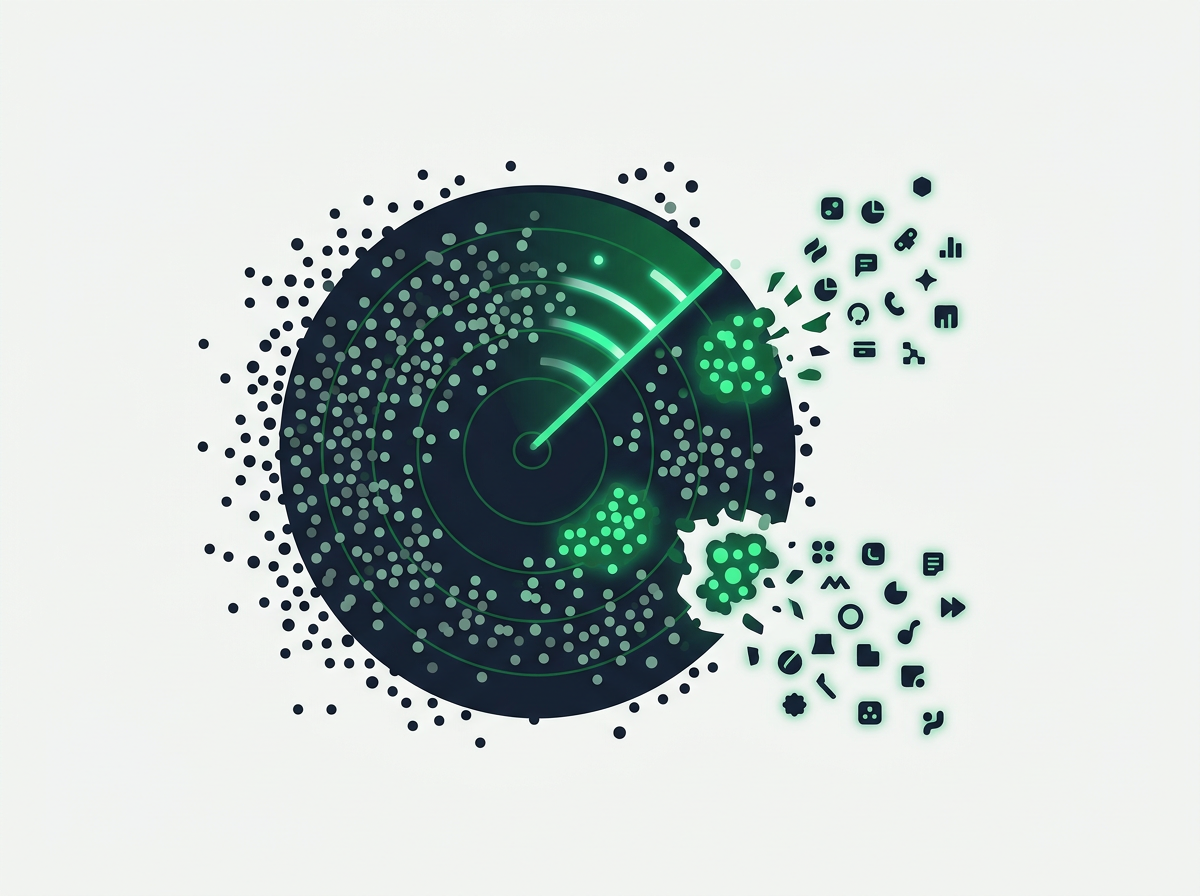
The foundation of successful paid acquisition lies in reaching the right people with the right message at the right time. AI excels at this fundamental task by processing enormous volumes of behavioral data to identify patterns that human analysts would never detect. These algorithms can assess thousands of data points per potential customer, including browsing history, engagement patterns, demographic information, and predictive indicators of buying intent.
Traditional audience targeting relies on broad demographic categories and educated guesses. AI-driven targeting operates at a granular level, creating micro-segments based on actual behavior rather than assumptions. For example, machine learning models can distinguish between someone casually browsing leadership coaching content and a serious prospect actively comparing service providers, allocating ad budget accordingly.
Building Ideal Client Profiles with Machine Learning
AI platforms analyze historical conversion data to construct detailed profiles of your highest-value clients. These systems identify commonalities among your best customers that might not be immediately obvious—such as specific content consumption patterns, time-of-day engagement preferences, or unique combinations of interests. Once identified, these characteristics become the foundation for lookalike audiences that share similar traits with your proven buyers.
According to research from McKinsey, companies that extensively use customer analytics and AI in marketing are 3.5 times more likely to outperform their competitors in revenue growth. This advantage becomes particularly pronounced in professional services, where client lifetime value is substantial and acquisition costs must be carefully managed. The precision offered by AI targeting reduces wasted impressions and improves overall campaign efficiency.
Dynamic Personalization Across the Customer Journey
Leverage AI to analyze vast datasets, identifying ideal client profiles and predicting conversion likelihood for more effective ad targeting. Advanced personalization engines can modify ad messaging, imagery, and offers in real-time based on individual user behavior and context. A visitor who previously engaged with content about executive coaching might see entirely different messaging than someone interested in financial consulting services, even though both are clicking the same initial ad.
Dynamically generate personalized ad variations and landing page content that resonates deeply with specific audience segments, boosting engagement and conversion rates. Modern AI systems can create hundreds of unique landing page experiences, each optimized for a particular audience segment. This level of personalization was previously impossible at scale but now represents a competitive necessity for coaches and consultants seeking to maximize conversion rates.
Automating High-Converting Ad Copy & Creative Generation
Creating compelling ad copy that converts requires understanding psychology, platform best practices, and audience preferences. AI writing tools have evolved dramatically, now capable of generating persuasive marketing copy that rivals human-written content. These systems learn from millions of successful ads, identifying patterns in language, structure, and emotional appeals that drive clicks and conversions.
Utilize AI writing tools to rapidly produce compelling headlines, ad body copy, and calls-to-action tailored for various platforms and audiences. Rather than spending hours crafting multiple ad variations, consultants can generate dozens of options in minutes, then test them against each other to identify top performers. This acceleration in content creation allows for more frequent testing and faster optimization cycles.
Platform-Specific Copy Optimization
Each advertising platform has unique requirements and audience expectations. LinkedIn users respond to different messaging than Facebook users, and Google Search ads require distinct approaches from display campaigns. AI copy tools understand these platform nuances and adjust tone, length, and structure accordingly. A professional, benefit-focused approach might work best for LinkedIn, while more conversational, story-driven copy performs better on Facebook.
Modern natural language generation systems can maintain brand voice consistency while adapting messaging for different contexts. For coaches and consultants, this means every ad reflects your unique positioning while still being optimized for the specific platform and audience segment. The technology learns from your existing content, identifying stylistic patterns and terminology that define your brand.
Visual Asset Creation and Optimization
Employ AI-powered design platforms to generate optimized visual assets and video scripts, ensuring your creatives stand out and drive clicks. Tools like Canva’s AI features and specialized platforms such as AdCreative.ai can produce multiple design variations based on performance data from millions of ads. These systems understand which color combinations, layouts, and visual hierarchies drive engagement for specific industries and audience types.
Video content presents particular challenges for coaches and consultants who may lack production resources. AI video generation tools can create professional-looking promotional videos from text scripts, complete with voiceovers, background music, and transitions. While these may not replace high-budget production for flagship content, they provide cost-effective options for ad creative testing and rapid campaign launches.
Smart Ad Spend Optimization & Bid Management
Budget allocation represents one of the most critical decisions in paid acquisition. Spend too much on underperforming campaigns, and ROI plummets. Fail to invest sufficiently in high-performers, and you leave revenue on the table. AI bid management systems solve this challenge by continuously monitoring performance and adjusting bids in real-time based on conversion probability.
Implement AI algorithms for real-time bid adjustments and budget allocation, ensuring your ad spend is optimized for the highest possible ROI. These systems operate 24/7, making thousands of micro-adjustments that collectively produce substantial improvements in cost-per-acquisition. During high-intent periods, when users are most likely to convert, AI can automatically increase bids to capture valuable traffic. Conversely, during low-intent periods, it scales back spending to preserve budget.
Predictive Budget Allocation
Advanced AI platforms don’t just react to current performance—they predict future outcomes. By analyzing historical patterns, seasonal trends, and market conditions, these systems forecast which campaigns and audience segments will deliver the best returns in coming days or weeks. This forward-looking approach enables strategic budget shifts before performance changes occur, maintaining consistent results even as market dynamics evolve.
Predict campaign performance and identify underperforming segments early, allowing for proactive adjustments to prevent wasted ad dollars. Early warning systems can flag campaigns that are trending toward inefficiency, triggering alerts before significant budget is consumed. For consultants managing limited marketing budgets, this proactive approach prevents costly mistakes and ensures capital is always deployed where it generates the strongest returns.
Multi-Platform Budget Optimization
Coaches and consultants typically advertise across multiple platforms—Google Ads, LinkedIn, Facebook, and others. Each platform has different cost structures, audience behaviors, and conversion patterns. AI optimization engines can manage budgets across these platforms simultaneously, shifting investment toward whichever channel is currently delivering the best performance. This cross-platform intelligence ensures total marketing spend is optimized rather than each platform being managed in isolation.
Research from Google indicates that advertisers using automated bidding strategies see an average 20% increase in conversions while maintaining similar cost-per-acquisition levels. For professional services where each client represents significant lifetime value, these efficiency gains translate directly to bottom-line growth.
Enhanced Analytics & Performance Monitoring with AI
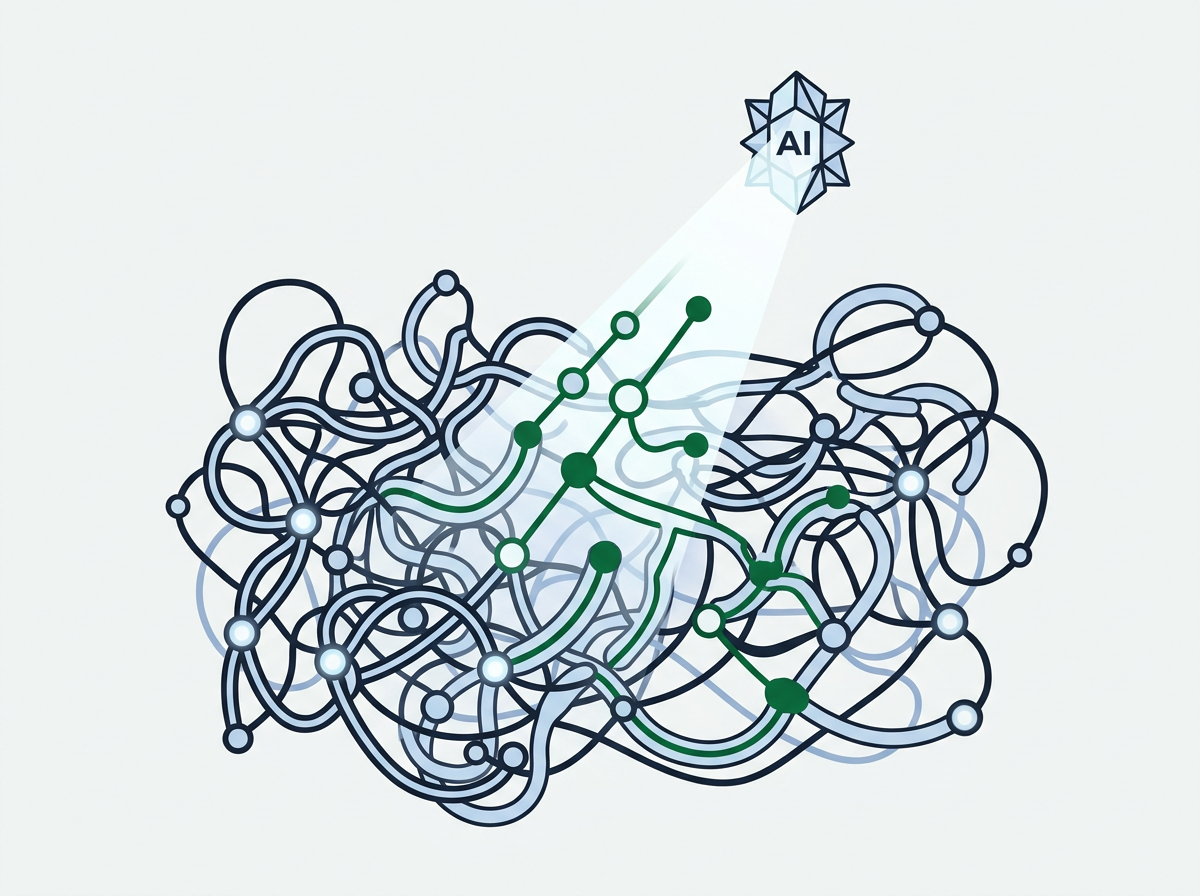
Data without insight is merely noise. Most advertising platforms generate overwhelming volumes of metrics, making it difficult to identify what actually matters. AI analytics platforms cut through this complexity, surfacing actionable insights that drive meaningful improvements. These systems recognize patterns humans might miss and present findings in clear, decision-ready formats.
Gain deeper insights into campaign performance with AI-powered dashboards that identify trends, anomalies, and opportunities for optimization. Rather than manually reviewing dozens of metrics across multiple campaigns, consultants can access synthesized intelligence that highlights exactly where attention is needed. AI can detect subtle performance shifts—a gradual decline in conversion rates, changing audience engagement patterns, or emerging opportunities in new market segments.
Anomaly Detection and Automated Alerts
Unexpected changes in campaign performance can indicate technical issues, market shifts, or competitive actions. AI monitoring systems establish baseline performance expectations and immediately flag deviations. If your cost-per-click suddenly spikes or conversion rates drop, you receive instant notifications along with preliminary diagnostics about potential causes. This rapid response capability minimizes damage from technical errors or competitive interference.
Automate reporting and receive proactive alerts on critical metrics, enabling coaches and consultants to make data-driven decisions swiftly. Instead of discovering problems during weekly review meetings, issues are identified and addressed in near real-time. This agility is particularly valuable in professional services marketing, where campaign momentum and lead quality directly impact revenue.
Attribution Modeling and Multi-Touch Analysis
The customer journey for coaching and consulting services is rarely linear. Prospects bounce between ads, content, emails, and website visits before they decide to buy. Traditional last-click attribution oversimplifies this mess and usually gives credit to the wrong touchpoint. AI-powered attribution models analyze the entire customer journey to figure out which interactions actually influence decisions and deserve your budget.
These advanced models can reveal that certain “assist” touchpoints, though they don’t directly generate conversions, play crucial roles in the conversion path. For instance, awareness-stage display ads might not generate immediate leads but substantially increase conversion rates when prospects later encounter retargeting campaigns. Understanding these dynamics through sophisticated paid acquisition strategies enables more intelligent budget distribution across the entire funnel.
Streamlining Lead Nurturing & CRM Integration
Capturing leads is only the beginning of the acquisition process. Converting those leads into paying clients requires systematic nurturing and timely follow-up. AI technologies can automate much of this process while maintaining personalization and relevance. The result is higher conversion rates and more efficient use of consultants’ time.
Integrate AI chatbots for instant lead qualification and initial engagement, ensuring warm leads are captured efficiently from your paid campaigns. Modern chatbot technology has advanced far beyond simple scripted responses. Conversational AI can conduct meaningful dialogues, answer specific questions about services, and determine whether a prospect represents a qualified opportunity—all while maintaining a natural, helpful tone.
Intelligent Lead Scoring and Prioritization
Not all leads have equal value. Some are ideal clients ready to sign today, while others are poor fits or months away from deciding. AI lead scoring systems evaluate engagement behavior, firmographic data, and responsiveness patterns to assign priority scores. This means consultants can focus their limited time on prospects most likely to convert, while lower-priority leads get automated nurturing until they’re actually ready to talk.
Automate personalized follow-up sequences and seamlessly transfer qualified leads to your CRM, optimizing the conversion funnel. Based on how leads engage with initial messages, AI can adjust subsequent communications to address demonstrated interests or concerns. A prospect who downloaded a pricing guide receives different follow-up than someone who watched a case study video, creating more relevant experiences that advance the sales conversation.
Behavioral Triggering and Dynamic Content
AI systems monitor lead behavior across channels, triggering appropriate responses based on specific actions. When a prospect visits your pricing page multiple times, the system might automatically schedule a personalized consultation offer. If someone downloads multiple resources about a particular service offering, follow-up communications can emphasize that specific solution. This behavioral responsiveness creates the impression of individualized attention at scale.
According to research from Salesforce, 84% of customers say being treated like a person, not a number, is crucial to winning their business. AI-powered personalization delivers this experience even when managing hundreds of leads simultaneously, ensuring each prospect receives relevant, timely communications that advance their decision-making process.
Competitive Analysis & Market Trend Insights
Understanding the competitive landscape is essential for differentiation and strategic positioning. AI-powered competitive intelligence tools provide visibility into competitor strategies that would be impossible to gather manually. These systems track ad spend, creative approaches, messaging themes, and performance indicators across the competitive set.
Use AI tools to monitor competitor ad strategies, spend, and creative approaches, uncovering opportunities to differentiate your paid acquisition efforts. Platforms like SEMrush, SpyFu, and specialized ad intelligence services reveal which keywords competitors are bidding on, what messaging they’re using, and how their strategies evolve over time. This intelligence informs your own strategy, helping you identify gaps in competitor offerings or oversaturated markets to avoid.
Opportunity Gap Analysis
AI analysis can identify market segments your competitors are neglecting—audiences with strong intent signals but limited competitive ad presence. These gaps represent opportunities for coaches and consultants to establish dominance before competition intensifies. Perhaps competitors focus heavily on enterprise clients while mid-market prospects remain underserved, or they emphasize certain service offerings while neglecting others that match your strengths.
Beyond identifying gaps, AI can predict when markets are becoming oversaturated. If competitive intensity and ad costs are rising faster than typical conversion rates justify, it may signal the need to pivot toward different audiences or channels. This forward-looking intelligence prevents costly commitments to deteriorating market conditions.
Emerging Trend Detection
Identify emerging market trends and audience shifts through AI analysis, allowing coaches and consultants to adapt campaigns proactively. Natural language processing can analyze social media conversations, search query patterns, and content consumption trends to spot rising topics before they become mainstream. For professional service providers, being early to address emerging client needs creates significant competitive advantages.
AI trend analysis might reveal growing interest in specific challenges your expertise addresses—perhaps increased searches for remote team management, digital transformation consulting, or crisis leadership coaching. Recognizing these shifts early allows you to adjust ad messaging, create relevant content, and position yourself as the solution before competitors recognize the opportunity. This proactive approach to paid acquisition for coaches and consultants ensures your marketing remains aligned with evolving market demand.
Implementing AI Tools: Practical Considerations for Coaches and Consultants
While AI offers tremendous potential, successful implementation requires thoughtful planning and realistic expectations. Technology alone doesn’t guarantee results—it must be deployed strategically within a broader marketing framework. Coaches and consultants should approach AI adoption as an evolution rather than a revolution, starting with high-impact use cases before expanding to more advanced applications.
Starting with Foundation Tools
Begin with AI capabilities already embedded in major advertising platforms. Google Ads Smart Bidding, Facebook Advantage+ campaigns, and LinkedIn’s automated targeting features provide powerful optimization without requiring separate tool subscriptions. These platform-native AI systems offer excellent starting points for consultants new to AI-powered marketing. They’re designed for ease of use and integrate seamlessly with existing campaign structures.
As comfort and expertise grow, layer in specialized tools that address specific needs. Perhaps you add an AI copywriting assistant to accelerate ad creation, or implement a chatbot to qualify inbound leads. This incremental approach prevents overwhelming complexity while steadily improving results. Each addition should solve a specific challenge or bottleneck in your current process.
Data Quality and Privacy Considerations
AI systems are only as good as the data they analyze. Ensure your tracking infrastructure accurately captures conversions, properly attributes results to marketing sources, and maintains data integrity. Poor data quality leads to flawed AI recommendations and suboptimal campaign performance. Regular audits of tracking implementations prevent degradation over time as website changes, platform updates, and evolving privacy regulations affect data collection.
Privacy regulations like GDPR and CCPA affect how AI systems can use customer data. Ensure your AI implementations respect privacy requirements and maintain compliance. Most reputable AI marketing platforms include privacy safeguards, but ultimate responsibility rests with the business owner. Transparency about data usage and providing clear opt-out mechanisms aren’t just legal requirements—they build trust with prospects and clients.
Balancing Automation with Human Expertise
AI excels at optimization, pattern recognition, and execution at scale. Humans excel at strategy, creativity, and understanding nuanced client needs. The most effective approaches combine both strengths. Let AI handle bid management, audience segmentation, and performance monitoring while human strategists define positioning, develop creative concepts, and make high-level strategic decisions.
Be Known, LLC specializes in this balanced approach, combining AI efficiency with expert human strategy to deliver superior results for coaches and consultants nationwide. Our team configures AI tools to support your unique business goals while providing the strategic oversight that ensures technology serves your objectives rather than dictating them. This partnership model leverages the best of both human and artificial intelligence.
Measuring AI Impact on Paid Acquisition Performance
Implementing AI tools requires investment—both financial and in terms of learning time. Measuring the return on this investment ensures resources are well-deployed and identifies opportunities for further optimization. Establish clear baselines before implementing AI capabilities, then track specific metrics that indicate performance improvements.
Key Performance Indicators to Monitor
Focus on metrics that directly relate to business outcomes rather than vanity metrics. Cost per qualified lead, customer acquisition cost, conversion rate improvements, and overall marketing ROI provide clear pictures of AI impact. Compare these metrics before and after AI implementation, accounting for seasonality and market conditions that might otherwise skew results. Statistical significance matters—small sample sizes can produce misleading conclusions.
Beyond direct performance metrics, measure operational efficiency gains. How much time are you saving on campaign management, reporting, and optimization tasks? For consultants, time savings translate directly to capacity for client work or business development. If AI tools free up five hours per week previously spent on manual bid adjustments and reporting, that represents significant value even before accounting for performance improvements.
Attribution and Incrementality Testing
Determine whether AI tools are genuinely driving incremental results or simply taking credit for outcomes that would have occurred anyway. Incrementality testing, running controlled experiments with and without AI capabilities, provides definitive answers about actual impact. This rigor ensures you’re investing in tools that genuinely improve results rather than just redistributing credit for existing performance.
For coaches and consultants managing multiple campaigns across various platforms, establish clear testing frameworks that isolate AI impact. Perhaps you implement AI bidding on half your campaigns while maintaining manual management on the other half, comparing results after a sufficient testing period. These controlled comparisons provide reliable data about what’s actually working and what represents marketing technology hype.
The Future of AI in Paid Acquisition for Professional Services
AI capabilities in marketing continue evolving rapidly. Understanding emerging trends helps coaches and consultants prepare for coming changes and identify early-adoption opportunities. While some predictions about AI prove overblown, the fundamental trajectory toward more intelligent, automated marketing seems certain to continue.
Predictive Lead Quality and Lifetime Value
Future AI systems will predict not just conversion likelihood but also long-term client value. These models will analyze subtle signals that indicate which prospects are likely to become ideal clients—those who engage deeply with services, refer others, and maintain long-term relationships. This intelligence enables more sophisticated budget allocation, investing more aggressively to acquire high-predicted-value clients while managing costs for lower-value segments.
For consultants, this capability addresses a fundamental challenge: not all clients are equally profitable or satisfying to serve. AI that helps attract more ideal clients while filtering out poor fits before significant time investment occurs represents tremendous value. Early versions of this technology already exist, but expect substantial refinement and accuracy improvements in coming years.
Conversational AI and Voice-Based Interactions
Voice search and smart speaker usage continue growing, requiring adaptations in how professional services market themselves. AI systems will increasingly optimize for conversational queries rather than traditional keyword searches. “Find me a leadership coach in Seattle” differs substantially from typed searches, requiring different optimization approaches. Coaches and consultants who adapt early to these behavioral shifts will capture emerging opportunities.
Beyond search, conversational AI will enable more sophisticated prospect interactions. Imagine AI assistants that can conduct initial consultations, assess fit, and schedule appropriate next steps—all through natural voice or text conversations indistinguishable from human interactions. While fully replacing human consultants seems unlikely, these technologies will handle qualification and initial education, ensuring consultants’ time focuses on high-value activities.
Enhanced Creative Capabilities
AI creative generation continues improving rapidly. Current tools produce serviceable but often generic-looking ads and content. Next-generation systems will create genuinely compelling, brand-distinctive creative that rivals human designers and copywriters. For coaches and consultants, this democratizes access to high-quality creative assets, enabling sophisticated campaigns regardless of budget constraints.
However, the proliferation of AI-generated content will paradoxically increase the value of authentic, genuinely human creative work. As AI content becomes ubiquitous, truly distinctive creative that reflects unique perspectives and experiences will stand out more. The most effective strategies will likely combine AI efficiency for testing and iteration with human creativity for flagship campaigns and brand-building initiatives.
Common Pitfalls to Avoid When Implementing AI for Paid Acquisition
Despite AI’s tremendous potential, implementation challenges can undermine results. Understanding common pitfalls helps coaches and consultants avoid costly mistakes and accelerate time to value from AI investments.
Over-Reliance on Automation Without Strategy
The most sophisticated AI tools can’t compensate for weak strategic foundations. Before implementing AI optimization, ensure your fundamental positioning, offer clarity, and value proposition are sound. AI will optimize whatever you give it—if your core messaging is ineffective, AI will simply deliver that ineffective message more efficiently. Strategic clarity must precede technological implementation.
Similarly, avoid the temptation to “set and forget” AI-powered campaigns. While automation reduces management burden, periodic human review ensures campaigns remain aligned with business objectives and market realities. AI optimizes for the metrics you specify, which may not perfectly align with true business goals. Regular strategic oversight catches these misalignments before they become costly.
Insufficient Learning Periods and Premature Optimization
AI systems require time and data to learn effective patterns. Making frequent manual adjustments or shutting down campaigns prematurely prevents algorithms from reaching their full potential. Most AI platforms need at least several weeks of learning time before delivering optimal results. Impatience during this learning period represents a common failure point, causing consultants to abandon AI tools before they’ve had fair opportunity to demonstrate value.
Establish realistic expectations about learning timelines and commit to sufficient testing periods. While some improvements may appear quickly, fully optimized performance typically requires sustained operation. This patience proves particularly important when developing effective paid acquisition strategies in competitive professional services markets.
Neglecting Creative Refresh and Ad Fatigue
Even the most sophisticated AI optimization can’t overcome creative fatigue. When audiences see the same ads repeatedly, engagement declines regardless of targeting precision. AI can identify when creative is fatiguing, but humans must produce fresh alternatives. Build creative refresh into your regular workflow, ensuring AI systems have new material to test and optimize. This ongoing creative development separates consistently successful campaigns from those that peak and decline.
Keep reading: see all of our client acquisition guides, or talk with us about your own setup.
FAQs
What’s the biggest benefit of AI for paid acquisition for coaches and consultants?
The primary benefit is significantly improved ROI through precision targeting and optimization. AI analyzes vast data to identify ideal clients, craft personalized ad copy, and manage bids in real-time, ensuring every dollar spent on paid ads generates maximum impact and higher conversion rates for your coaching or consulting business.
Are AI tools expensive for small coaching and consulting businesses?
Many powerful AI tools offer free tiers or affordable subscription models, making them accessible even for small businesses. The investment often pays for itself quickly through increased efficiency, reduced ad spend waste, and higher conversion rates, proving cost-effective for coaches and consultants seeking growth.
How does AI help personalize ads for consultants?
AI excels at personalizing ads by analyzing audience data to understand individual preferences and behaviors. It then dynamically generates ad copy, visuals, and offers that resonate with specific segments. This hyper-personalization significantly increases engagement and conversion rates for consultants’ paid acquisition campaigns, making ads feel more relevant.
Can AI replace human ad managers for coaches and consultants?
AI enhances, rather than replaces, human ad managers. While AI automates data analysis, optimization, and content generation, human strategists provide the crucial creative insight, strategic oversight, and nuanced understanding of client goals. Be Known, LLC combines AI efficiency with expert human strategy for optimal results.
Ready to transform your paid acquisition results with AI-powered strategies? Be Known, LLC brings together cutting-edge technology and expert strategic guidance to help coaches and consultants across the United States achieve breakthrough marketing performance. Our team specializes in implementing AI tools that deliver measurable improvements in cost-per-acquisition, conversion rates, and overall marketing ROI. Whether you’re just beginning to explore AI capabilities or looking to optimize existing implementations, we provide the expertise and support you need to succeed. Start your journey toward smarter, more effective paid acquisition today and discover how AI can supercharge your coaching or consulting business growth.
Sources & references