
Choosing the Right AI Lead Magnet Format for Coaching and Consulting Offers
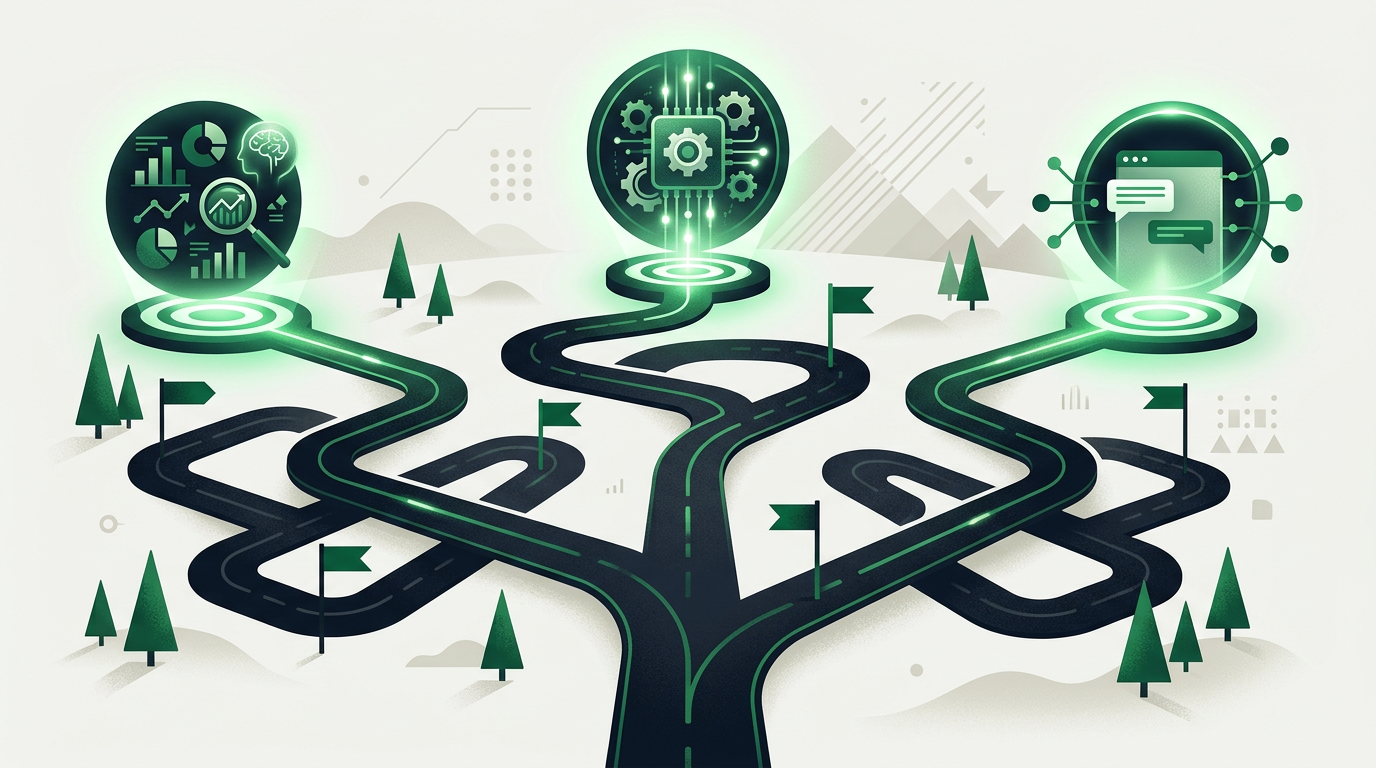
Interactive AI lead magnet formats like assessments and calculators convert at 30–50% for coaches and consultants. That’s about 2–3× higher than static PDFs. They work because they give personalized, diagnostic results that qualify leads for high-ticket strategy calls. When you run them through paid acquisition for coaches and consultants, niche formats like readiness checklists generate 150–300 new emails monthly and convert 8–12% of leads into paying clients.
Why AI Lead Magnet Format Matters in 2026
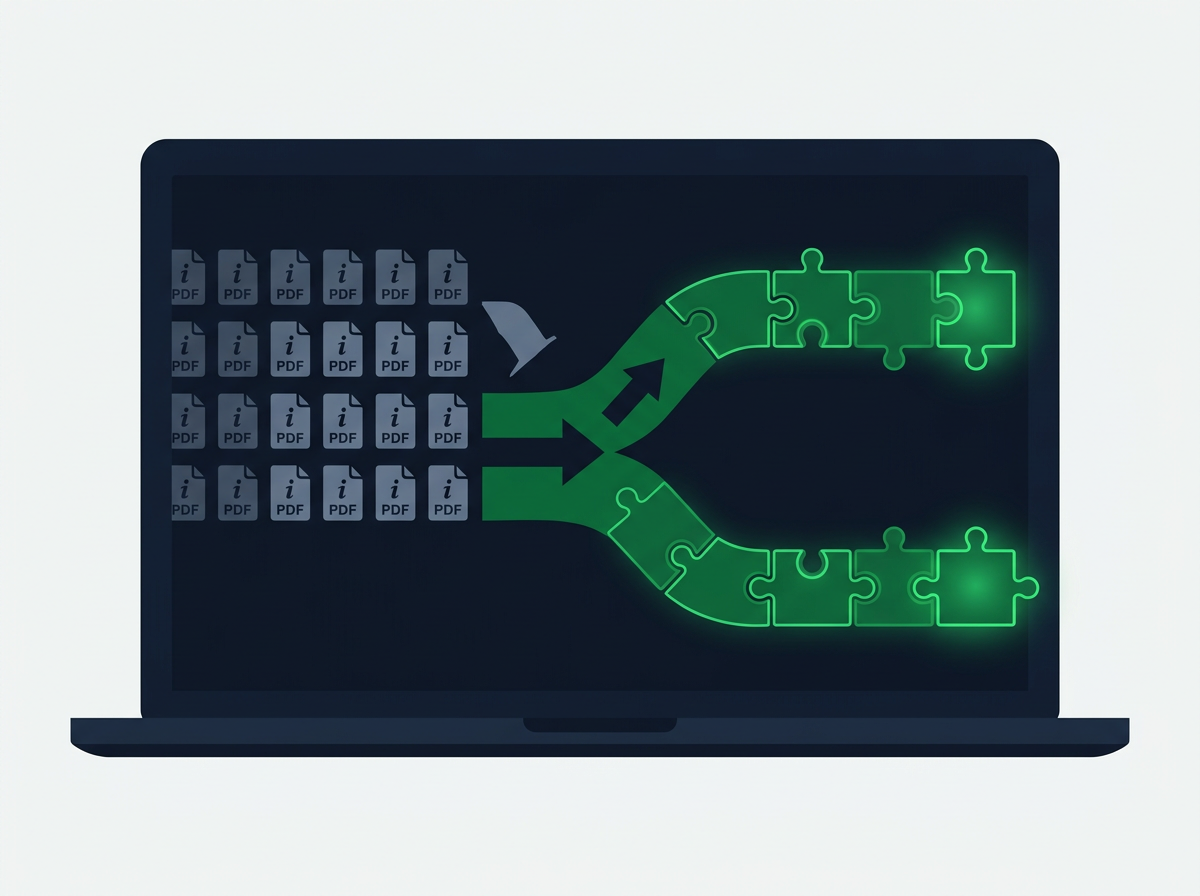
Generic AI-generated PDFs flooded inboxes throughout 2025. This created a trust deficit that persists into 2026. Prospects now scrutinize whether a lead magnet will give genuine value or just rehashed ChatGPT output with a branded header.
For coaches and consultants, format choice directly impacts paid acquisition ROI. Interactive, diagnostic formats like quizzes and calculators convert 2–3× better than static downloads because they give personalized results. These formats don’t just capture emails. They pre-qualify leads by showing where prospects sit on the readiness spectrum.
Be Known, LLC, headquartered in Knoxville, TN, serves coaches and consultants across the United States with paid acquisition for coaches and consultants strategies. Our team has seen that the AI lead magnet format determines whether a paid campaign builds a list of tire-kickers or attracts prospects ready to invest within 30 days.
The Trust Problem with Generic AI Content
Prospects in 2026 recognize AI-generated filler instantly. A Wise Owl Marketing analysis found that consultants using generic PDFs saw opt-in rates plateau at 15–20%. Those who shifted to niche, interactive formats jumped to 30–50%. The difference? Depth and personalization signal expertise. Generic listicles signal automation.
Coaches report that sophisticated buyers now test lead magnets before booking calls. They download the asset, evaluate the insights, and gauge whether the creator understands their pain points. A robotic PDF fails that test. A diagnostic quiz that gives a custom readiness score passes with flying colors.
This trust gap has made format selection a competitive advantage. Consultants who choose AI lead magnet formats that emphasize interactivity stand out in crowded feeds and attract higher-quality leads.
How Paid Ads Amplify Format Strengths
Paid acquisition campaigns magnify every strength and weakness in your lead magnet. A static PDF might convert at 18% organically but drop to 12% when cold Facebook traffic hits it. An AI-powered assessment designed for paid traffic can hold 35–45% opt-in rates because it matches the expectation set by the ad.
Google and Facebook ad platforms reward relevance. When your AI lead magnet format aligns tightly with ad copy like “Take the 3-Minute AI Readiness Quiz,” click-through rates rise and cost-per-click falls. According to Content Fudge research, coaches who test multiple AI lead magnet formats see 20–30% lower cost-per-lead compared to those who run the same static offer indefinitely.
The best-performing paid campaigns pair a scroll-stopping ad with an AI lead magnet format that gives instant gratification. Prospects click, answer 5–8 questions, and receive a personalized PDF report within seconds. That immediate payoff reduces drop-off and primes leads for the next step.
Top AI Lead Magnet Formats for Coaches
Not all AI lead magnet formats perform equally. Based on conversion data from coaching and consulting funnels nationwide, five formats consistently outperform traditional downloads when promoted through paid acquisition campaigns.
AI-powered assessments and quizzes lead the pack with 30–50% average opt-in rates. These interactive tools ask prospects to self-diagnose their current situation by scoring readiness, identifying gaps, or ranking priorities. The output is a personalized report that naturally segments leads by stage and intent.
Interactive calculators give immediate, tangible results like ROI projections or time-to-goal estimates. Consultants using calculators report 2–3× higher booking rates compared to static case-study PDFs because the calculator output becomes the talking point for the strategy call.
Mini-courses and 5-day email sequences create multiple touchpoints instead of one-and-done downloads. A Joyful Business Revolution study found that coaches offering 5-day challenges converted 2–3× more leads into paid consultations than those offering single PDFs.
On-demand workshops and micro-trainings work well for high-ticket coaching programs. These formats allow prospects to experience your methodology before committing to a discovery call. When promoted through paid ads, workshops attract prospects willing to invest time, which correlates strongly with willingness to invest money.
AI Readiness Checklists: 25–40% Opt-Ins
Checklists remain one of the fastest AI lead magnet formats to build and test. An “AI Readiness Checklist for [Niche]” can be drafted in ChatGPT, refined with client examples, and designed in Canva within 2 days. When tightly aligned with ad copy and landing page messaging, checklists convert at 25–40% in paid campaigns.
The key is specificity. A generic “10-Point Business Checklist” underperforms. But “7-Day AI Implementation Checklist for E-Commerce Brands Scaling Past $500K” speaks directly to a defined avatar. Coaches using niche checklists report that leads arrive on strategy calls already familiar with the framework.
AI-enhanced checklists add interactivity by inviting prospects to score themselves or check off items. Then they receive a follow-up email with resources based on their completion rate. This light personalization lifts engagement without requiring complex quiz-builder tools.
Custom GPTs and Chatbots: When to Use Them
Custom GPTs and AI chatbots represent the frontier of AI lead magnet formats, but they come with audience readiness caveats. A custom GPT gives 24/7 personalized coaching, answering niche questions and providing tailored advice. However, it requires prospects to have ChatGPT Plus or access to the GPT directory.
For paid acquisition campaigns targeting a broad coaching or consulting audience, start with AI-enhanced quizzes or calculators that don’t require external tools. Test simpler formats first, validate demand, and then invest in custom GPTs once you’ve proven that your audience is tech-savvy.
Chatbots embedded directly on landing pages offer a middle ground. Tools like ManyChat, Drift, or Intercom let you deploy conversational AI that qualifies leads in real time, books calls automatically, and segments prospects by answer patterns.
Matching Format to Paid Acquisition Goal
Your AI lead magnet format should align with your campaign goal, not just your content inventory. Coaches running paid acquisition campaigns typically pursue one of three objectives: list growth, booked strategy calls, or lead qualification.
For list growth, AI-enhanced checklists and content upgrades convert at 30–34% when tightly matched to blog topics or ad themes. These formats are fast to consume and appeal to awareness-stage prospects who aren’t ready to book a call but want to stay in your orbit. The trade-off is lower immediate revenue.
For booked calls, diagnostic assessments and gap-analysis tools naturally lead into strategy sessions. When a prospect receives a personalized score like “Your AI Readiness: 4 out of 10,” they instinctively want to know how to improve. The call-to-action shifts from “Download Now” to “Book a Strategy Call to Close Your Gaps.”
For lead qualification, AI calculators and readiness scores filter prospects who are problem-aware and ready to act within 30 days. Be Known’s paid acquisition strategies for coaches nationwide use these diagnostic formats to reduce wasted sales time.
Designing for Level 5 Buyers vs. Awareness Stage
Not every lead magnet should appeal to everyone. Level 5 buyers understand their problem and are comparing solutions. They respond best to formats that show expertise and give a preview of your methodology. Think audits, diagnostic tools, or mini-workshops that require 10–15 minutes of engagement.
Awareness-stage leads need education before evaluation. For this audience, use lighter formats like checklists or 3-minute quizzes that don’t demand deep time investment. The goal is to enter their world, give one useful insight, and earn permission to nurture over weeks or months.
Most coaches make the mistake of trying to serve both audiences with one lead magnet. Paid acquisition campaigns perform better when you segment by stage. Run one ad set promoting a fast checklist for cold audiences and another promoting a diagnostic assessment for warm, retargeted visitors.
Testing Formats in Paid Campaigns
A/B testing is required when choosing the right AI lead magnet format for paid traffic. Start with two or three formats, like a checklist, a quiz, and a mini-course. Run them at the same time in separate ad sets with identical budgets. Track opt-in rate, cost-per-lead, and lead-to-call conversion over 7–14 days.
Coaches often find that the format they assumed would win underperforms. A beautifully designed PDF might lose to a scrappy Typeform quiz because prospects value interaction over polish. Let the data dictate which format scales.
Once you identify a winning format, test variations. Change the title, adjust the number of questions, or tweak the scoring rubric. Small optimizations can lift conversion rates by 10–20%. Be Known’s paid acquisition team helps coaches and consultants nationwide test AI lead magnet formats, ensuring that ad spend flows toward formats with proven ROI.
Niche Formats Boost Paid Campaign ROI
Generic AI lead magnets like “Free AI Guide for Coaches” are invisible in 2026. Niche AI lead magnets like “AI Readiness Checklist for E-Commerce Brands Scaling Past $500K” convert 3–5× better because they speak to a specific pain point and context. According to Sarah Moon’s analysis of consultant lead magnets, specificity reduces ad cost-per-lead by improving relevance scores and click-through rates across Google and Facebook platforms.
Niche AI lead magnets also attract higher-quality leads. When your quiz is titled “5-Minute AI Readiness Assessment for SaaS Founders in Competitive Markets,” SaaS founders click because they see themselves in the offer. Generic titles attract curiosity. Niche titles attract commitment.
Framework-based AI tools amplify this effect. If your methodology has a proprietary name like “The 7-Pillar AI Growth Framework,” embedding that language into your lead magnet format showcases intellectual property and differentiates you from competitors offering generic checklists.
Building a Niche AI Assessment in Under 2 Days
A niche AI assessment can be drafted, designed, and deployed in under 48 hours. First, identify your ideal client’s top three pain points or decisions. Second, draft 5–8 multiple-choice questions that help prospects self-diagnose where they stand on each dimension.
Use ChatGPT or Claude to generate question variations, then refine for your voice and client language. Export the questions into a quiz builder like Typeform, Interact, or Google Forms. Design a simple scoring rubric of 0–3 points per answer and create three outcome buckets: “Just Starting,” “In Progress,” and “Ready to Scale.”
Write a one-page results PDF for each bucket, personalized with next steps and a clear call-to-action to book a strategy call. Connect your quiz tool to your email platform so leads receive their results instantly and enter a follow-up sequence. Launch a small-budget ad campaign to test response, then iterate based on completion rate and lead quality.
Using Paid Ads to Test Niche Positioning
Paid ads reveal whether your niche positioning resonates before you invest in long-term content or course creation. Run two ad sets: one promoting “AI Lead Magnet for Coaches” and another promoting “AI Client Acquisition Quiz for Executive Coaches Serving Fortune 500.” Monitor click-through rate, opt-in rate, and cost-per-lead over one week.
In most cases, the niche ad will underperform on raw reach but outperform on quality. Fewer people click, but those who do convert at higher rates and book more calls. This trade-off is favorable for high-ticket coaching and consulting offers where one qualified lead is worth 10 unqualified ones.
If the niche ad fails to generate sufficient volume, widen the aperture slightly. Shift from “Fortune 500” to “Enterprise Clients” or from “E-Commerce” to “Online Retail.” The goal is to find the narrowest positioning that still gives 50–100 opt-ins per month.
Avoiding AI Spam Through Format Choice
In 2026, consultants report that robotic, AI-churned PDFs are being ignored by sophisticated buyers. A generic “10 AI Tips” document downloaded in three clicks and skimmed in 60 seconds signals low effort, not expertise. High-performing AI lead magnets emphasize depth: self-assessments, diagnostic reports, and personalized roadmaps that require thought to complete.
The antidote to “AI-spammy” formats is human curation. Use AI to speed up outlining, question generation, and first drafts, but refine every output with real client stories, specific examples, and your proprietary language. Prospects can sense when a lead magnet was built in 20 minutes versus refined over a week.
Test AI formats with your best clients before scaling through paid acquisition. Send your quiz or assessment to five current or past clients and ask: “Would you have opted in if you saw this ad? Does the output feel personalized?” Their feedback will expose robotic phrasing or generic recommendations that undermine trust.
When Your Audience Is Tech Intimidated
Not every coaching or consulting audience is ready for custom GPTs or multi-step chatbots. If your ideal clients are small-business owners, traditional executives, or service providers who value simplicity, default to AI-enhanced but familiar formats: checklists, short PDFs, or email sequences.
You can still add AI personalization without requiring tech adoption. For example, a simple Typeform quiz can tag leads based on their answers, triggering different email sequences in your CRM. The prospect experiences personalization without learning a new platform.
Be Known’s paid acquisition team, serving coaches and consultants from our Knoxville, TN headquarters, regularly advises clients to start with low-tech, high-value formats and layer in automation as their audience becomes more sophisticated. The goal is to meet prospects where they are.
Balancing Automation with Personal Touch
The best AI lead magnet formats blend automation with humanity. Automate the delivery by sending instant PDF reports and auto-scheduled follow-up emails. But personalize the content. Include a 30-second Loom video in the results email. Write a short note: “I noticed you scored low on readiness. Here’s what I’d focus on first.”
Coaches who add this personal layer report 30–50% higher response rates to follow-up emails and 2× more booked calls. Prospects appreciate the efficiency of automation but crave the reassurance that a real human reviewed their answers.
Don’t over-automate the sales conversation itself. An AI chatbot can qualify leads and book calls, but don’t try to replace the strategy session with a bot. High-ticket coaching and consulting sales require human connection and trust-building that no AI format can yet replicate.
Conversion Benchmarks by Format
Understanding realistic benchmarks prevents false expectations and wasted ad spend. Based on data from coaching and consulting funnels across the United States, here are 2026 performance benchmarks by AI lead magnet format.
AI quizzes and assessments convert at 30–50% opt-in rates when promoted through paid ads and tightly matched to the niche. Interactive calculators that give personalized ROI or readiness scores hold 35–45% opt-in rates and convert 2–3× better to booked calls than static downloads.
AI-enhanced checklists convert at 25–40% and are the fastest to build and test. Mini-courses and 5-day email challenges convert at 20–30% opt-in rates but produce 2–3× higher lead-to-client conversion because they create multiple trust-building touchpoints.
Custom GPTs and chatbots show 15–25% opt-in rates in 2026 due to platform barriers, but early adopters report that qualified leads from these formats book calls at 20–30% rates because self-selection is so strong.
Expected Volume with Consistent Ad Spend
For consultants running paid acquisition campaigns, expect 30–50% opt-in rates from AI quizzes and assessments. With consistent ad spend, you should generate 150–300 new emails per month. Lead-to-client conversion should hit 8–12% when the lead magnet ties directly into a strategy call.
Mini-courses and on-demand workshops convert 2–3× higher to paid consultations compared to single-download formats because they create multiple trust-building touchpoints. Static PDFs and ebooks now convert at 15–25% opt-in rates, about half the performance of interactive formats.
Coaches should track cost-per-lead, not just opt-in rate. A quiz that converts at 40% but costs $8 per lead can outperform a PDF that converts at 25% but costs $3 per lead if the quiz attracts better-qualified prospects who book calls at higher rates.
Lead-to-Call and Call-to-Client Metrics
The AI lead magnet format you choose directly impacts lead-to-call conversion. Diagnostic assessments and calculators that give personalized scores convert 15–25% of leads into booked strategy calls because the format naturally creates a gap that the call will close.
Static PDFs and generic checklists convert only 5–10% of leads into booked calls because there’s no built-in reason to continue the conversation. The lead gets value and moves on. Interactive formats create momentum by giving partial answers and inviting the prospect to “unlock the full roadmap” on a call.
Call-to-client conversion depends more on your sales process than your lead magnet format. But coaches report that leads from interactive AI formats arrive better qualified, with higher intent, and close at 20–35% rates compared to 10–20% for leads from static downloads.
Launching and Scaling with Paid Ads
Launching an AI lead magnet format through paid acquisition requires a test-and-scale approach. Start with a small daily budget of $20–50 across Facebook and Google ads. Run two or three lead magnet formats at the same time in separate ad sets. Track opt-in rate, cost-per-lead, and lead-to-call conversion for 7–14 days.
Once you identify a winning format, pause underperforming ads and scale the winner by 20–30% per week. Monitor quality as you scale. If opt-in rates hold but lead quality drops, tighten your targeting or add qualification questions to your quiz or assessment.
Use retargeting ads to promote deeper formats. Show a simple checklist to cold traffic, then retarget those who opted in with an ad for a mini-course or workshop. This two-step approach lowers initial acquisition cost while still moving prospects toward a booked call.
Connecting Your Lead Magnet to CRM and Booking
Your AI lead magnet format should connect directly to your CRM and booking system. When a prospect completes a quiz or downloads a checklist, they should be tagged by score, answer pattern, or interest area. This lets you send personalized follow-up sequences instead of generic nurture emails.
Use tools like Zapier or native integrations to connect Typeform, Interact, or Google Forms to ConvertKit, ActiveCampaign, or HubSpot. Set up automation rules so high-scoring leads get an immediate email with a booking link, while low-scoring leads enter a longer nurture sequence.
Be Known’s paid acquisition strategies for coaches and consultants across the United States always include CRM integration from day one. This ensures that every dollar spent on ads feeds a system that nurtures, qualifies, and converts leads into booked calls and paying clients.
Iterating Based on Lead Quality, Not Just Volume
Volume is not the goal. Quality is. A lead magnet that generates 500 opt-ins per month but books zero calls is a failure. A lead magnet that generates 100 opt-ins and books 20 calls is a success. Track the full funnel: opt-in rate, lead-to-call rate, call-to-client rate, and client lifetime value.
Iterate based on lead quality. If your quiz attracts lots of opt-ins but few bookings, add a disqualifying question or raise the perceived value of the call. If your checklist attracts the right people but they don’t engage, test a mini-course or workshop format that builds more trust before asking for a call.
Paid acquisition is a feedback loop. Your AI lead magnet format is a hypothesis. Test it, measure it, and improve it. The coaches and consultants who win with paid ads in 2026 are those who treat every campaign as an experiment and every lead magnet as a prototype.
Frequently Asked Questions
Which AI lead magnet format converts best for coaches in 2026?
AI-powered assessments and quizzes are the top performers in 2026, with opt-in rates of 30–50%. That’s much higher than static PDFs at 15–25%. Interactive calculators that provide personalized ROI or readiness scores convert 2–3× better because they give instant, diagnostic value and naturally pre-qualify leads for high-ticket coaching strategy calls when promoted through paid acquisition campaigns.
Should consultants use custom GPTs or traditional lead magnets in paid ads?
Custom GPTs work well for tech-savvy audiences and can give 24/7 personalized results, but they require users to have tools like ChatGPT Plus. For paid acquisition campaigns targeting a broader coaching or consulting audience, start with AI-enhanced quizzes or calculators that don’t require external tools. Test simpler formats first, then invest in custom GPTs once you validate demand and audience readiness.
How do niche AI lead magnets improve paid acquisition performance?
Niche AI lead magnets like “AI Readiness Checklist for E-Commerce Brands” convert 3–5× better than generic offers because they speak directly to a specific pain point and context. In paid campaigns, this specificity improves ad relevance scores, lowers cost-per-lead, and attracts prospects who are problem-aware and ready to book a strategy call within 30 days.
What’s the fastest AI lead magnet format to launch and test with ads?
AI-enhanced checklists and short assessments are the fastest to launch, often built in under 2 days using tools like Typeform, Interact, or Google Forms with light AI personalization. These formats are easy to A/B test in Google and Facebook ad campaigns and convert at 25–40% opt-in rates when tightly matched to your coaching or consulting niche.
How can coaches avoid the AI-spammy trap with lead magnets?
Avoid generic, robotic AI-generated PDFs that have created a trust deficit in 2026. Instead, design AI lead magnets that emphasize depth and expertise like self-assessments, framework-based diagnostic tools, or personalized roadmaps that showcase your proprietary methodology. Test with your best clients before scaling via paid acquisition, and always prioritize personalized outputs.
What conversion benchmarks should consultants expect from AI lead magnet formats?
For consultants running paid acquisition campaigns, expect 30–50% opt-in rates from AI quizzes and assessments, 150–300 new emails per month with consistent ad spend, and 8–12% lead-to-client conversion when the lead magnet ties directly into a strategy call. Mini-courses and on-demand workshops convert 2–3× higher to paid consultations compared to single-download formats.
What is an AI lead magnet?
An AI lead magnet is a free, value-packed asset like an interactive chatbot, quiz, checklist, or template that’s powered or sped up by AI and captures contact information. Coaches and consultants use it to start conversations, segment leads, and nurture prospects into discovery calls or paid programs.
References & Further Reading
- Wise Owl Marketing analysis of lead magnet ideas for coaches wiseowlmarketing.com
- Content Fudge research on AI lead magnet performance contentfudge.com
- Joyful Business Revolution lead magnet study for coaches joyfulbusinessrevolution.com
- Sarah Moon analysis of consultant lead magnets sarahmoon.net